Gustav Klimt
Symbolism (arts) Art nouveau Secessão de VienaBiografia
Gustav Klimt was an Austrian symbolist painter, whose primary subject was the female body. His paintings, murals, and sketches are marked by a sensual eroticism, which is especially apparent in his pencil drawings. Klimt attended the Vienna University of Arts and Crafts in 1876, and formed the “Company of Artists” with his two brothers and a friend, after which he was awarded the Golden Order of Merit from the Emperor of Vienna. In 1892, his father and one of his brothers died, leaving him responsible for their families. The family tragedy also affected his artistic vision, which helped him develop his own personal style. Throughout his life, although he was a controversial painter due to his subject matter, he was made an honorary member of the Universities of Vienna and of Munich. He was also a founding member and president of the Vienna Secession, which sought to create a platform for new and unconventional artists, bring new artists to Vienna, and created a magazine to showcase its member’ work. Klimt lived a simple, cloistered life, in which he avoided other artists and café society. He often wore a long robe, sandals, and no undergarments. He also had many discreet affairs with women, and fathered at least 14 children. This may be an indication of his passion for women, their form and sexuality, which was the main focus of many of his works. The majority of his paintings were characterized by golden or colored swirling designs, spirals, and phallic shapes, depicting dominant women in erotic positions. Klimt died in the influenza epidemic of 1918, leaving behind a posthumous legacy that few artists can rival. His paintings have brought in the highest amounts ever paid at auction.
Obras no acervo
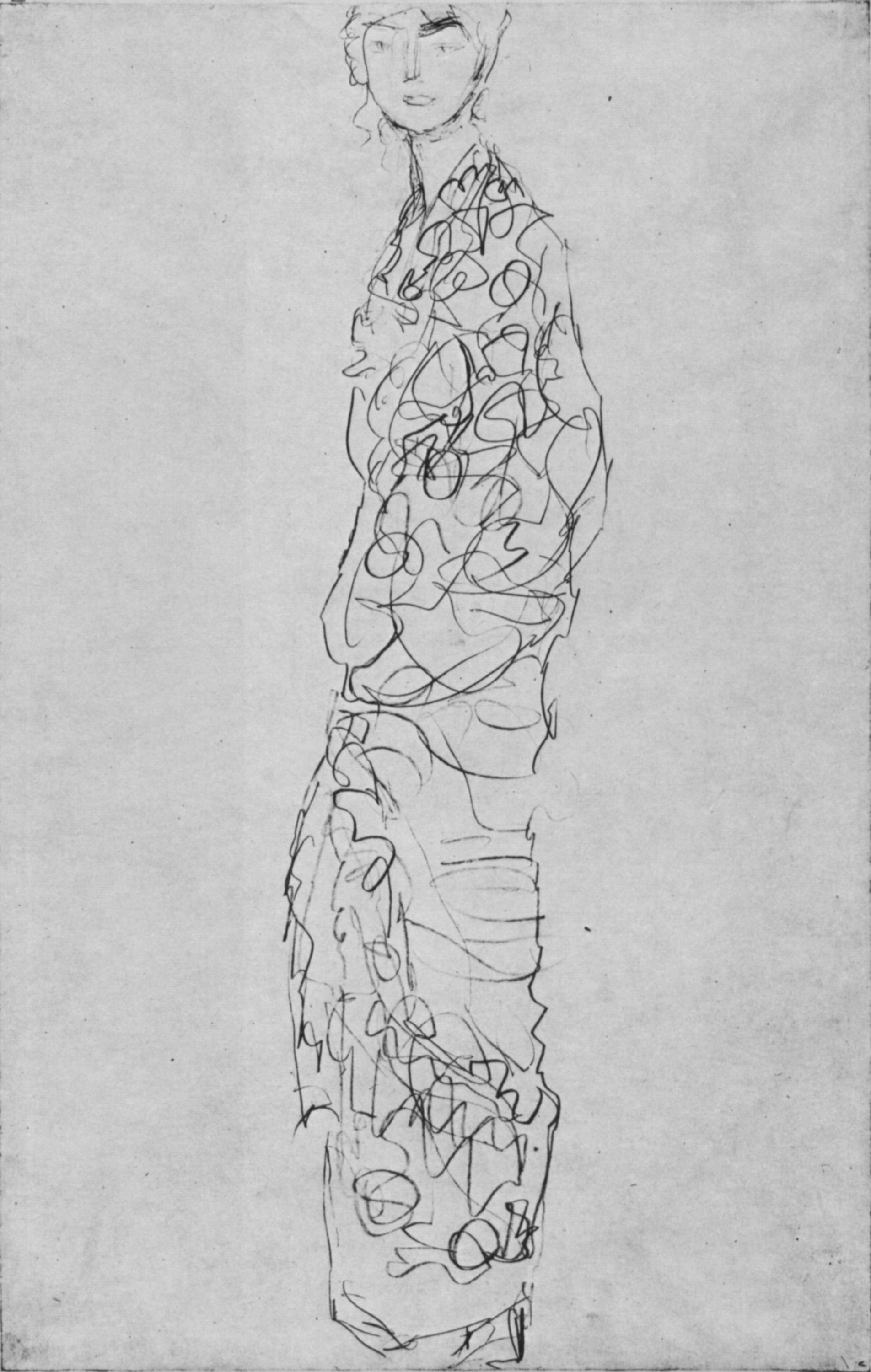 Standing Woman in Kimono (Dame im Kimono)
1917
Standing Woman in Kimono (Dame im Kimono)
1917
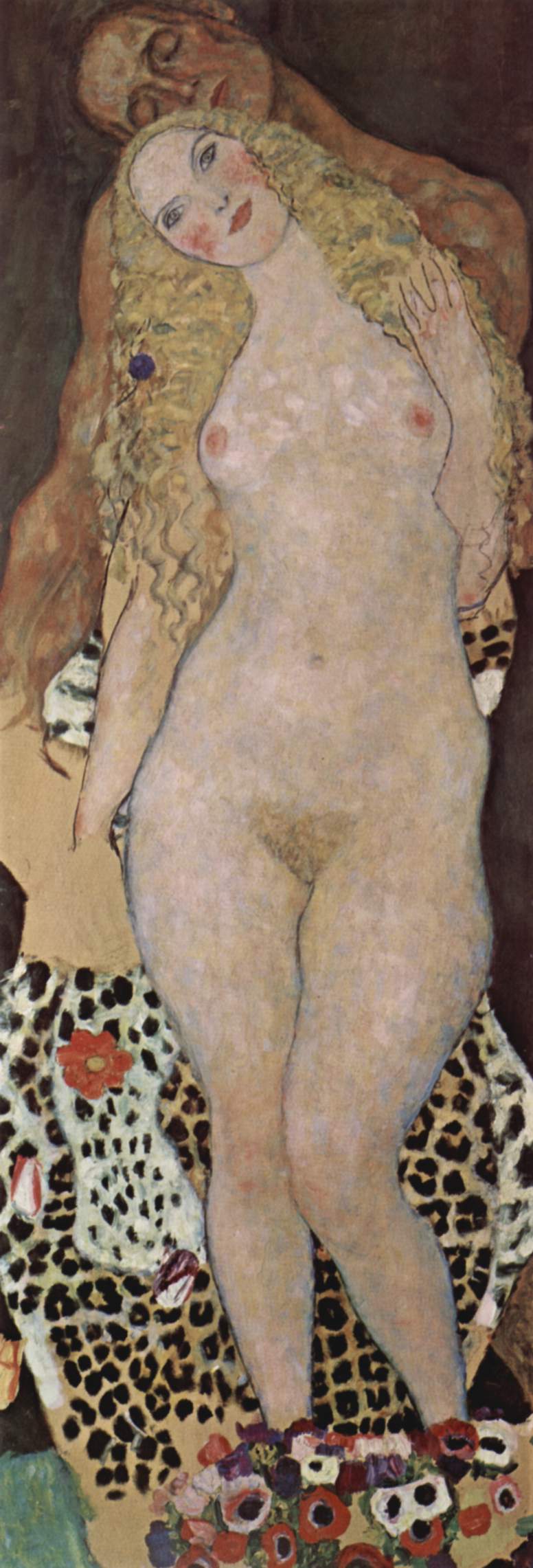 Adam and Eva (unfinished)
1917
Adam and Eva (unfinished)
1917
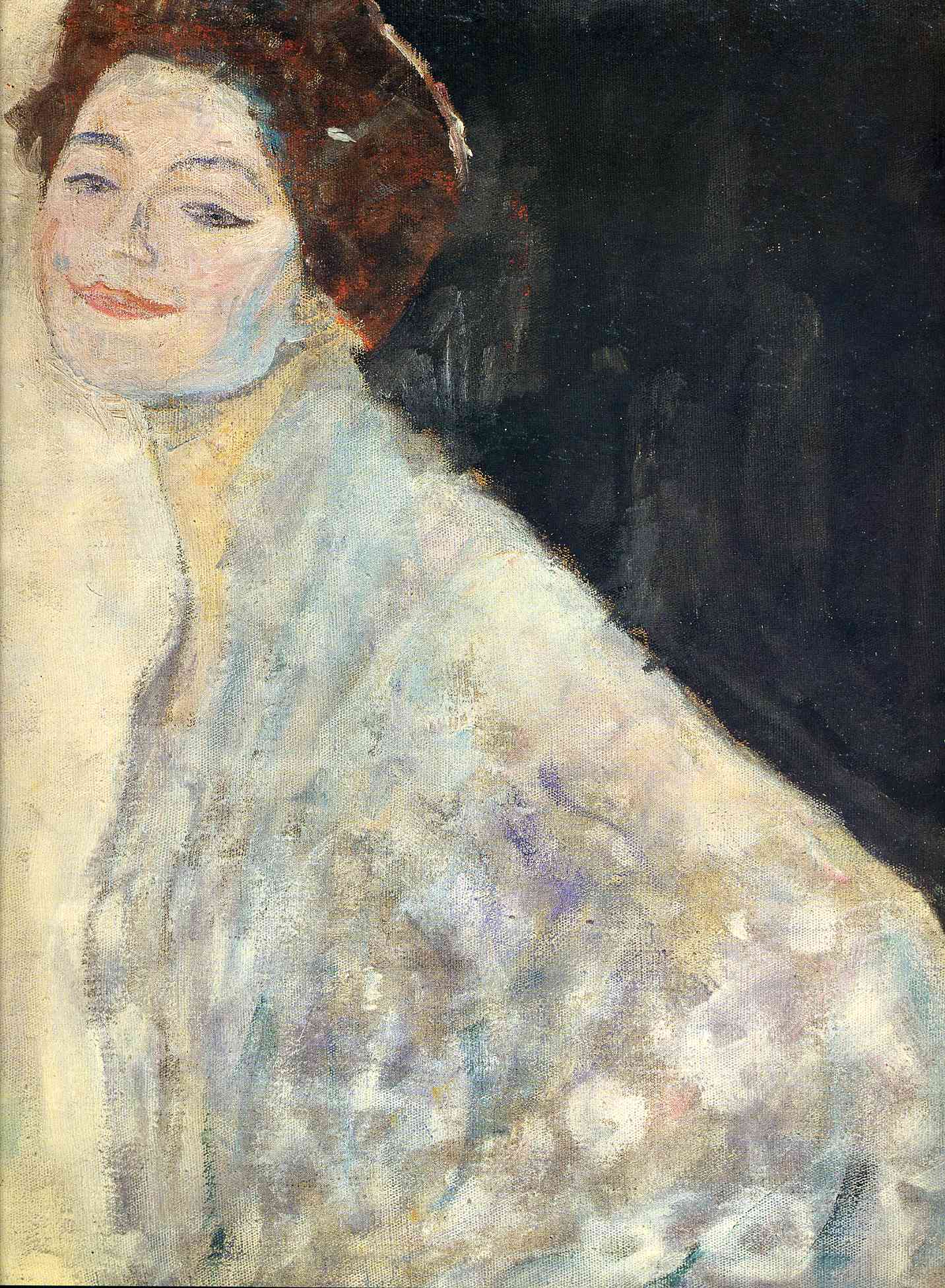 Portrait of a Lady in White (unfinished)
1917
Portrait of a Lady in White (unfinished)
1917
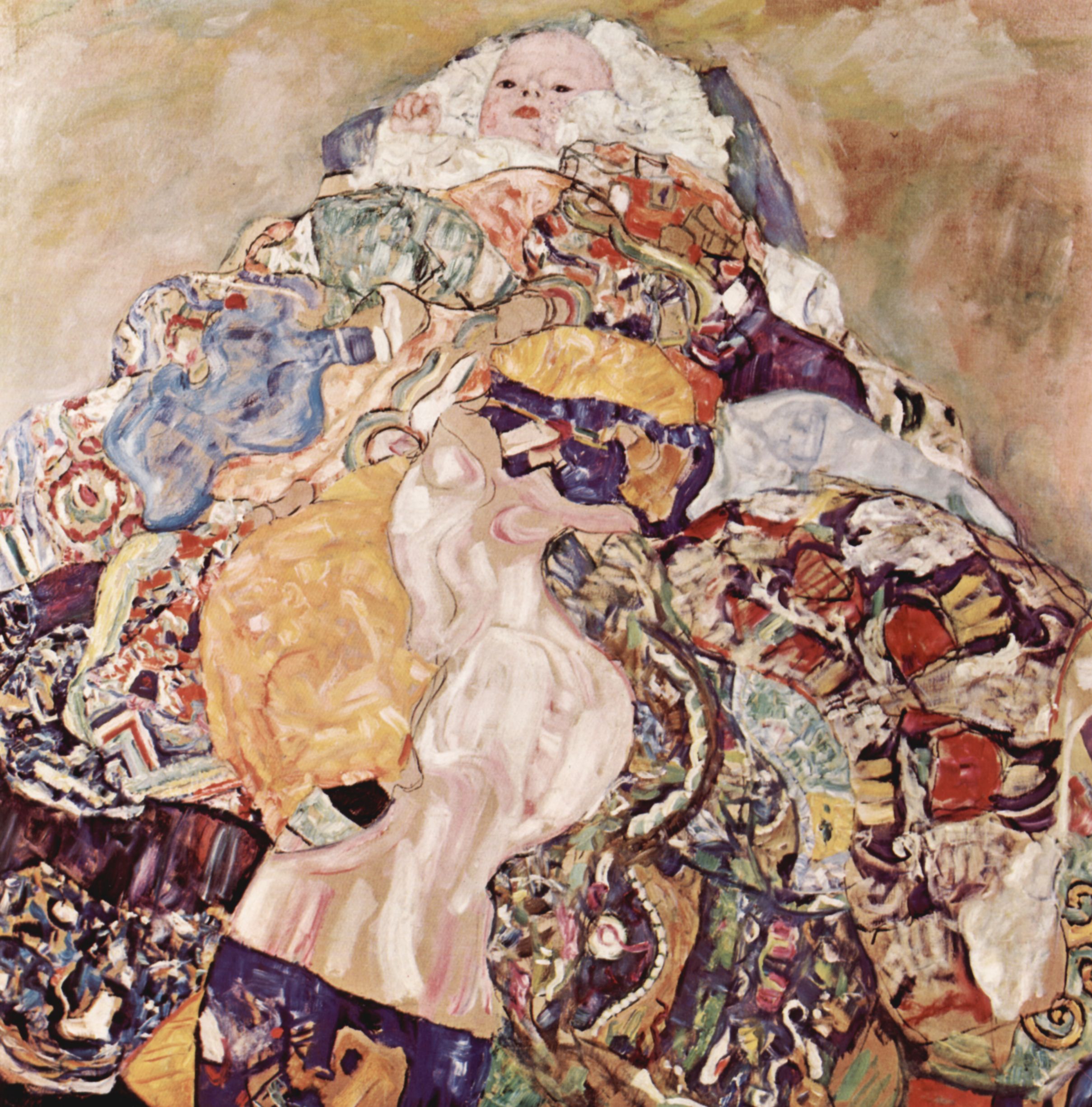 Baby
1917
Baby
1917
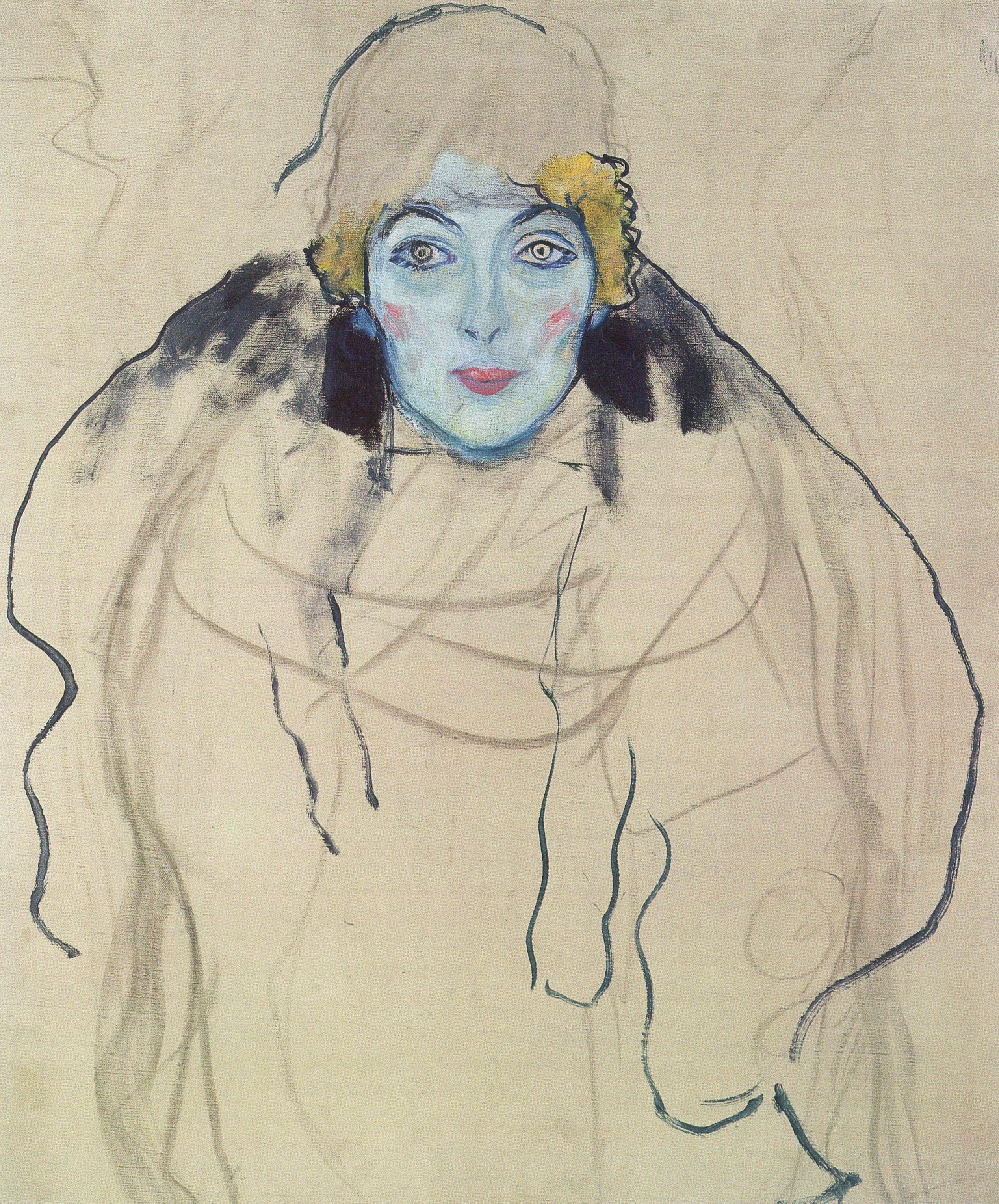 Portrait of a Lady (unfinished)
1917
Portrait of a Lady (unfinished)
1917
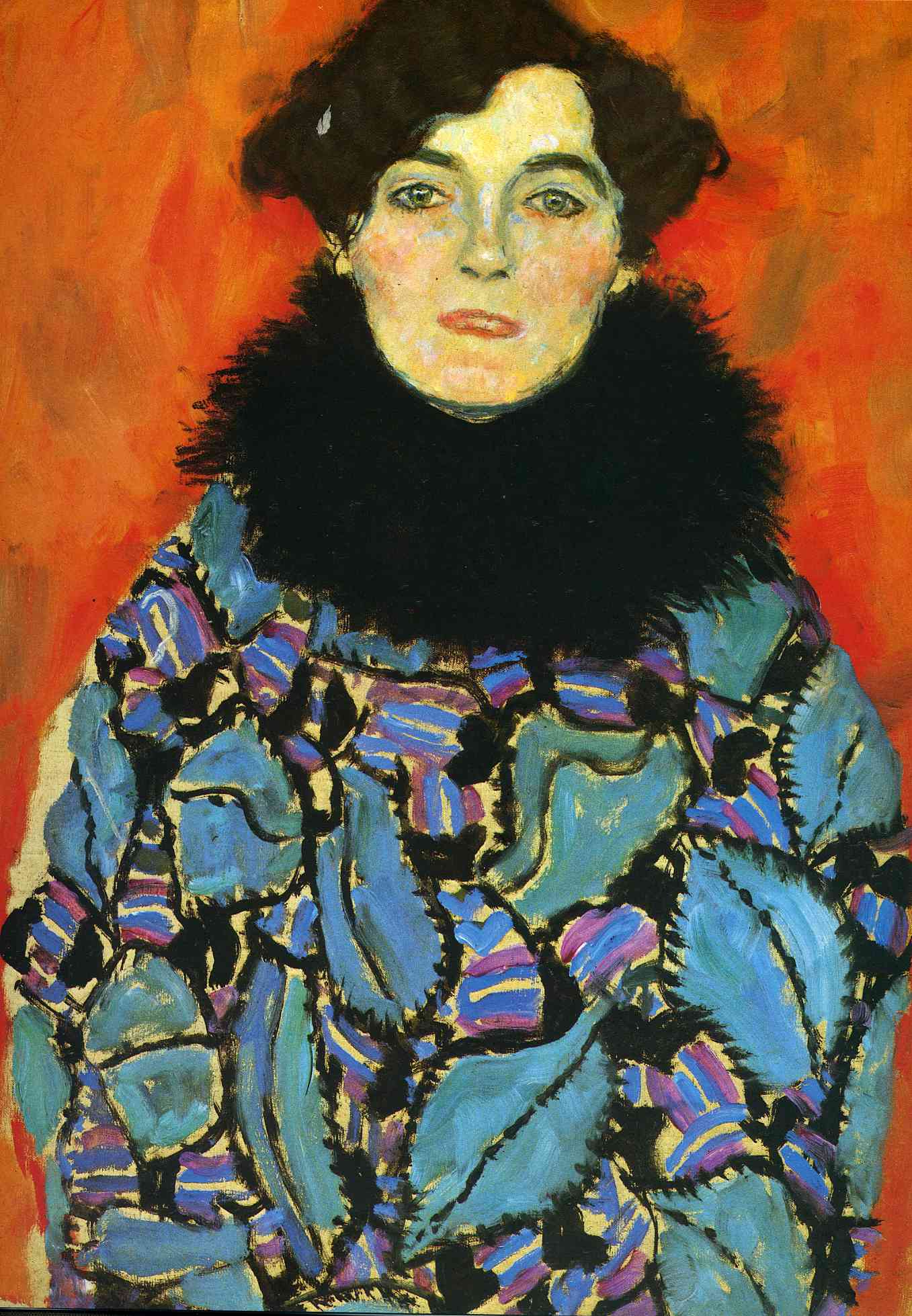 Portrait of Johanna Staude
1917
Portrait of Johanna Staude
1917
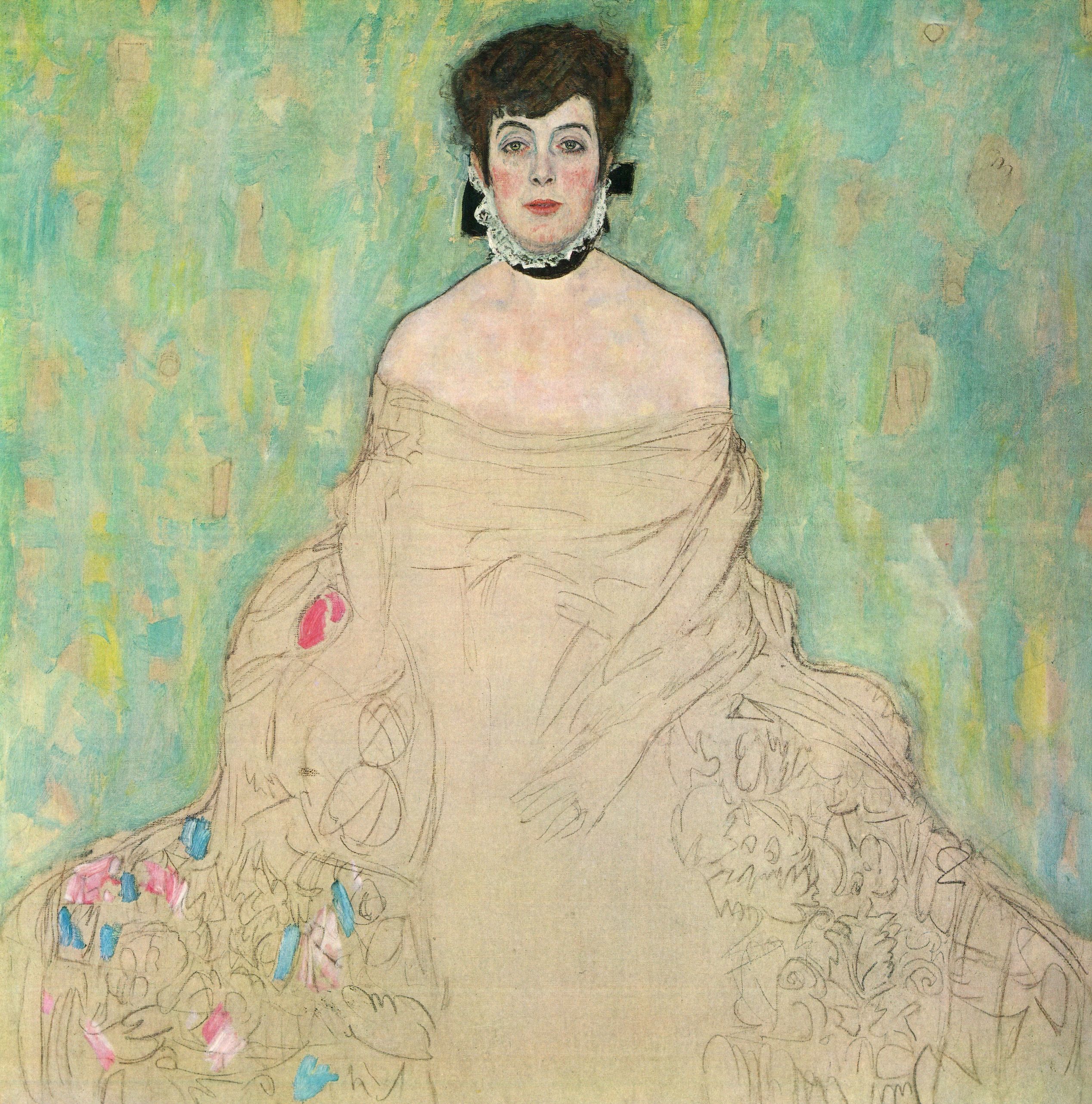 Amalie Zuckerkandl
1917
Amalie Zuckerkandl
1917
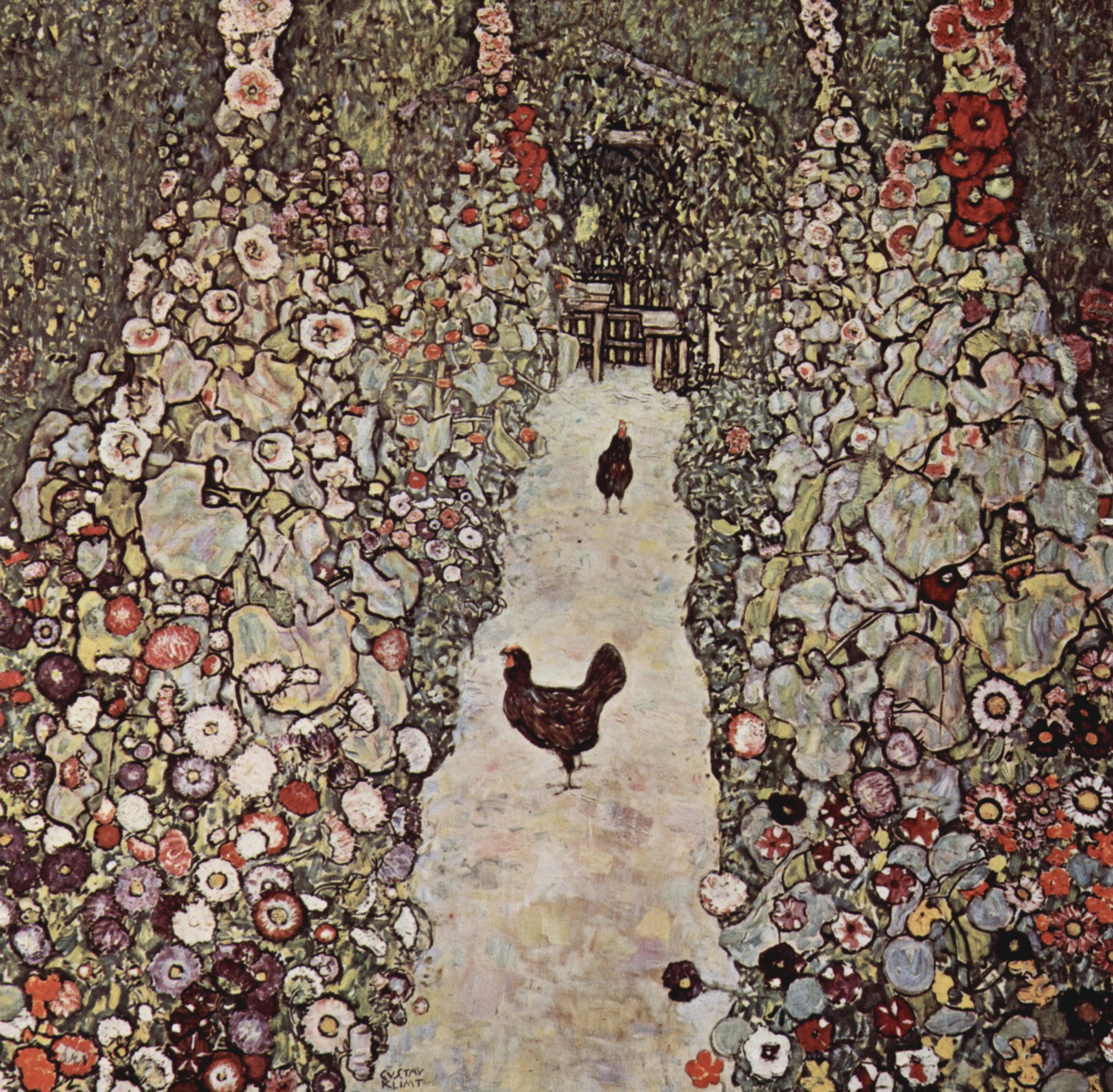 Garden with Roosters
1917
Garden with Roosters
1917
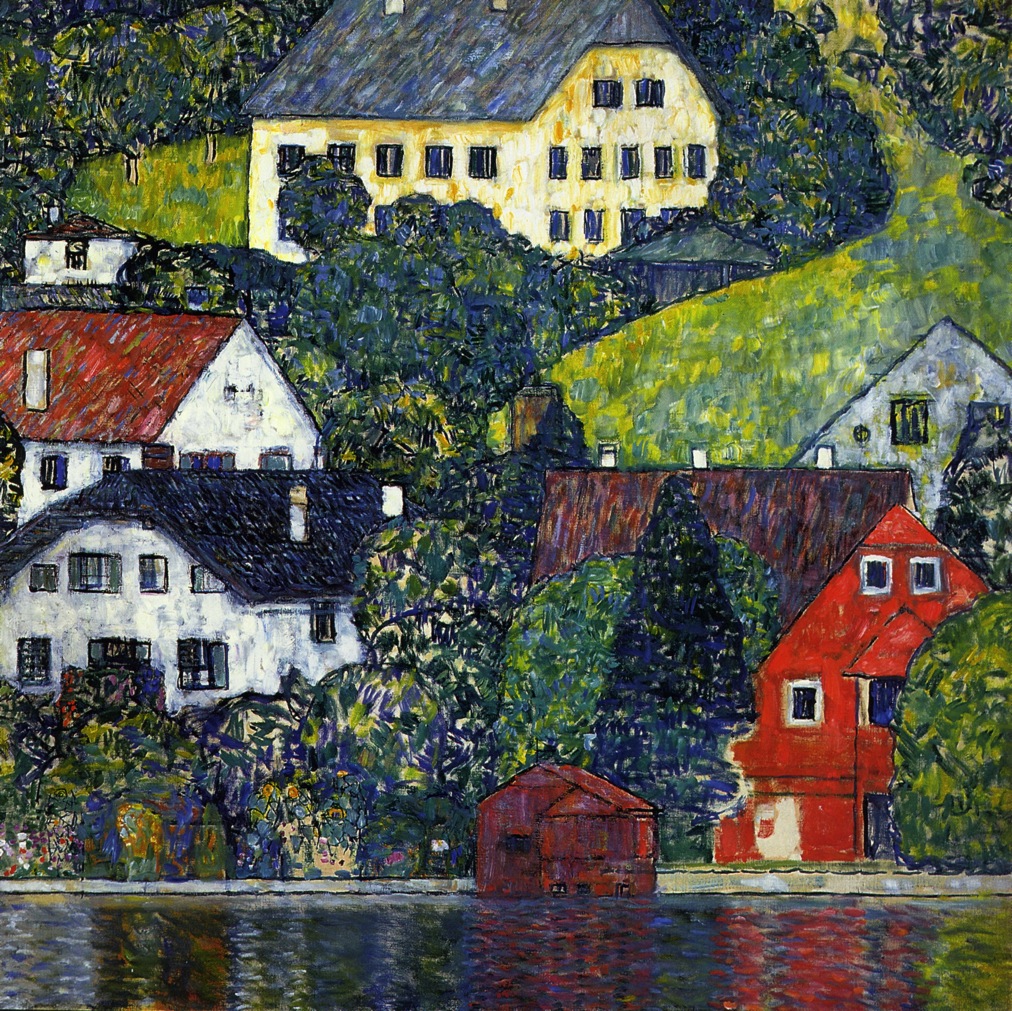 Houses at Unterach on the Attersee
1916
Houses at Unterach on the Attersee
1916
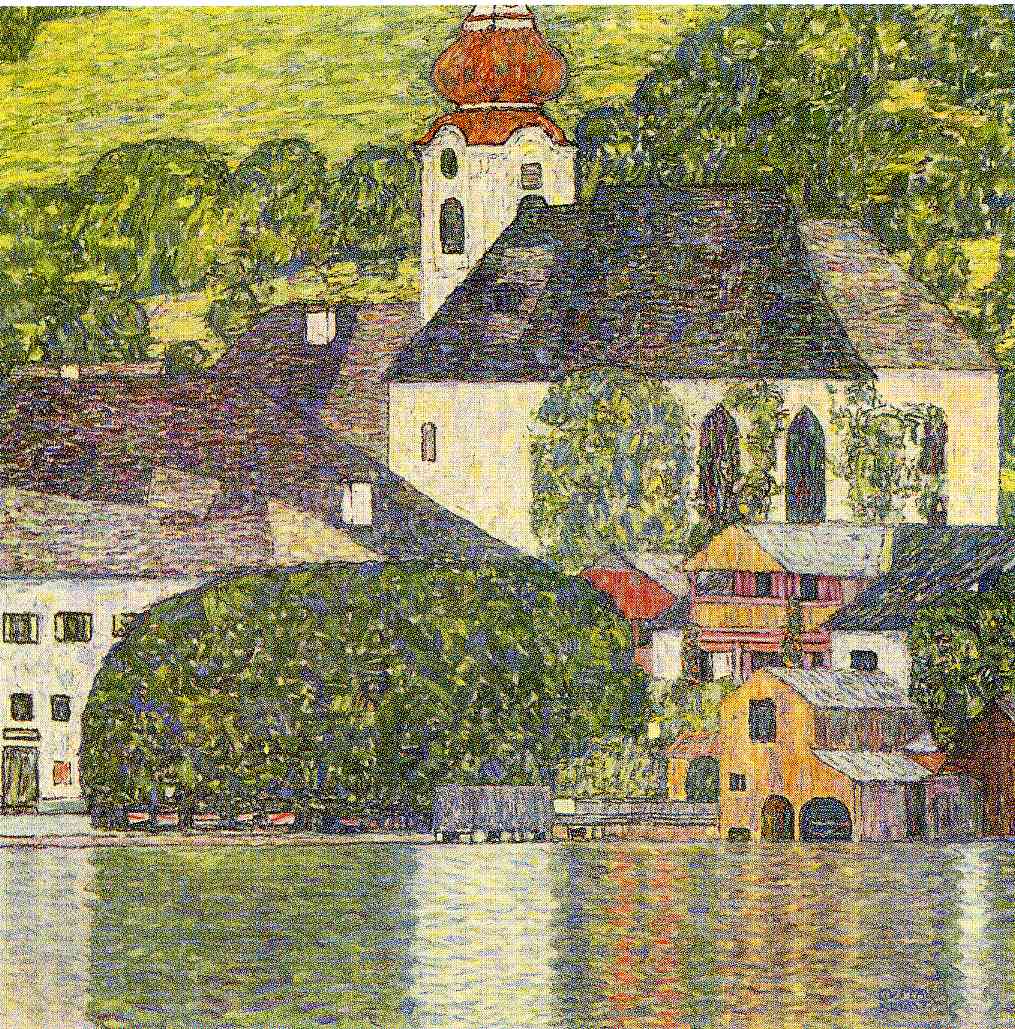 Church in Unterach on the Attersee
1916
Church in Unterach on the Attersee
1916
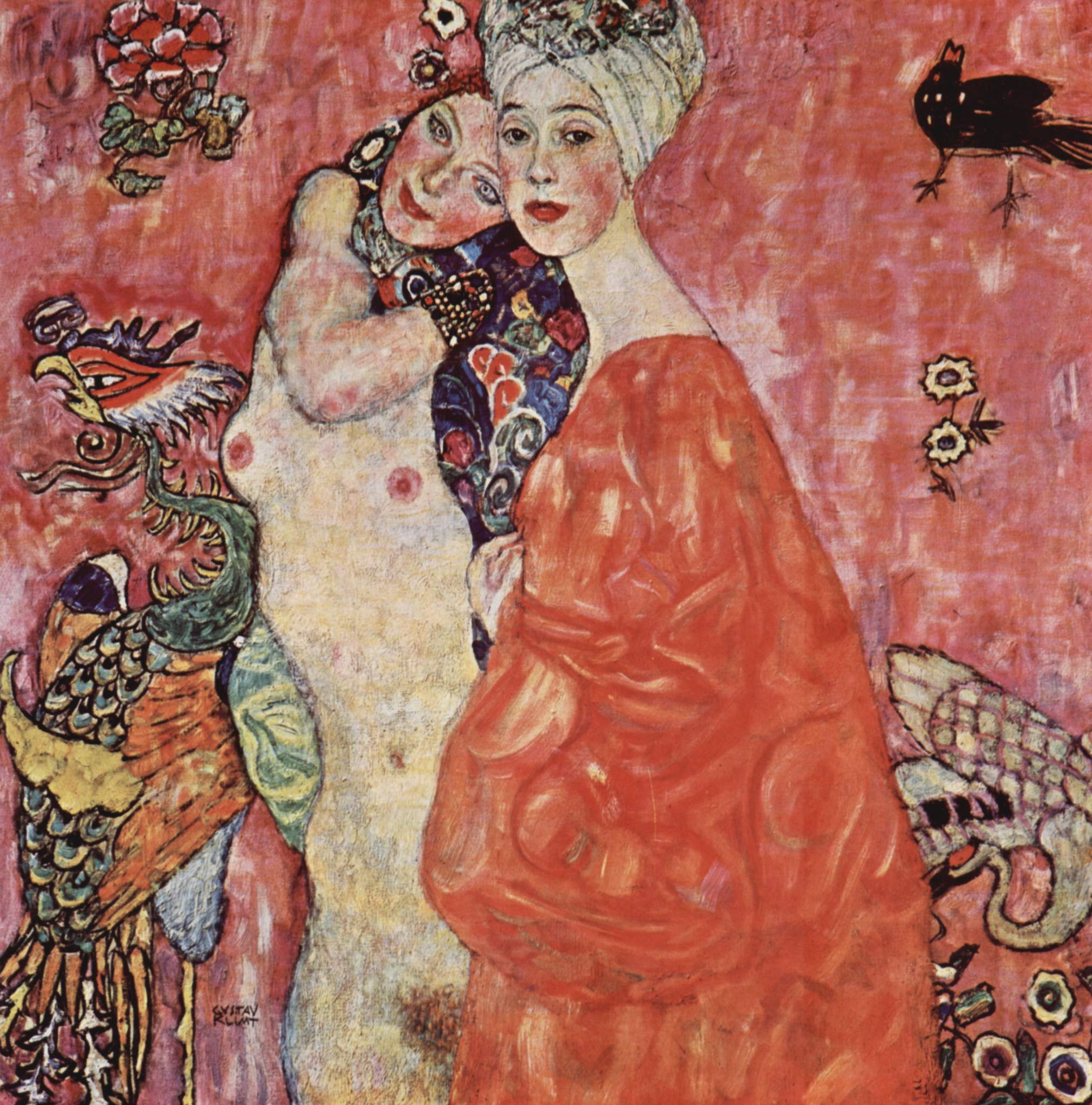 The Women Friends
1916
The Women Friends
1916
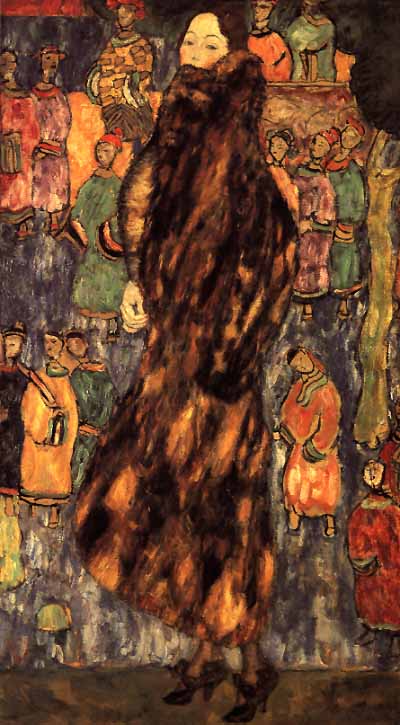 The Polecat Fur (unfinished)
1916
The Polecat Fur (unfinished)
1916
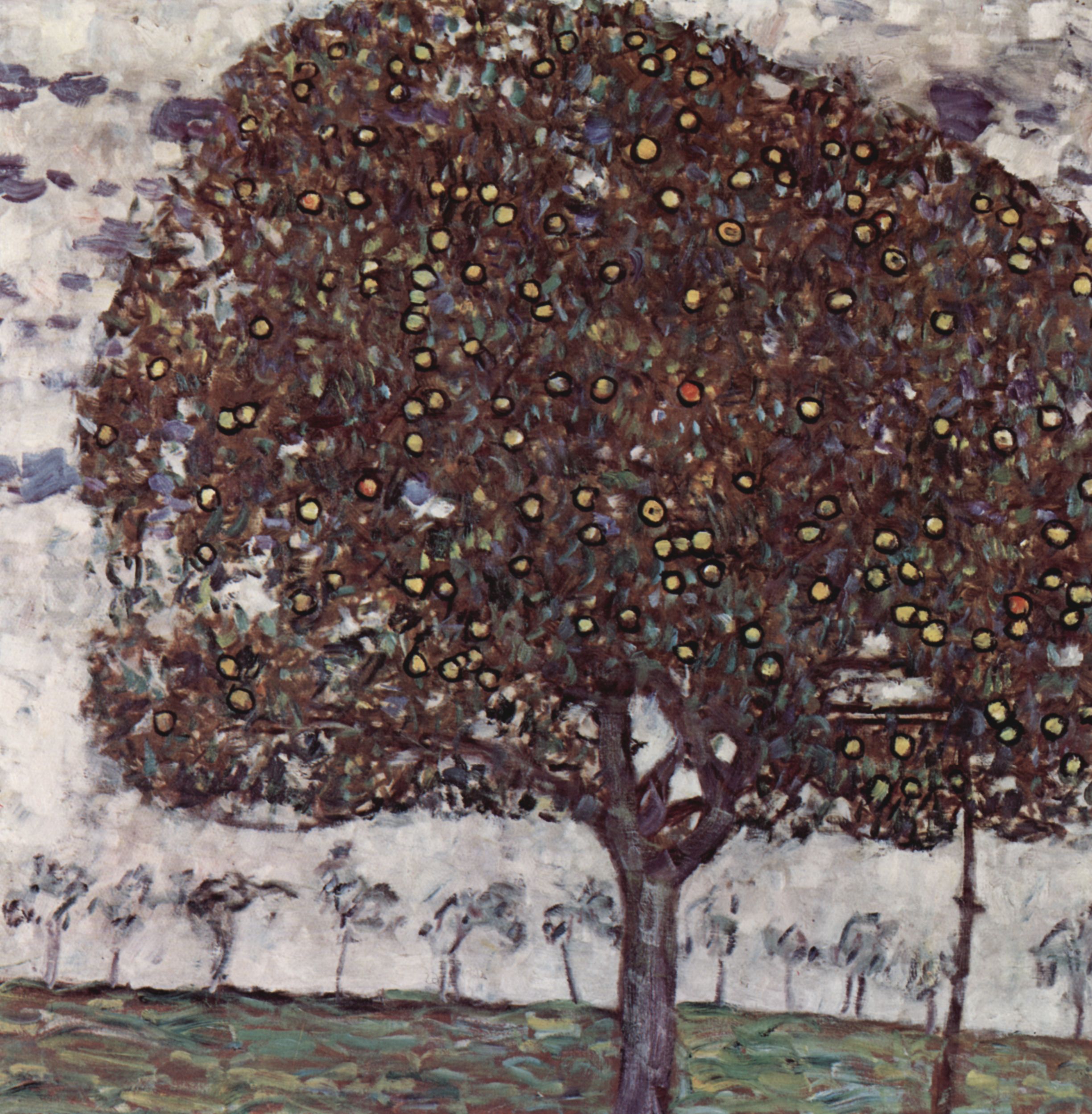 Apple Tree II
1916
Apple Tree II
1916
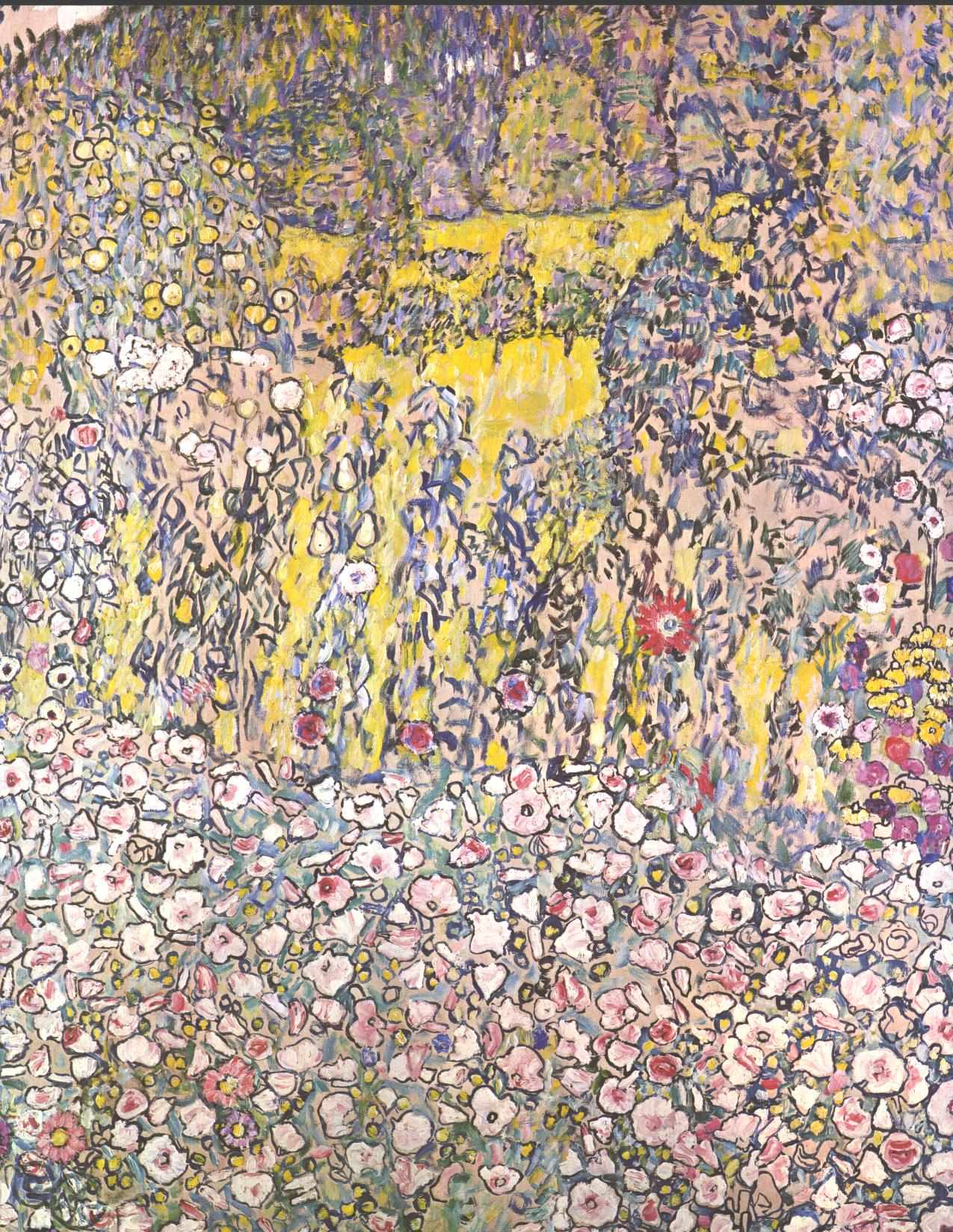 Horticultural landscape with a hilltop
1916
Horticultural landscape with a hilltop
1916
 Park of Schönbrunn
1916
Park of Schönbrunn
1916
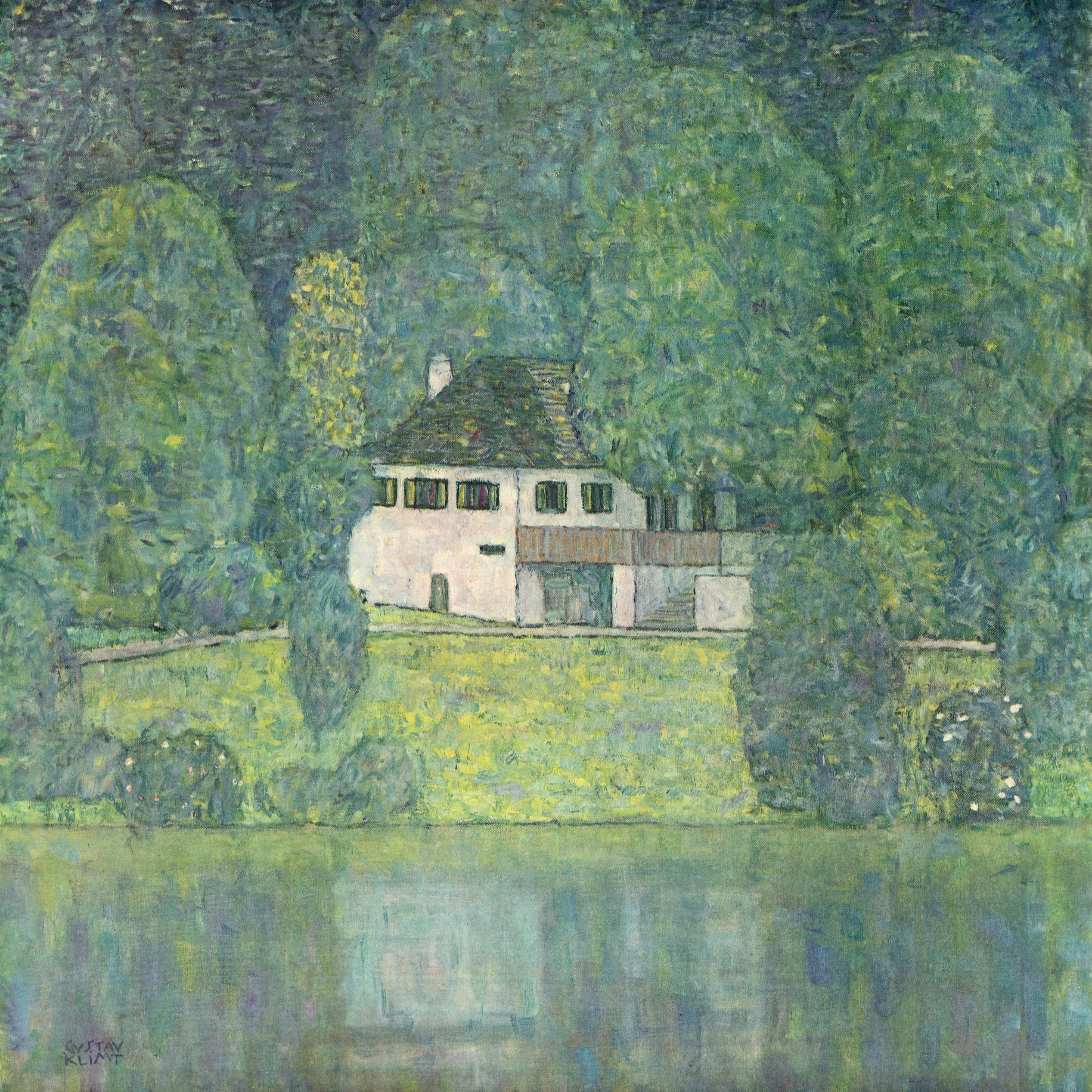 Litzlberg am Attersee
1915
Litzlberg am Attersee
1915
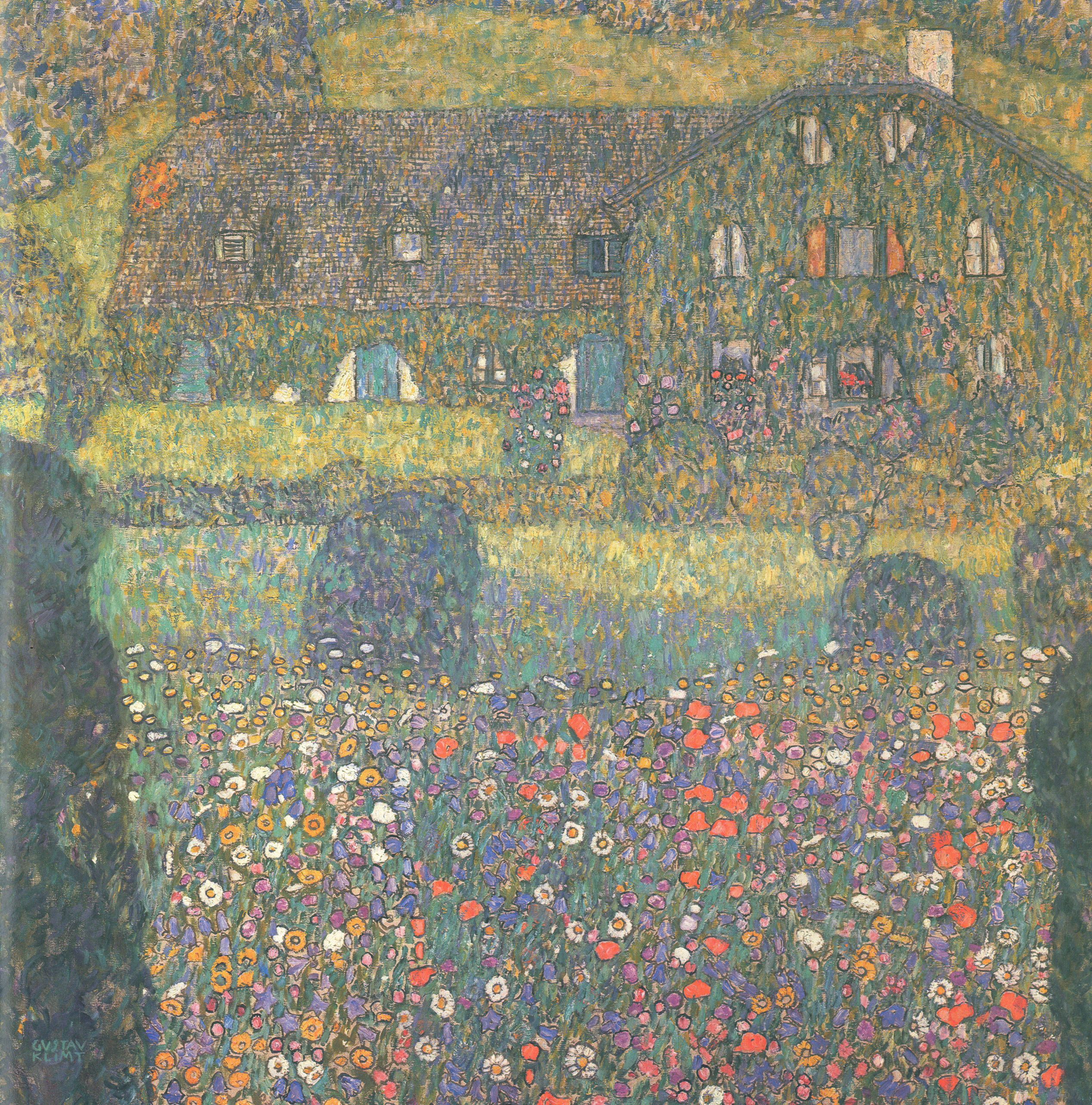 Country House by the Attersee
1914
Country House by the Attersee
1914
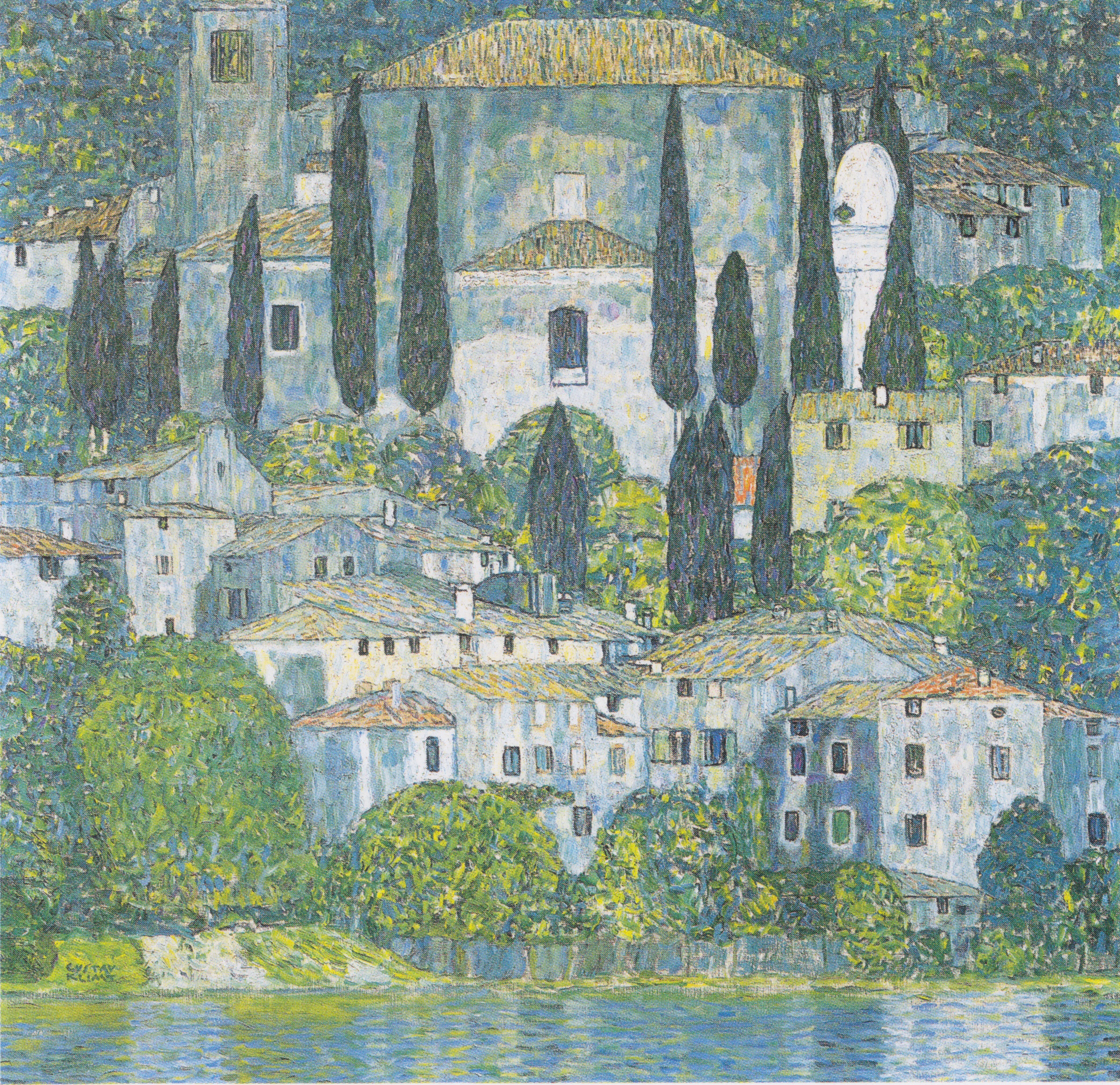 Church in Cassone
1913
Church in Cassone
1913
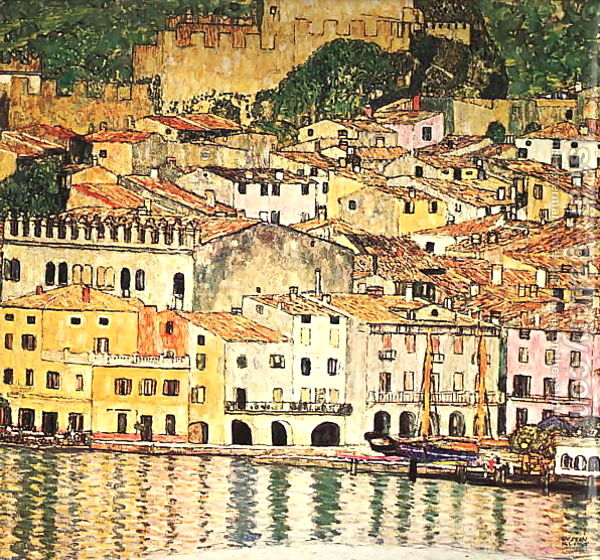 Malcesine on Lake Garda
1913
Malcesine on Lake Garda
1913
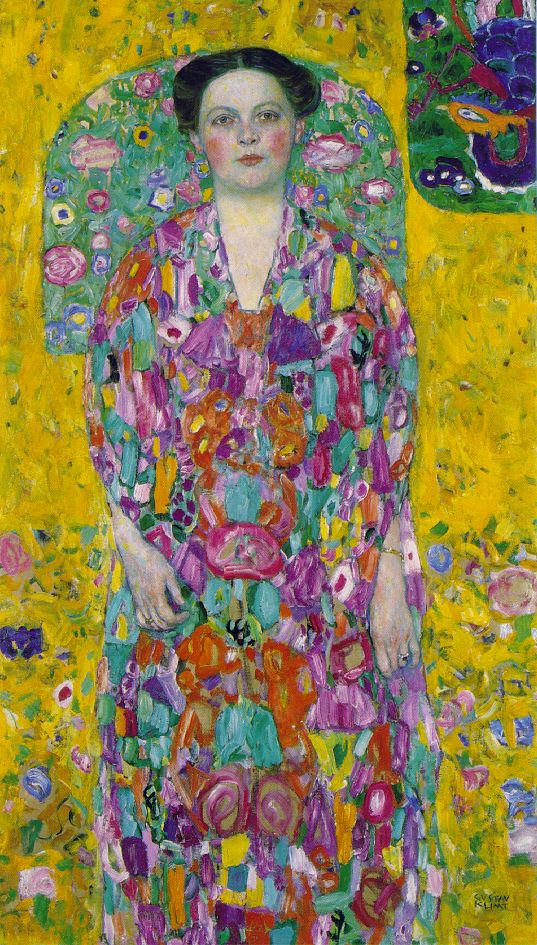 Portrait Of Eugenia Primavesi
1913
Portrait Of Eugenia Primavesi
1913
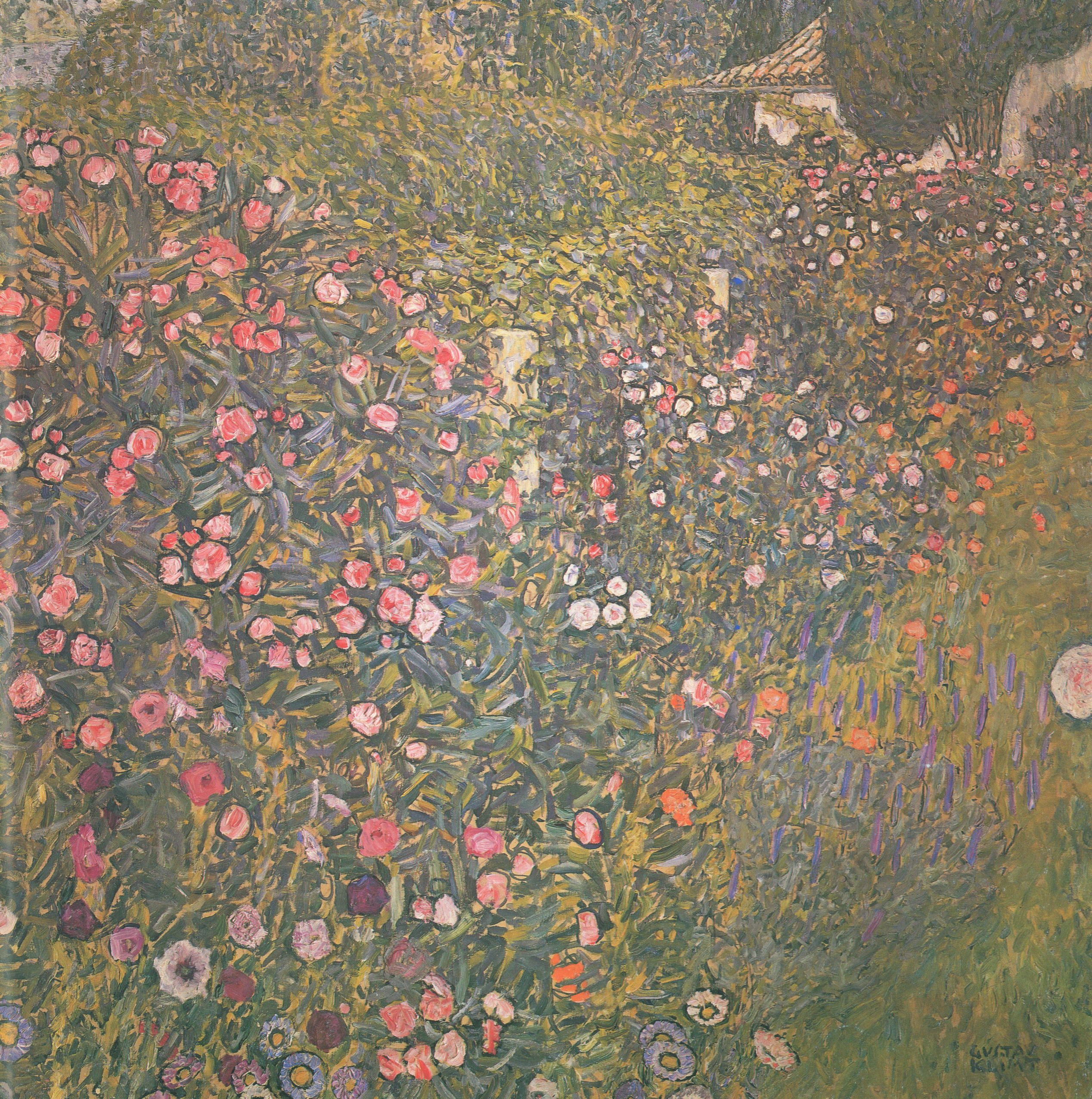 Italian horticultural landscape
1913
Italian horticultural landscape
1913
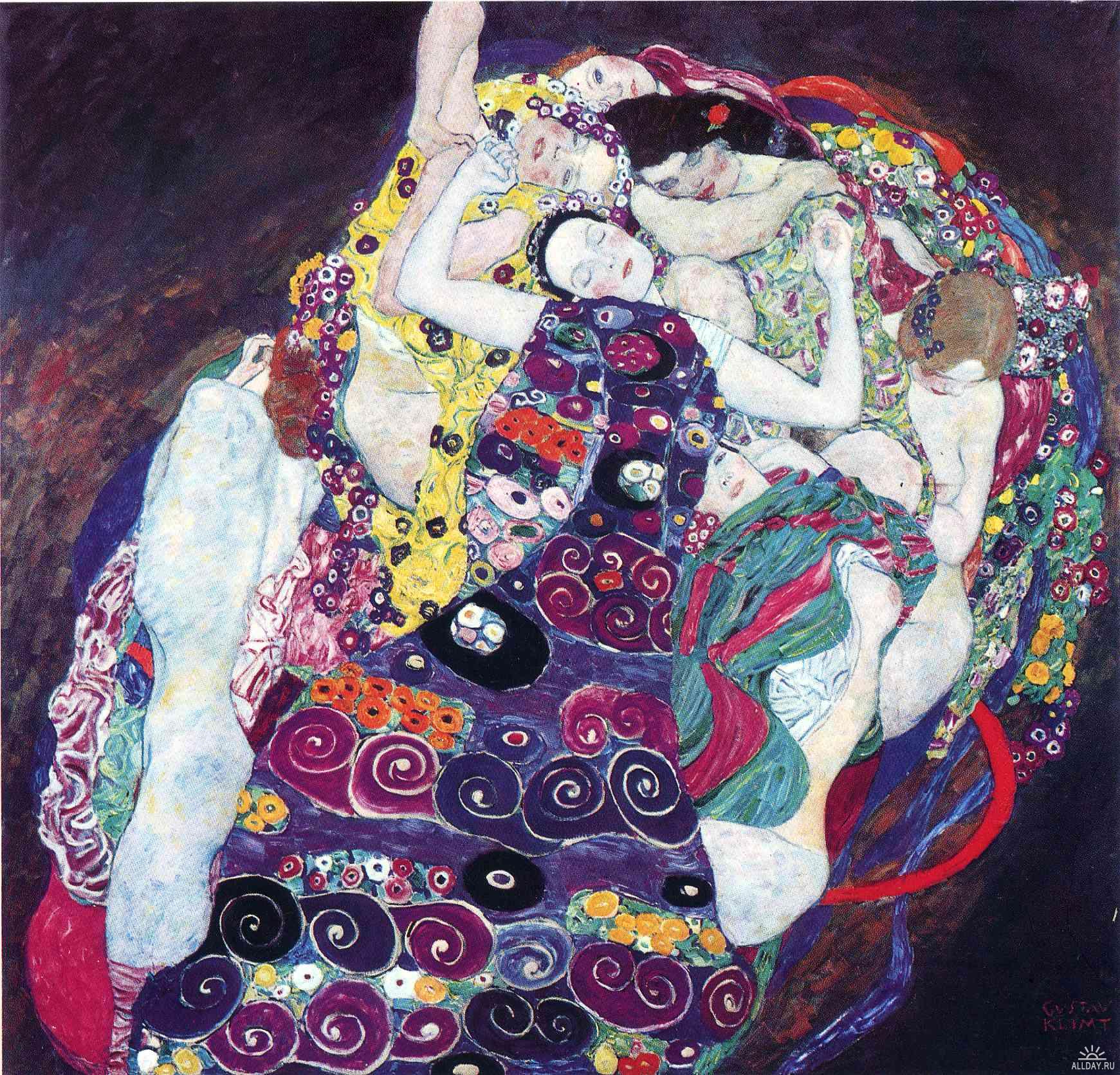 The Virgin
1913
The Virgin
1913
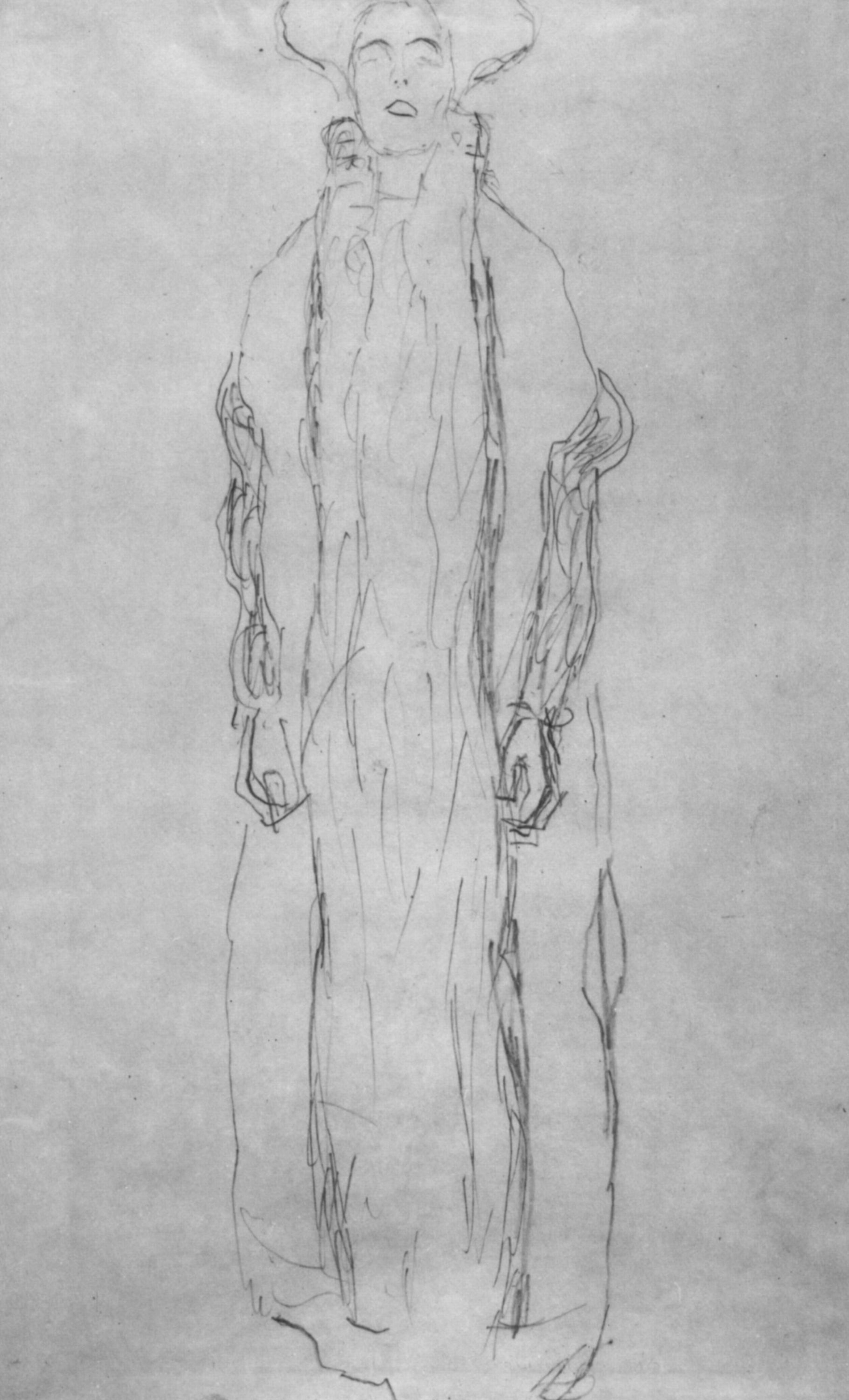 Adele Bloch-Bauer
1912
Adele Bloch-Bauer
1912
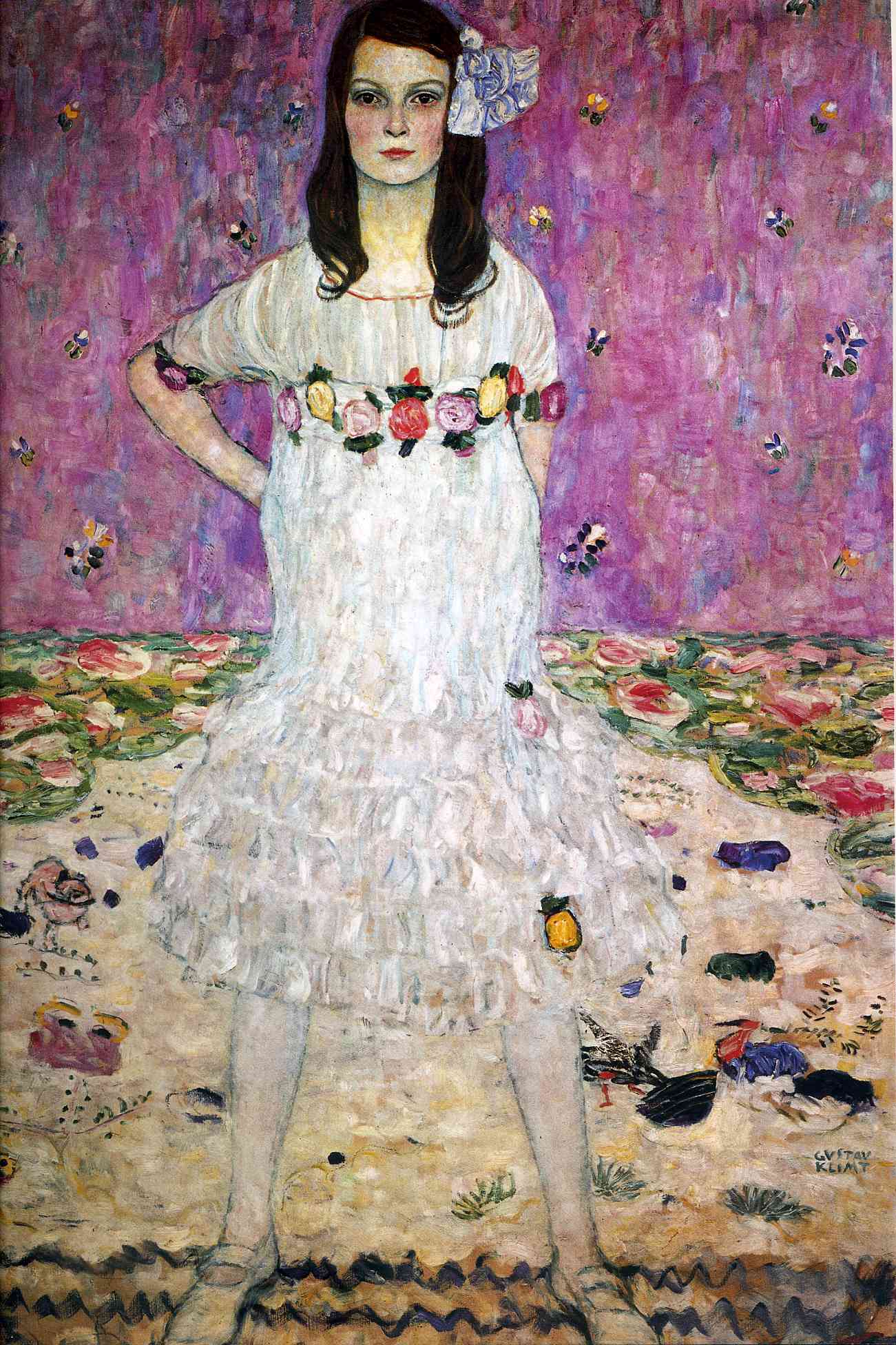 Mada Primavesi
1912
Mada Primavesi
1912