Rembrandt
Barroco Pintura do Século de Ouro dos Países BaixosBiografia
Considered the greatest painter in all of European Art, Rembrandt van Rijn was a Dutch painter and etcher of the Dutch Golden Age. As a child, he had an inclination towards painting, and spent three years under the apprenticeship of a local history painter. After another six month apprenticeship with painter Jan Pieter Lastman, he opened his own studio. He began taking art students at his studio at the ripe old age of twenty-one years old. In 1631, Rembrandt moved to Amsterdam, which at the time was rapidly expanding, and had great success painting personal portraits. In 1634 he married his wife, Saskia van Uylenberg, and in the same year began taking art students in Amsterdam. Although his public life was on track, his private life was deteriorating. His wife Saskia had their first child, a boy, in 1635, but he died at two months of age. Their second child, a girl, died at three weeks of age. Their third child, another girl, died before she was a month old. It was only their fourth child, Titus, who would live into adulthood. Saskia herself died after Titus’ birth, possibly from consumption. Although he lived an affluent lifestyle, Rembrandt lived far beyond his means. He had a large mortgage, and spent money on art, prints, and rarities, and avoided bankruptcy in 1656 only by selling many of his paintings and his collections of antiquities. Unfortunately, however, the sales price of his collection was disappointing, and he was forced to sell his house and printing press and move to a more modest location. Rembrandt outlived both his son Titus and his common-law wife Hendrickje, with whom he had a daughter Cornelia, and died in 1669. He was buried in an unmarked grave. Due to Rembrandt’s practice of having his students copy his own work, and many stylistic evolutions and style experiments done by the artist, as well as bad restorations of his works, the attribution of Rembrandt’s works is very difficult. Many art historians disagree as to whether or not many of his works are true Rembrants. There is so much conjecture that there may never be a consensus. There is also conjecture by art historians that Rembrandt may have had stereo blindness, causing only one of his eyes to work. This would have further benefited his painting style by flattening out his perception in order to paint it on the canvas.
Obras no acervo
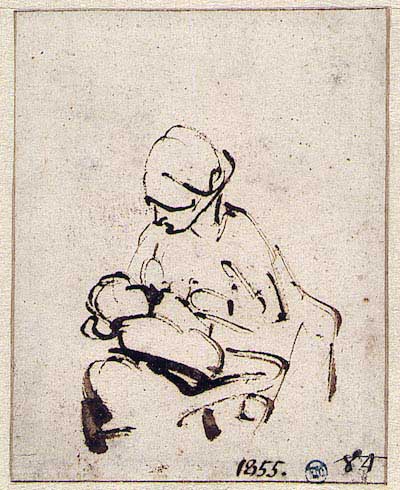 Woman suckling a child
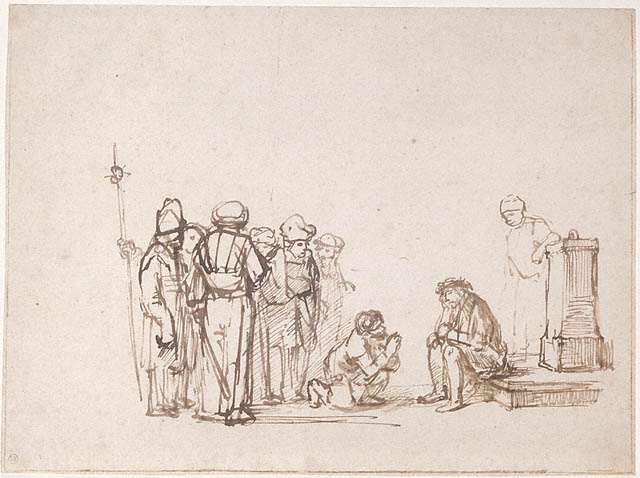 Mocking of Christ
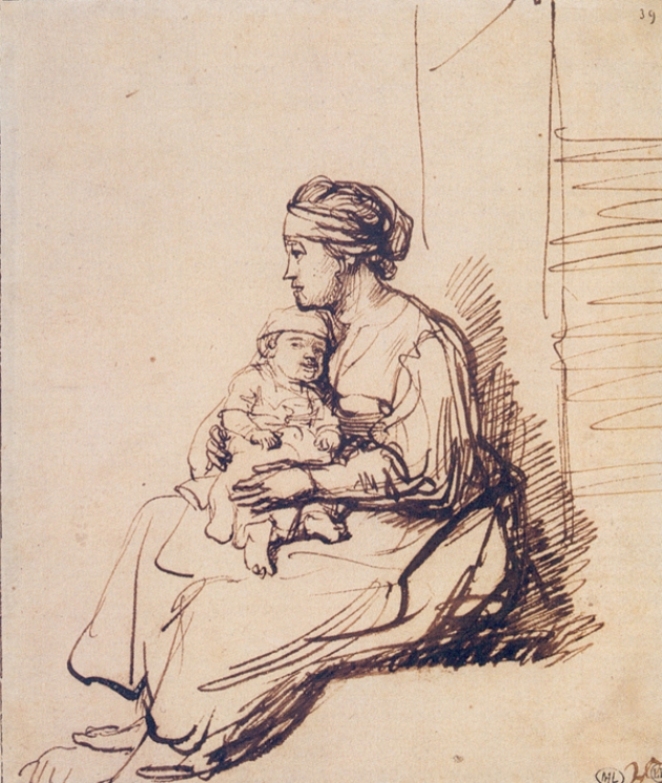 A Woman with a Little Child on her Lap
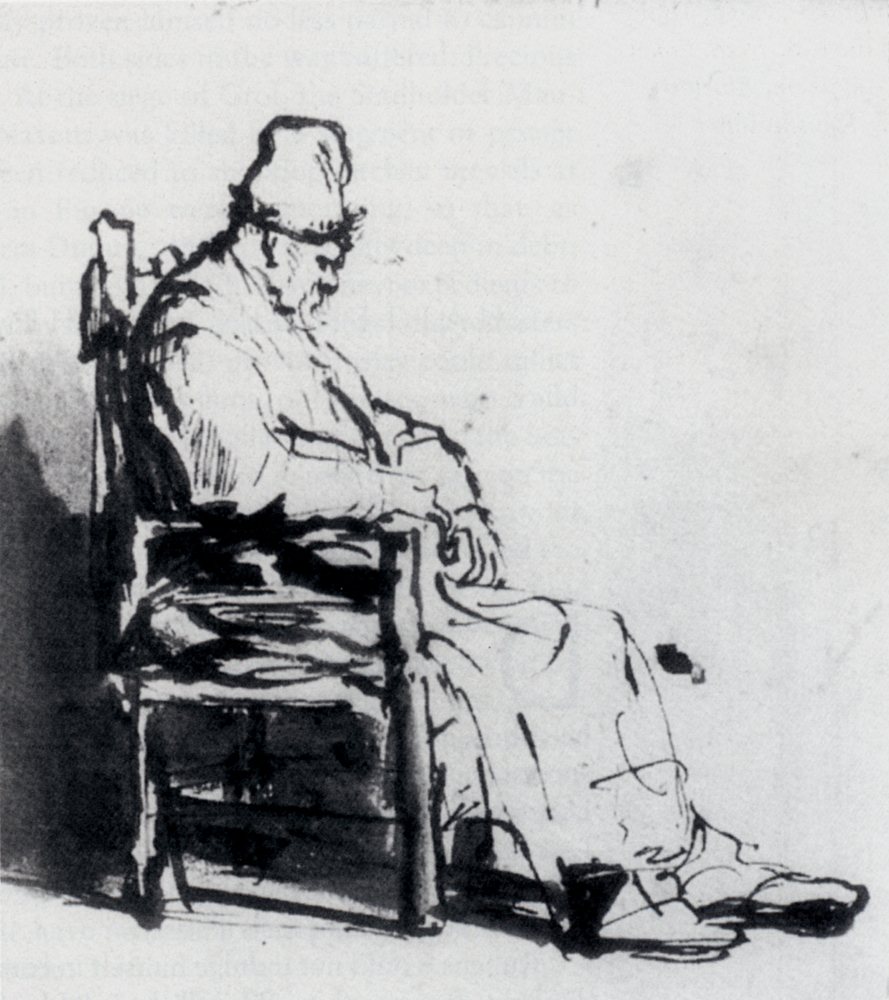 Seated Old Man (possibly Rembrandt`s father)
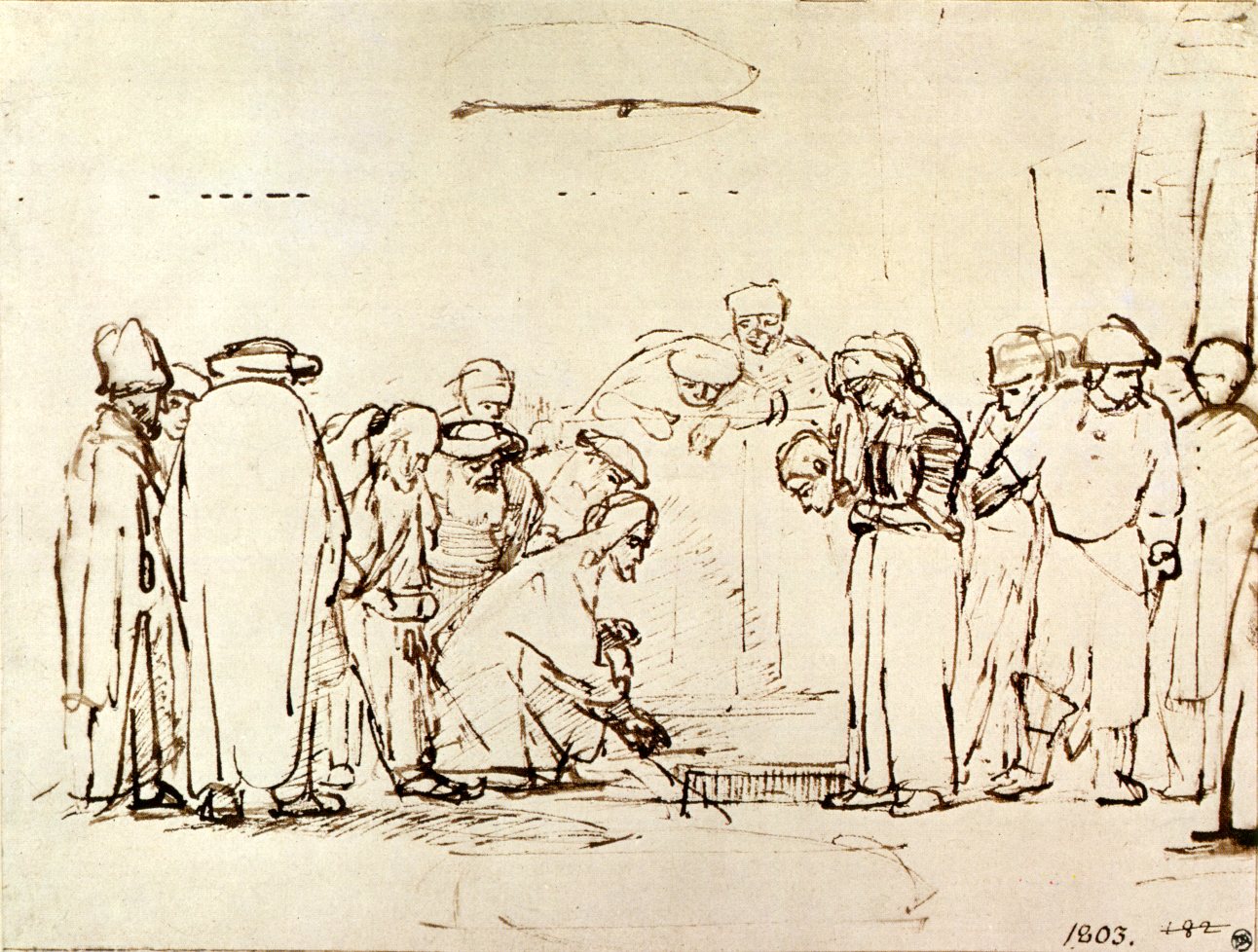 Jesus and the adulteress by Rembrandt
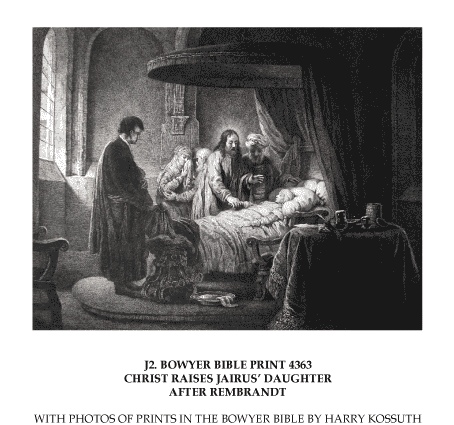 Christ raises Jairus
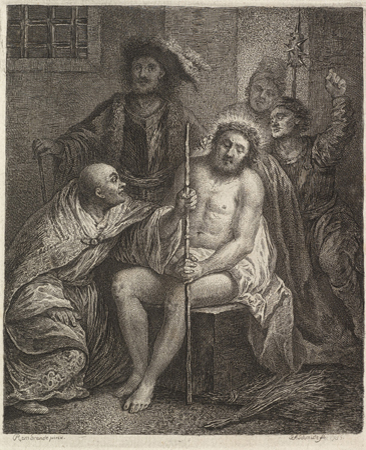 Christ Crowned with Thorns
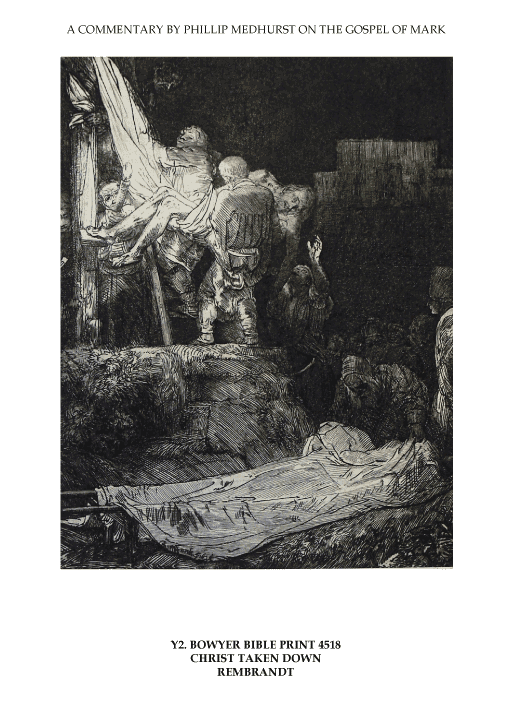 Christ taken down
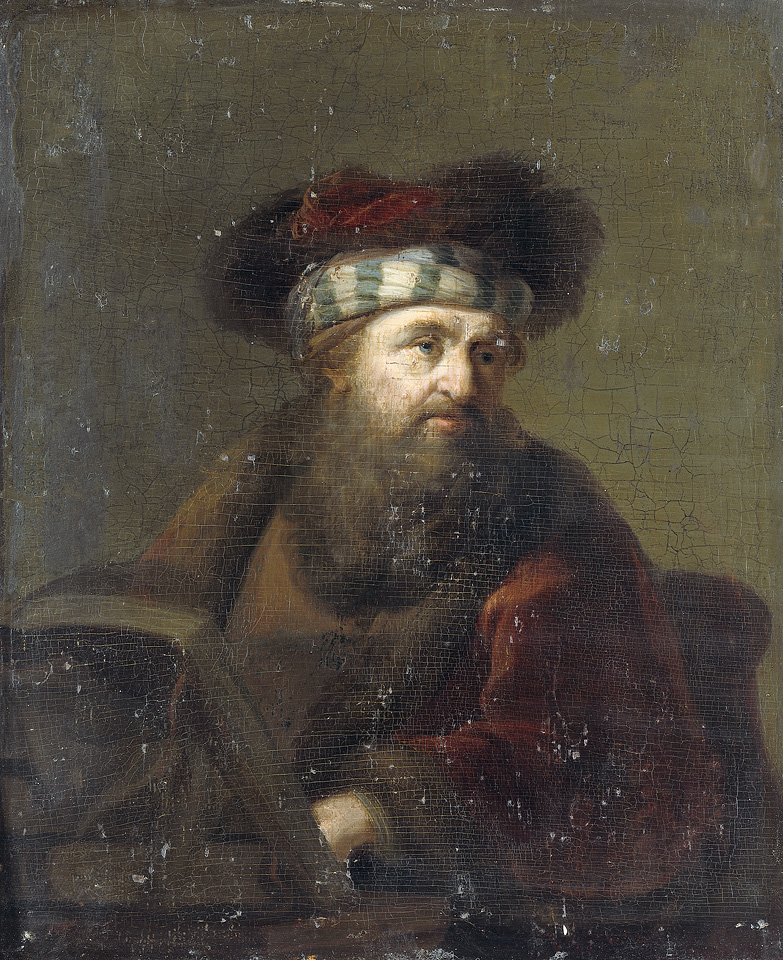 Portrait of a Rabbi
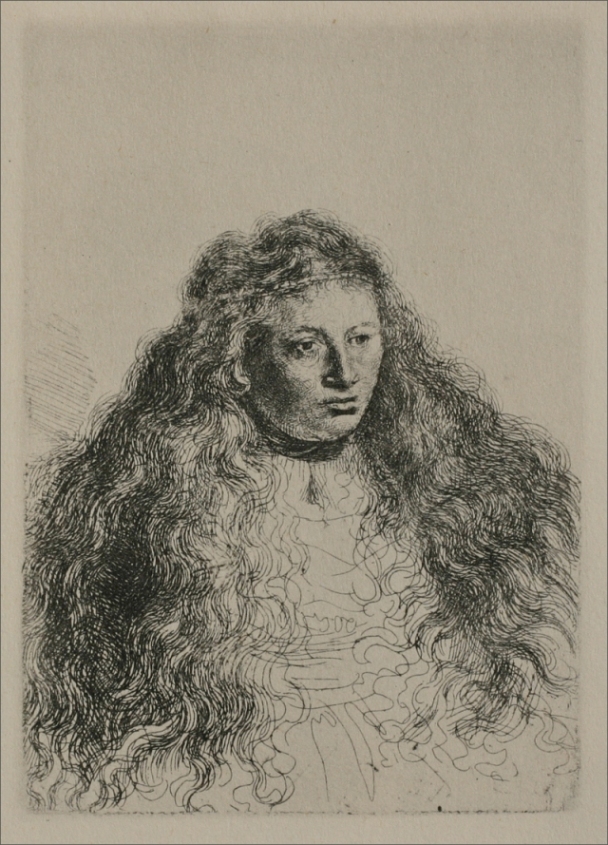 Study of Jewish Bride
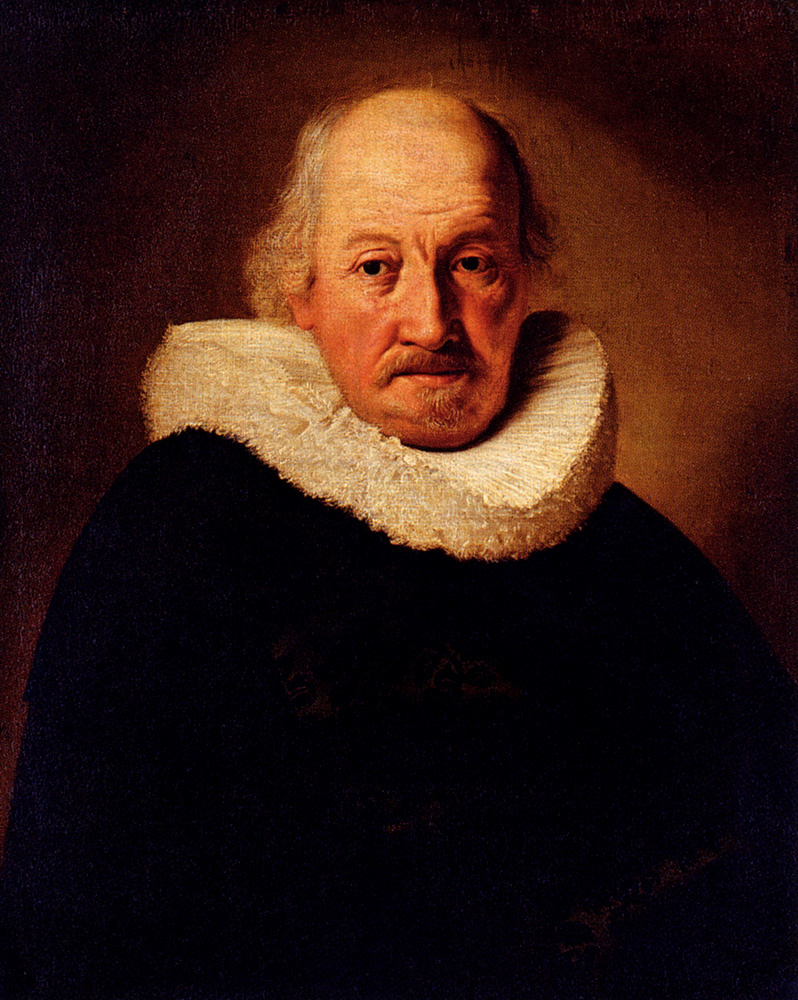 Portrait Of An Old Man
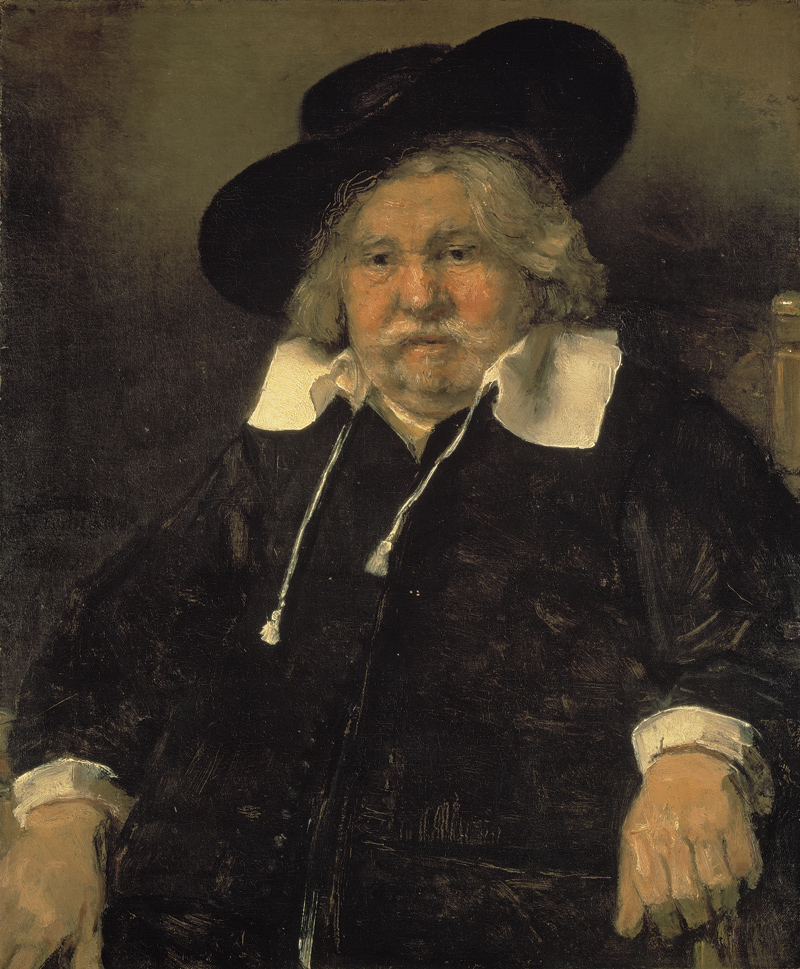 Portrait of an elderly man
1667
Portrait of an elderly man
1667
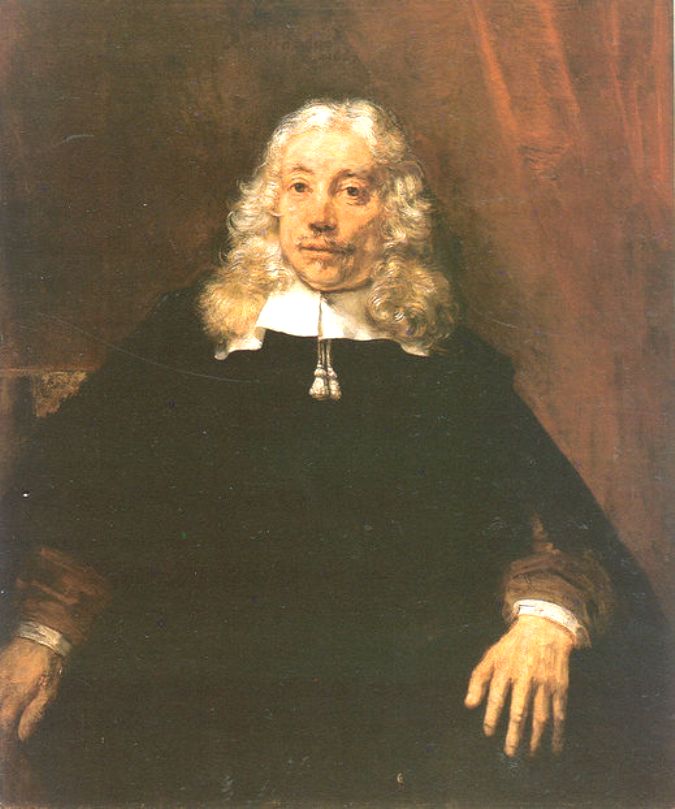 Portrait of a Man
1667
Portrait of a Man
1667
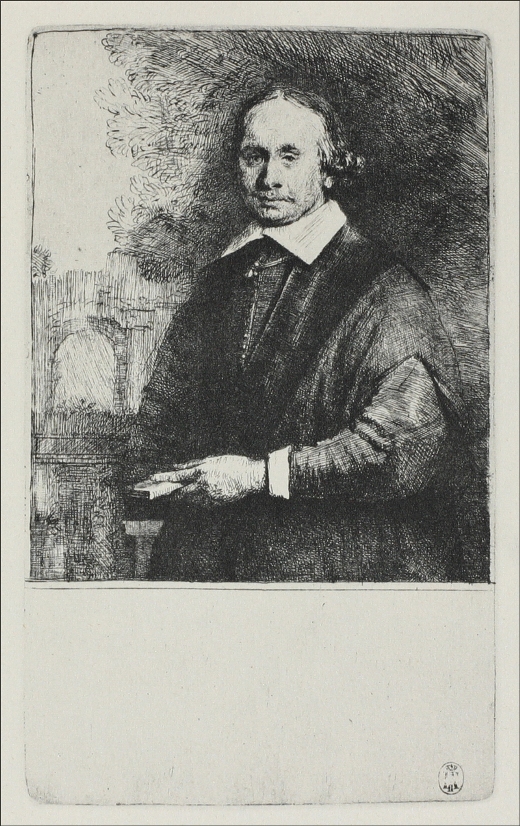 Jan Antonedis van der Linden
1665
Jan Antonedis van der Linden
1665
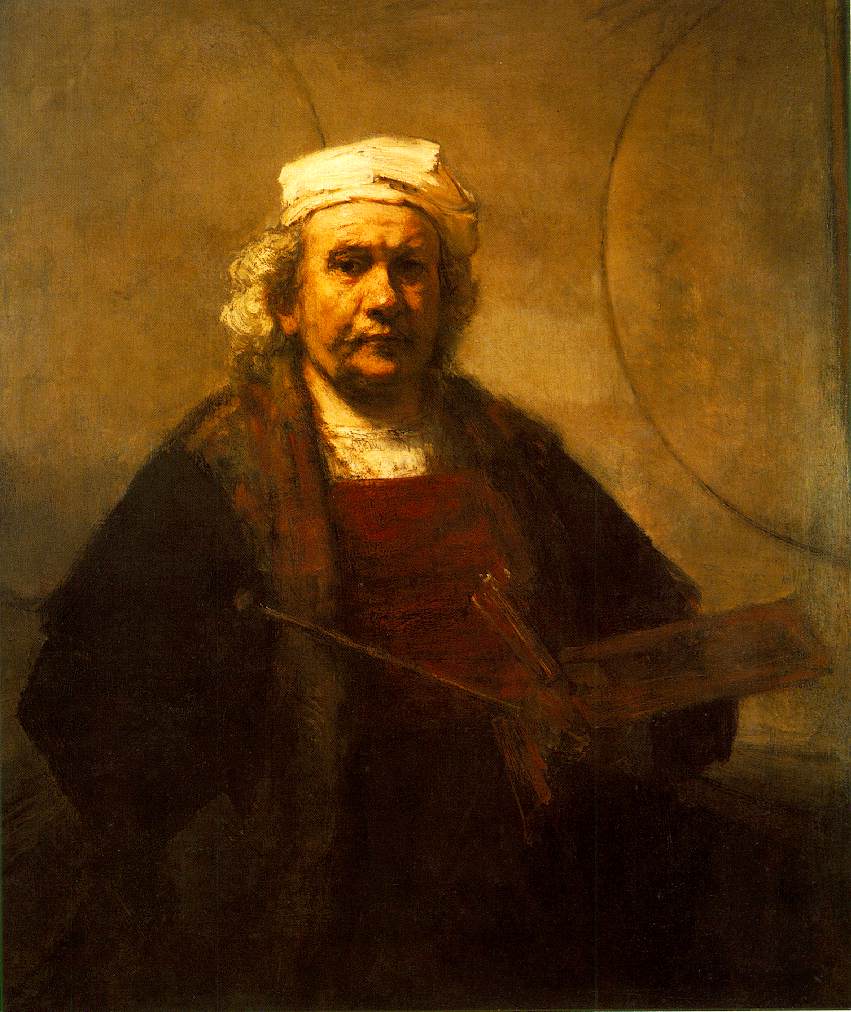 Self-portrait
1665
Self-portrait
1665
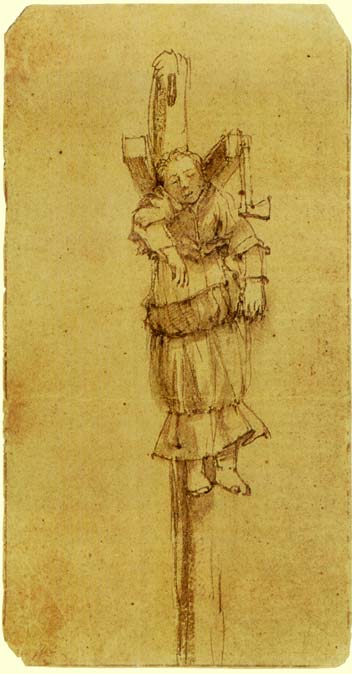 Elsje Christiaens
1664
Elsje Christiaens
1664
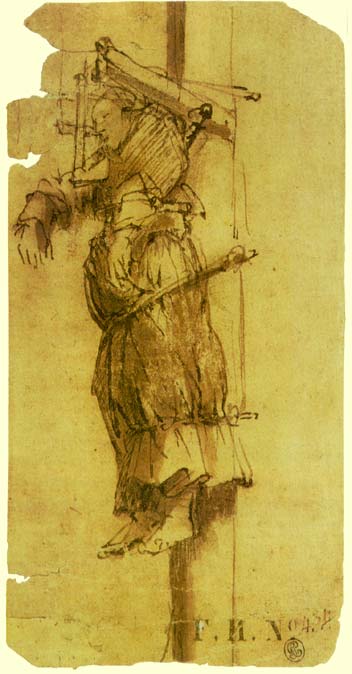 Elsje Christiaens
1664
Elsje Christiaens
1664
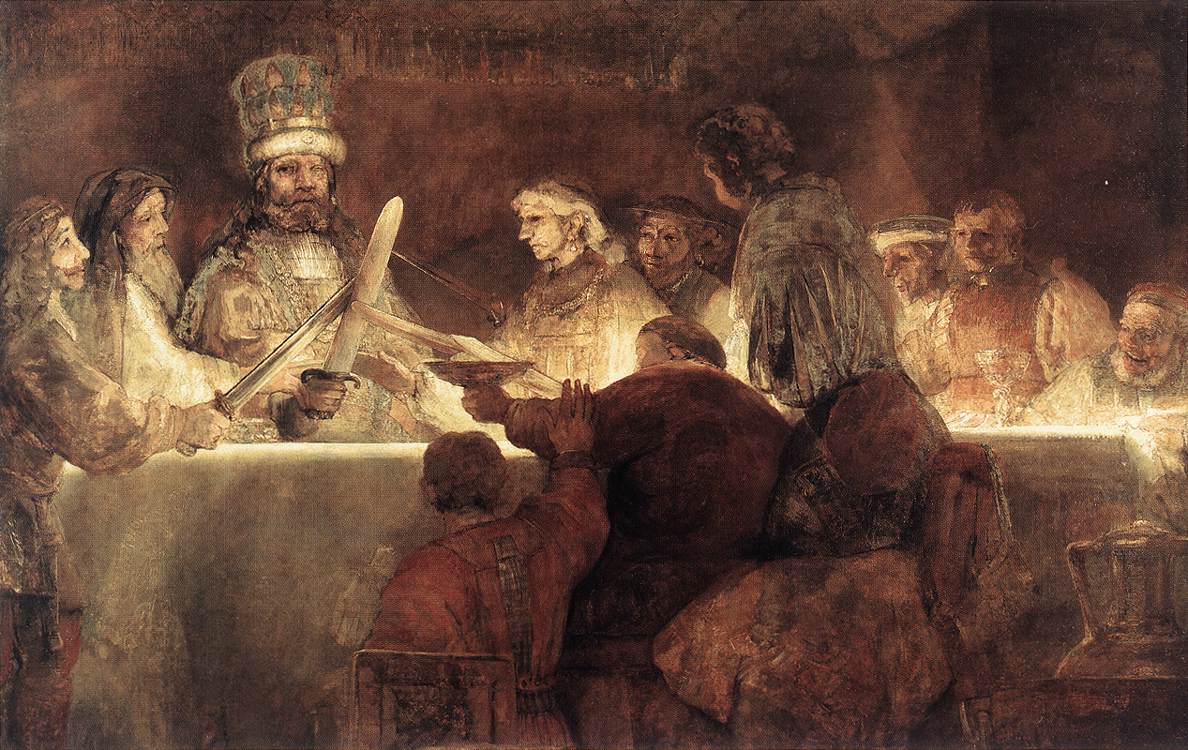 The Conspiration of the Bataves
1662
The Conspiration of the Bataves
1662
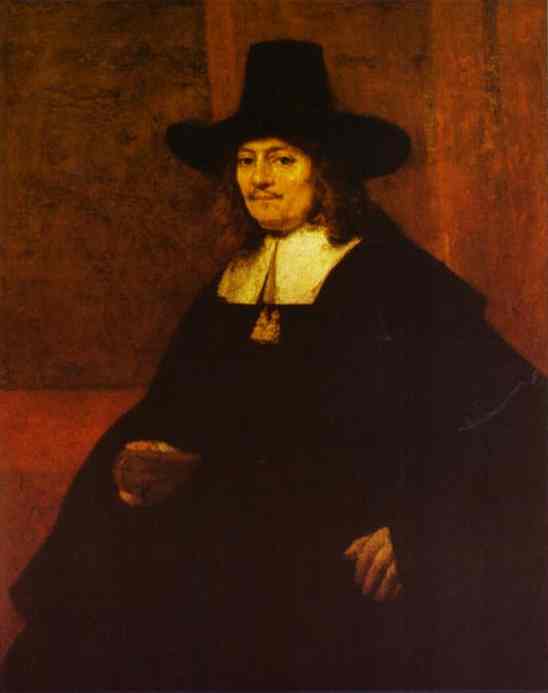 Portrait of a Man in a Tall Hat
1662
Portrait of a Man in a Tall Hat
1662
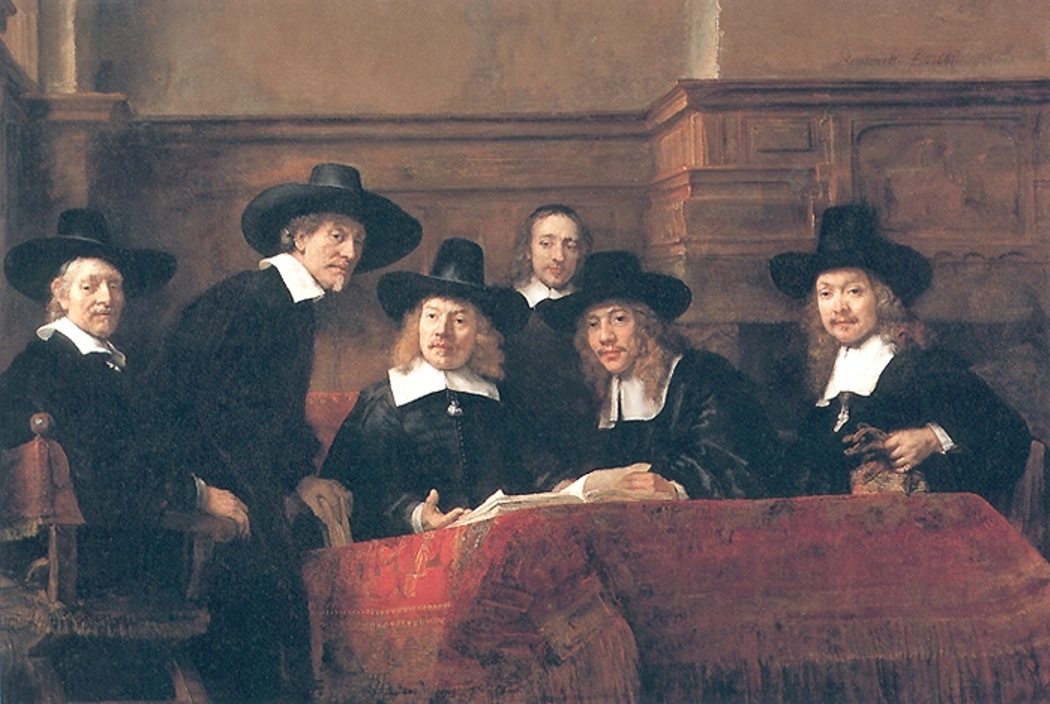 The Syndics
1662
The Syndics
1662
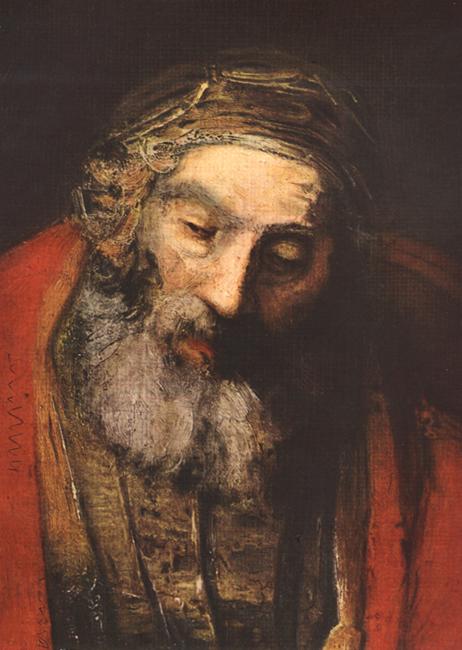 Return of the Prodigal Son(fragment)
1662
Return of the Prodigal Son(fragment)
1662
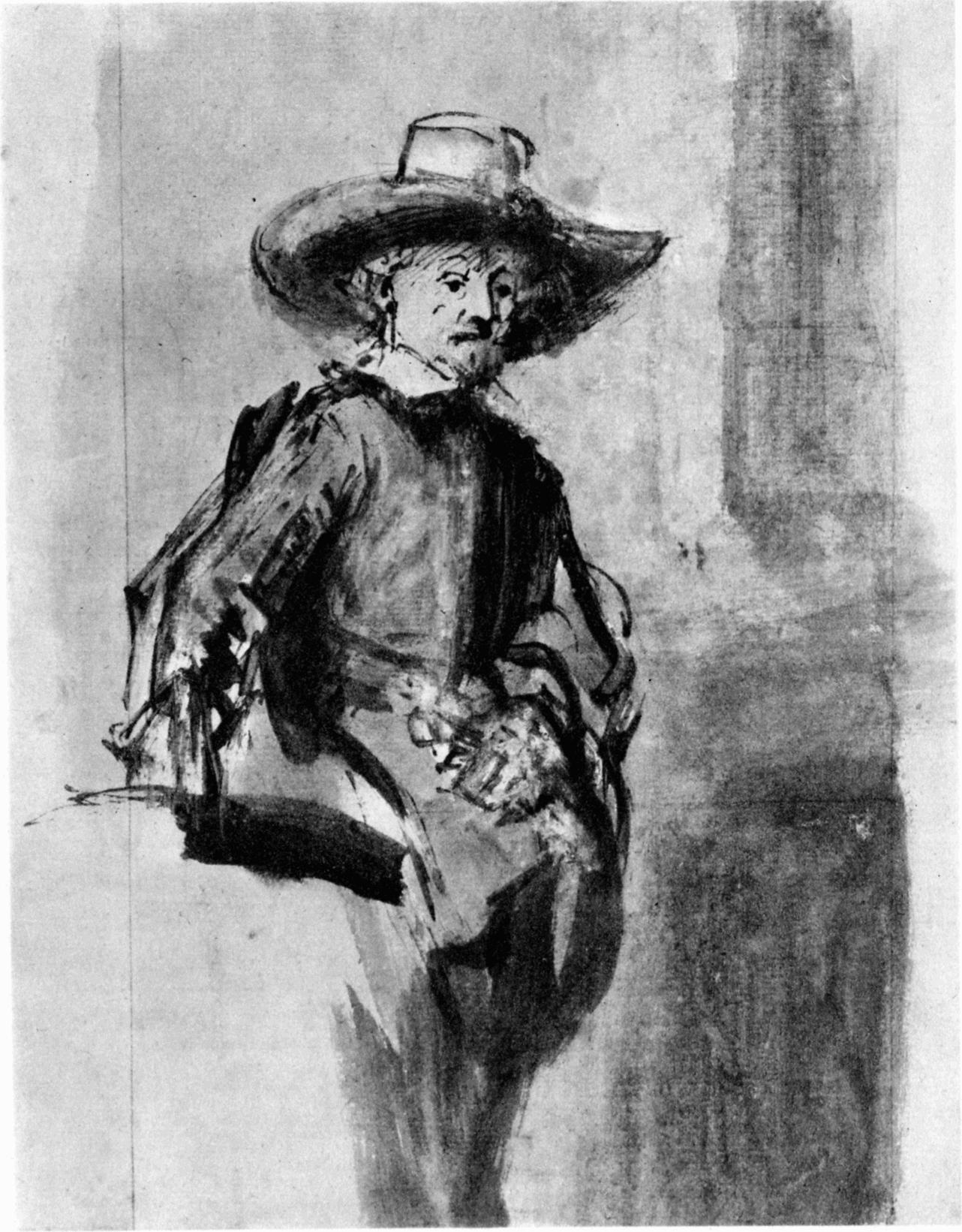 Study for one of the syndics of the Cloth Guild
1662
Study for one of the syndics of the Cloth Guild
1662
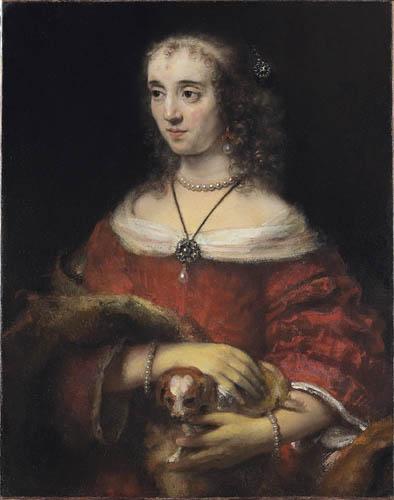 Portrait of a Woman with a Lapdog
1662
Portrait of a Woman with a Lapdog
1662
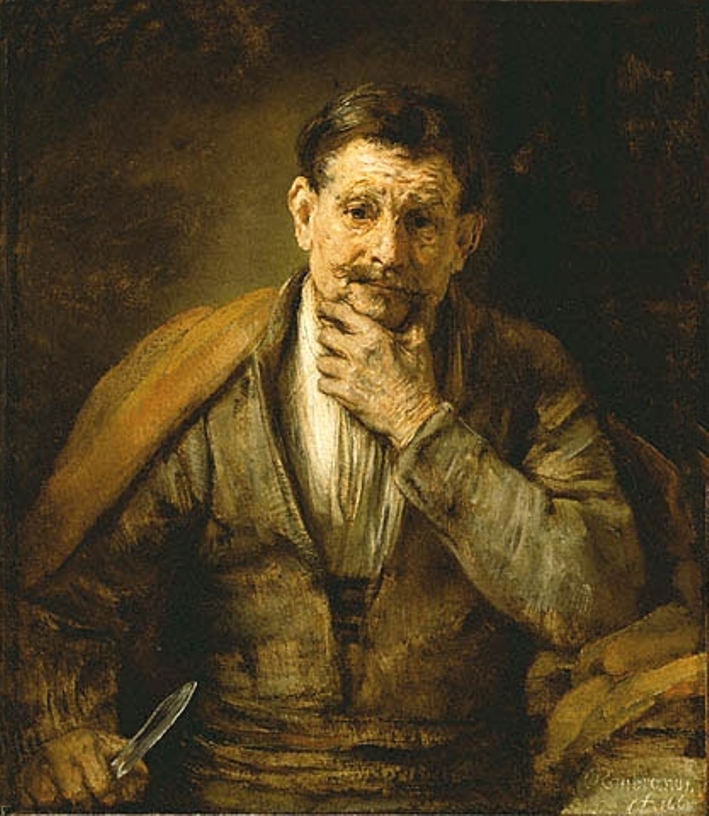 The Apostle Bartholomew
1661
The Apostle Bartholomew
1661