Leonardo da Vinci
Biografia
One of the most important and influential figures of the Renaissance was the painter, sculptor, architect and engineer, Leonardo Da Vinci – a man that epitomized the Renaissance humanist ideal. Born in 1452 in the town of Vinci, Leonardo began his early artistic training in Florence, working at the workshop of the sculptor Andrea Verrocchio. There, he received a multifaceted training in painting, sculpture and the technical-mechanical arts. Leonardo left Verrocchio’s workshop in 1476, and worked independently in Florence until 1481. Feeling stifled and dissatisfied in Florence, Leonardo decided to seek new challenges, and in 1482, he moved to Milan, where he would spend the next 17 years. One of his early commissions was the altar painting The Virgin of the Rocks (1483-1486) for the Confraternity of the Immaculate Conception. However, the parties got into a dispute over payment, and Leonardo sold the painting to someone else. After ten years of litigation, the confraternity persuaded Leonardo to paint a second version, The Virgin of the Rocks (1495-1508). During this first Milanese period (1482-1499), Leonardo completed six paintings, including the masterpiece, The Last Supper (1495), at the monastery of Santa Maria delle Grazie in Milan. He also worked for the Sforza family (the ruling family in Milan) on a monumental sculptural project: a huge equestrian monument honoring the founder of the Sforza dynasty, Francesco Sforza. Leonardo devoted 12 years to the project, creating a clay model of the horse and preparing to cast the 5-meter high figure. However, this great undertaking was never realized: in 1499 the French army invaded Milan and the Sforza family fell from power sealing the fate of the monument (the clay model made by Leonardo was destroyed during the war). With the political shift in Milan, Leonardo travelled around Italy before resettling in Florence. During his second period in Florence (1500-1508), he painted his most famous work, the Mona Lisa (ca. 1503-1519). By 1508, Leonardo returned to Milan, working for the French rulers of the city. In this period, he painted very little and instead focused on his scientific activity, specifically his study of anatomy. In 1513, the French were expelled from Milan, and forced to move, Leonardo went to Rome, where he spent the next three years. While in Rome, he received an invitation from French King, Francis I to enter his service in France. At 65, Leonardo accepted and bore the title of First painter, architect and engineer to the King. In his final years in France, he did little painting and mainly worked on his scientific studies and his treatise on painting. Leonardo Da Vinci died in 1519 in Cloux in France. Leonardo, one of the most revered painters of his time, remains among the most important figures in art history. However, it is important to note that his influence goes far beyond – from the drawings, scientific diagrams, and technical studies in his notebooks it is known that his scientific writings and mechanical inventions were centuries ahead of their time.
Obras no acervo
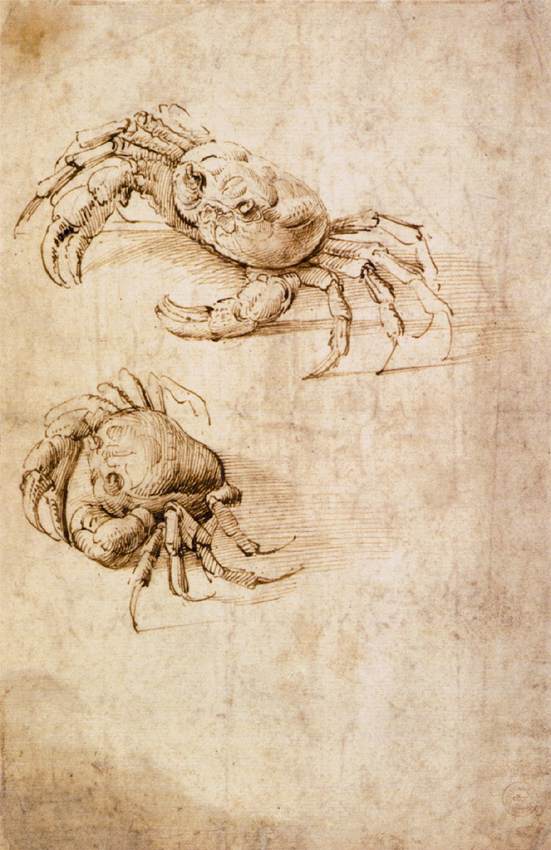 Studies of crabs
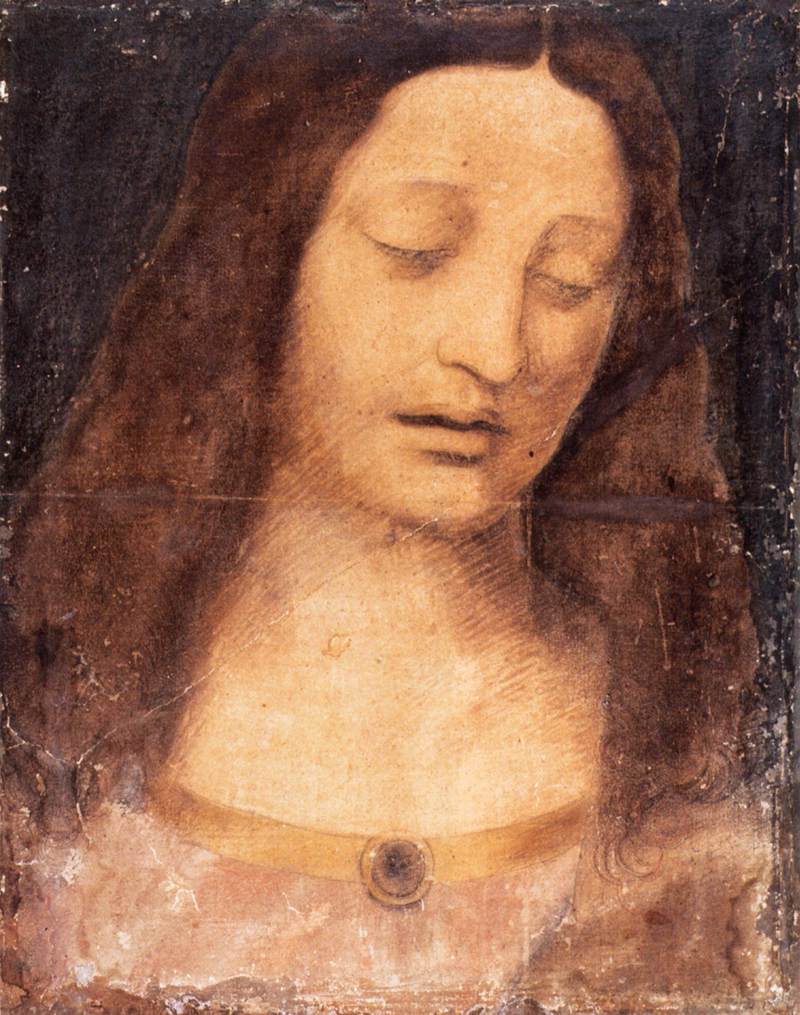 Head of Christ
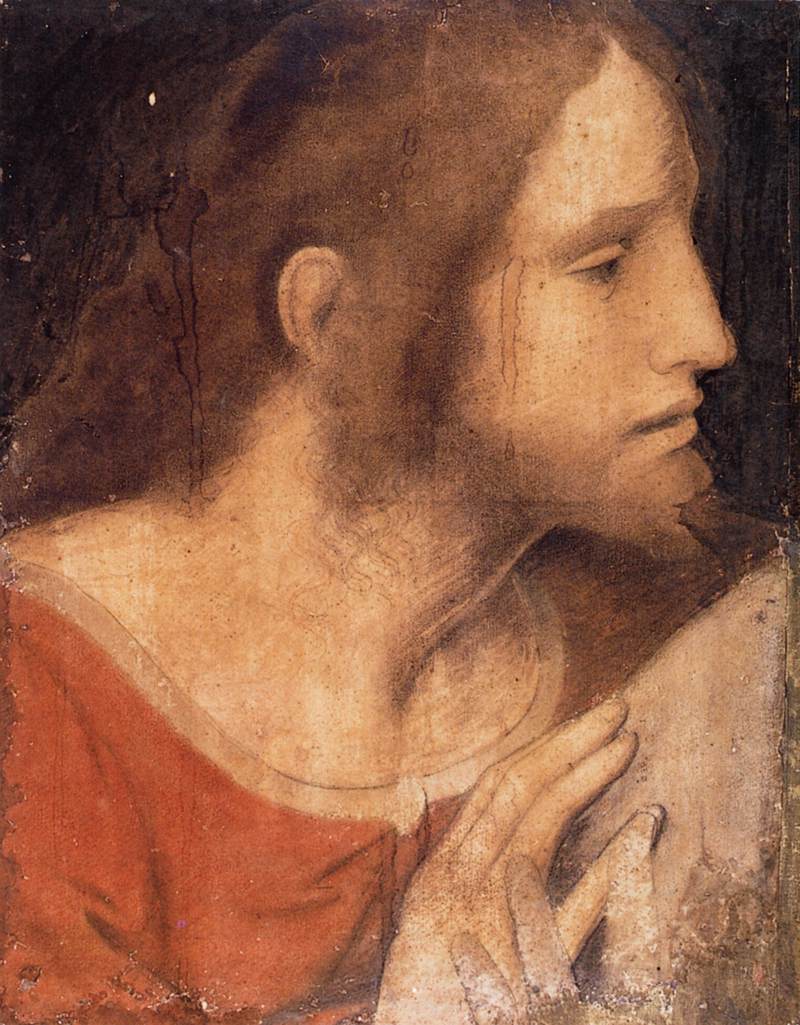 Head of St. James the Less
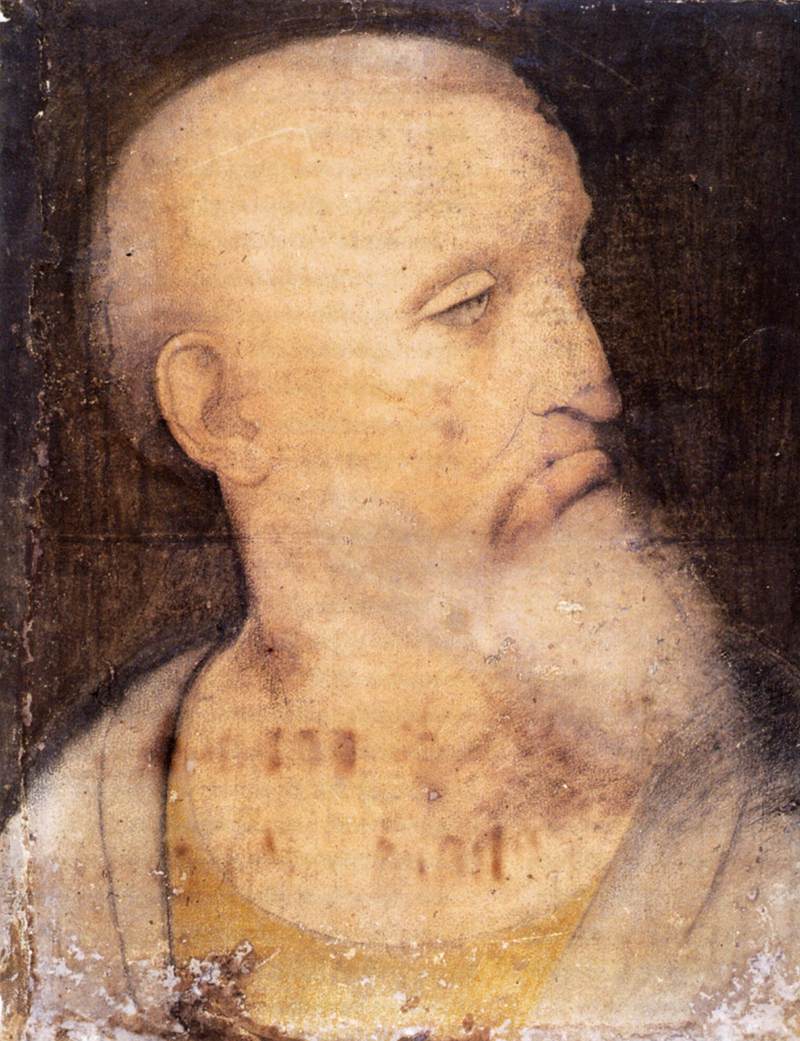 Head of St. Andrew
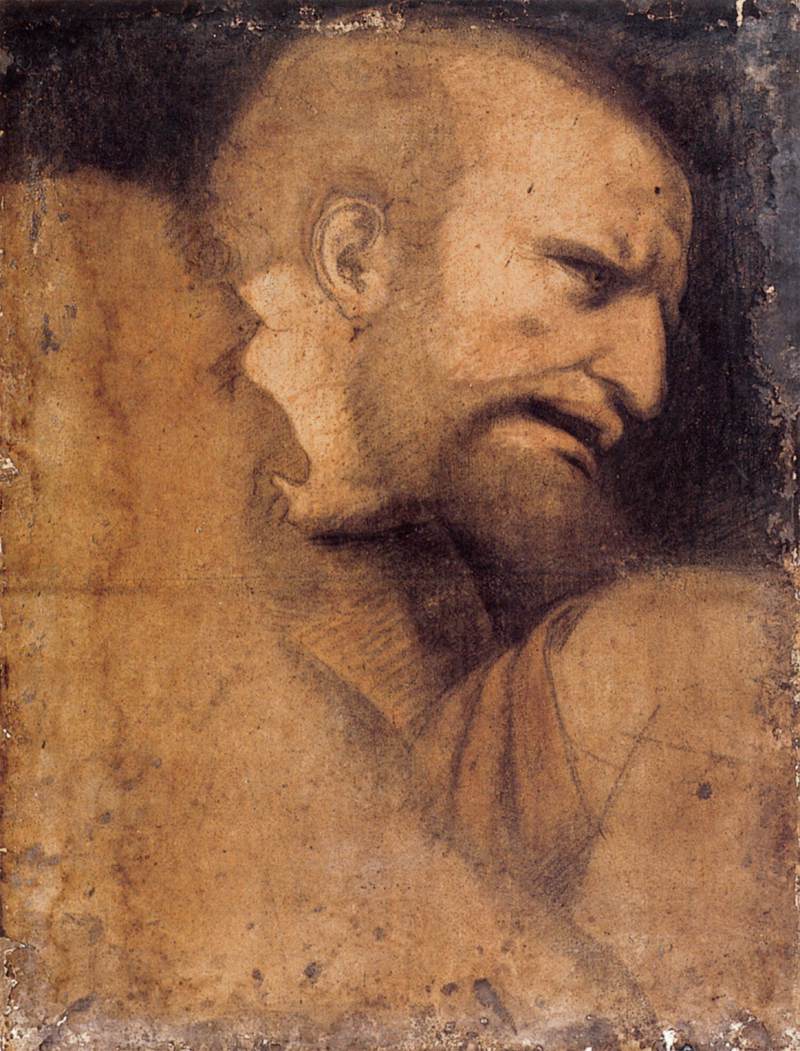 Head of St. Peter
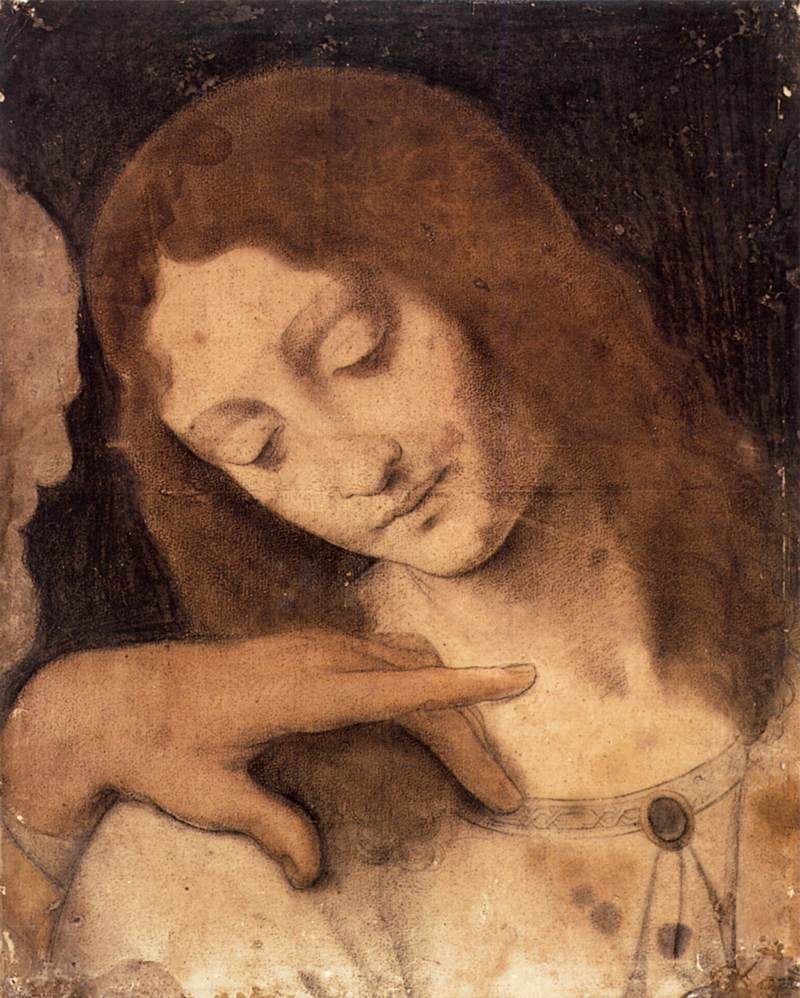 Head of St. John the Evangelist
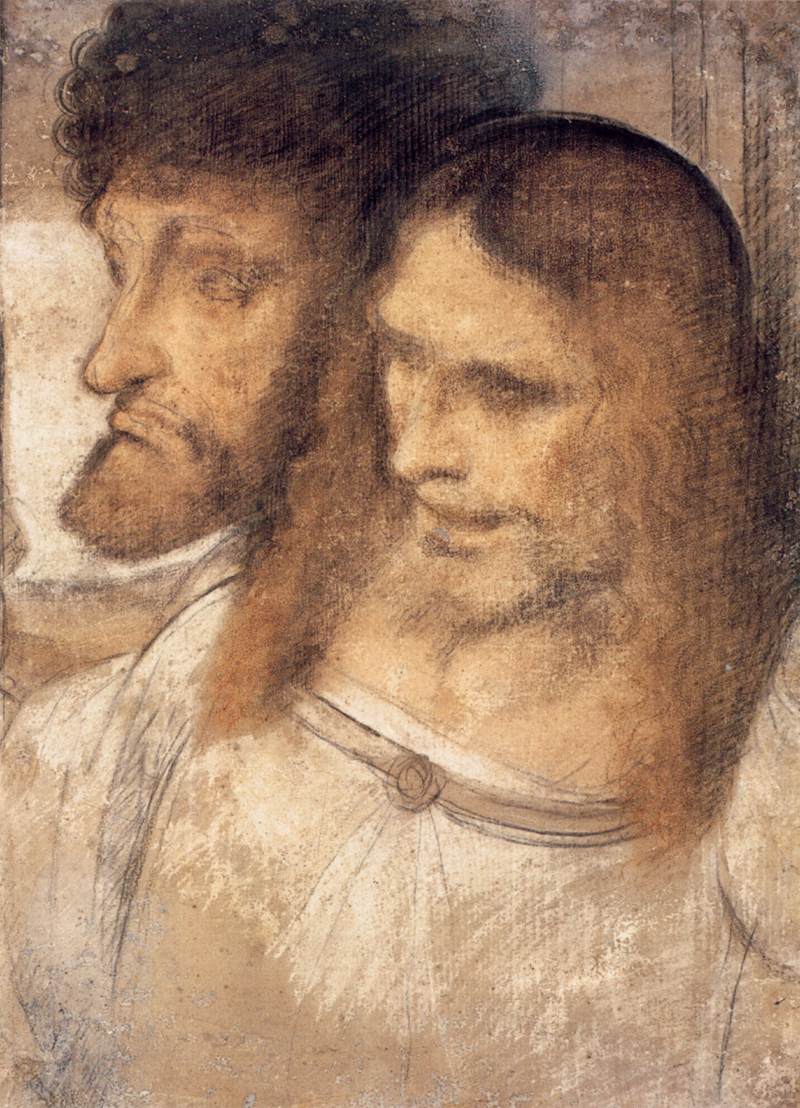 Heads of Sts Thomas and James the Greater
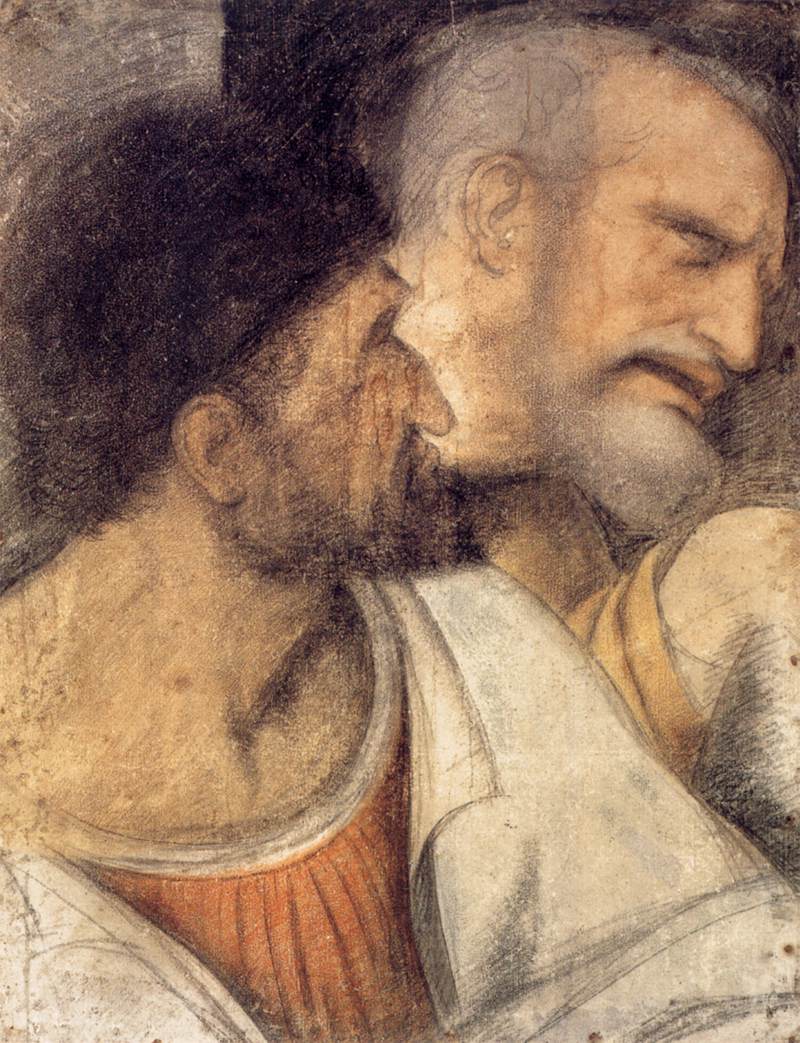 Heads of Judas and Peter
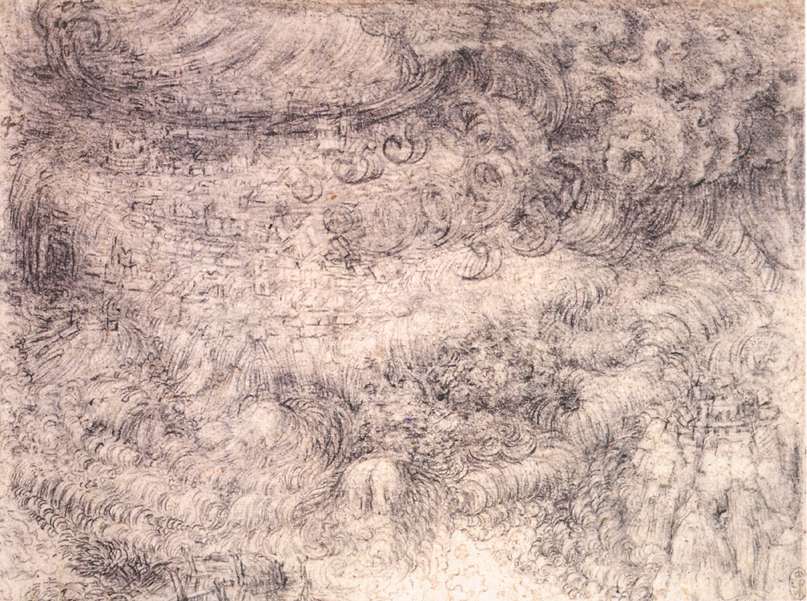 Deluge over a city
1517
Deluge over a city
1517
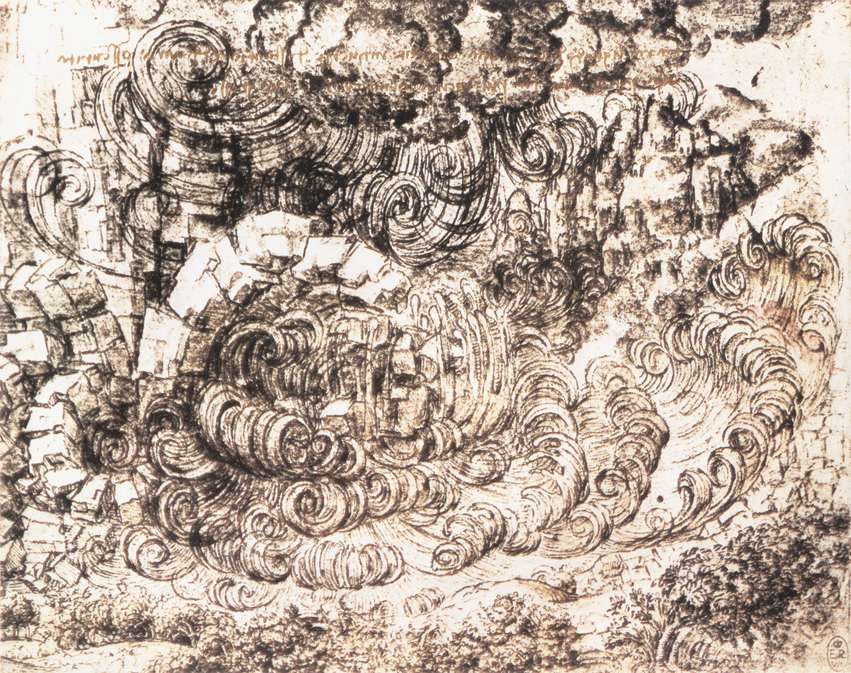 Natural disaster
1517
Natural disaster
1517
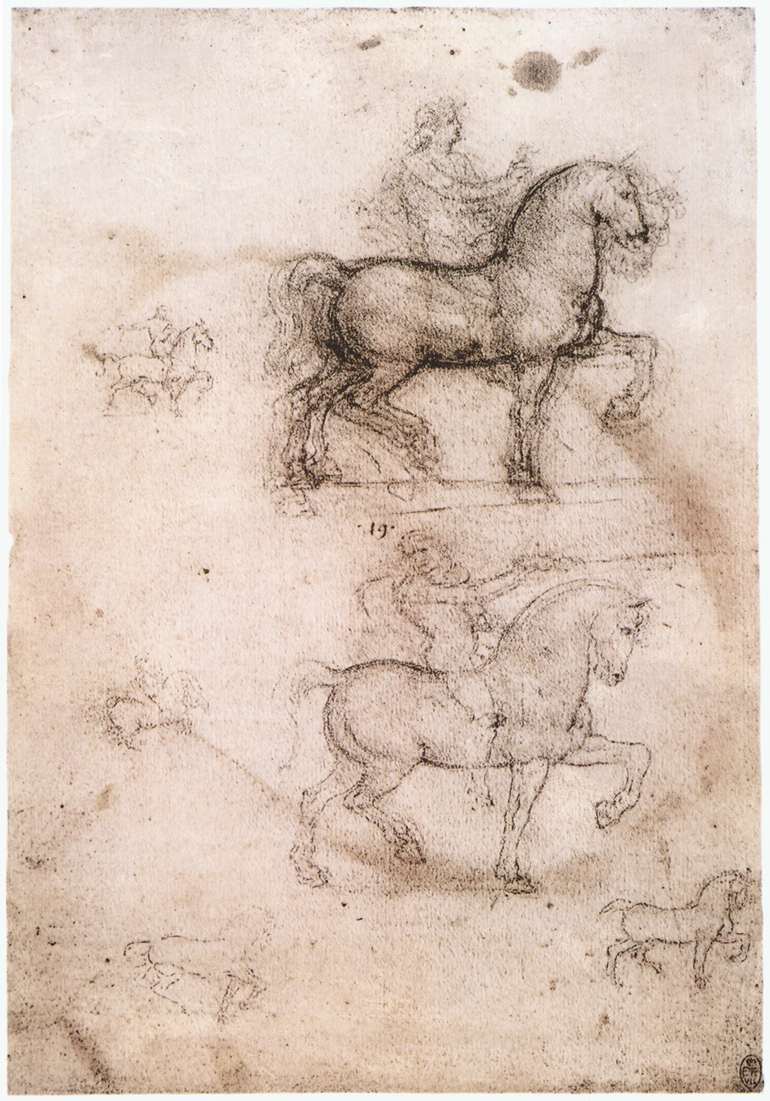 Equestrian monument
1517
Equestrian monument
1517
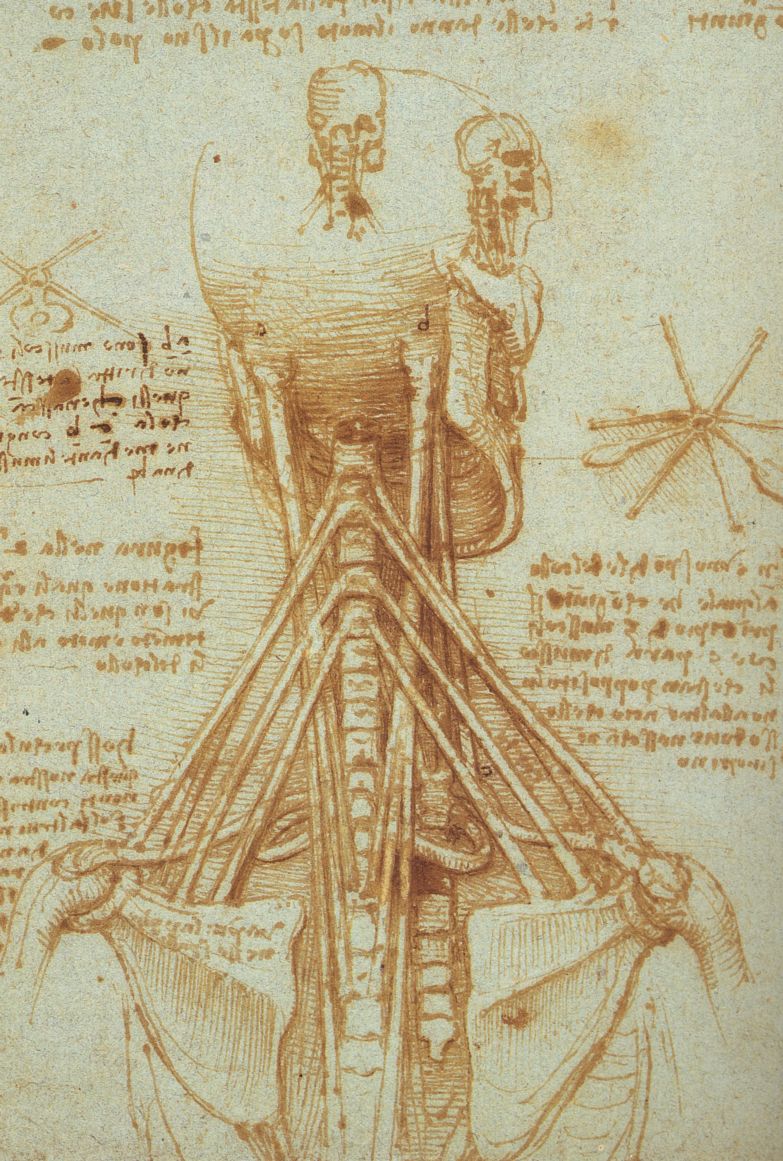 Anatomy of the Neck
1515
Anatomy of the Neck
1515
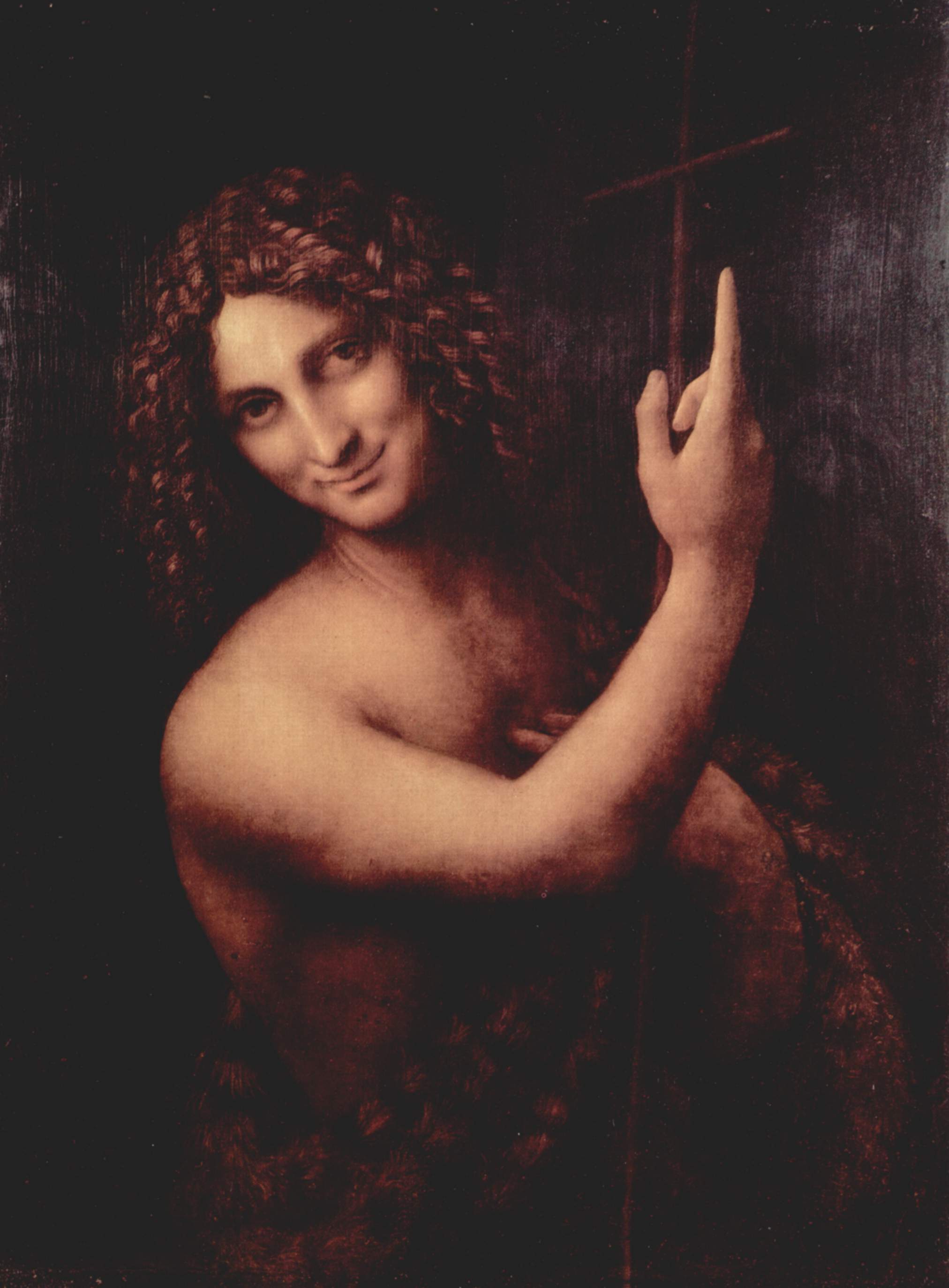 St. John the Baptist
1515
St. John the Baptist
1515
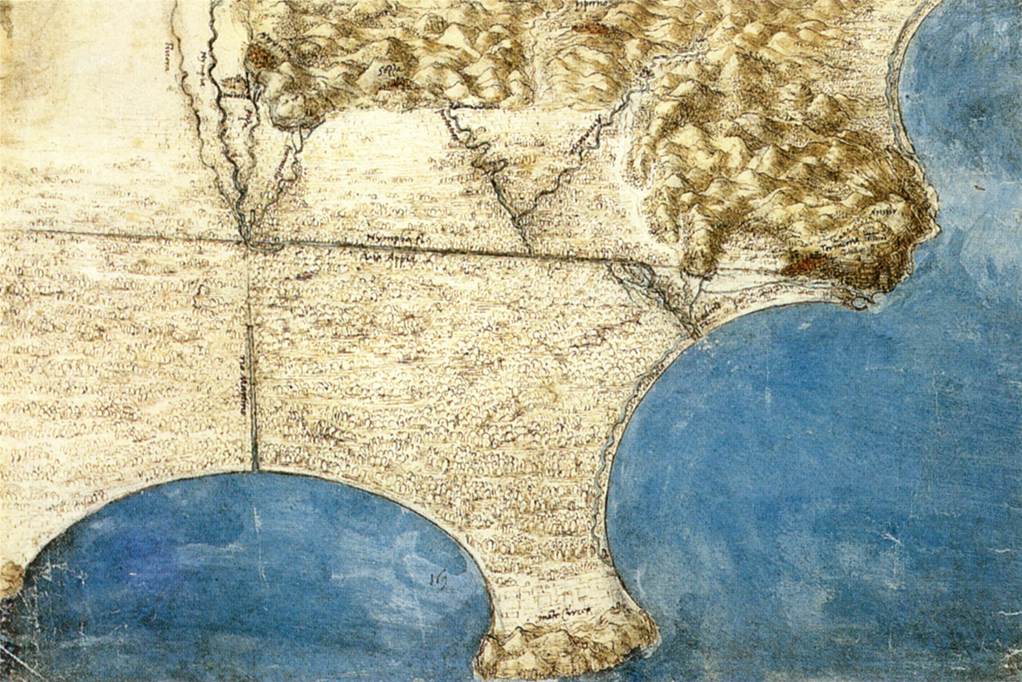 Bird's eye view of sea coast
1515
Bird's eye view of sea coast
1515
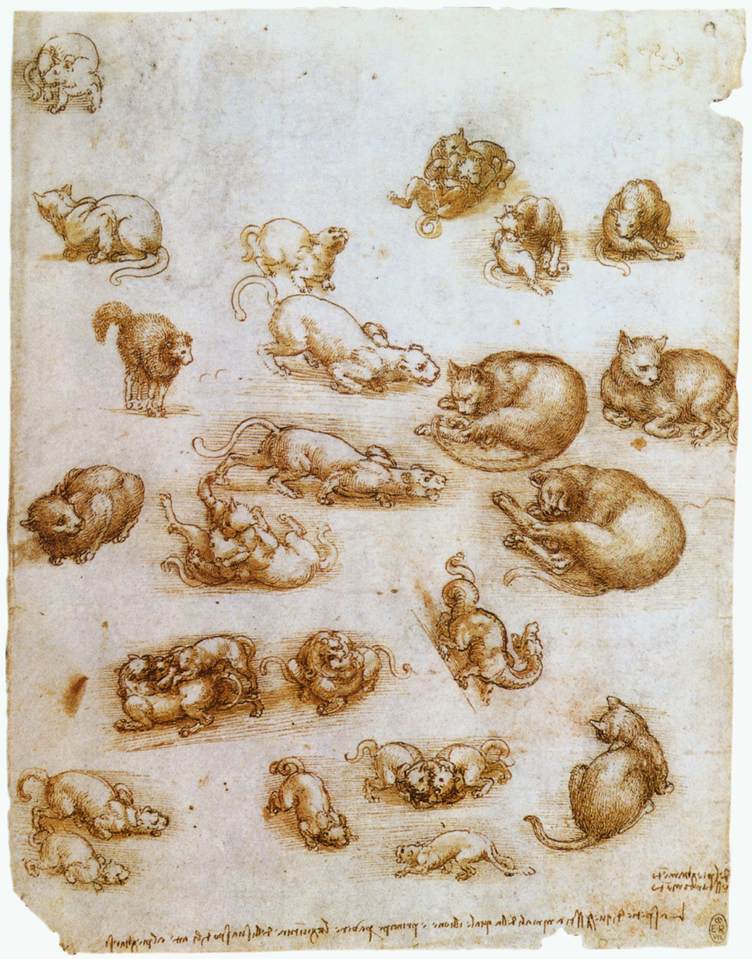 Study sheet with cats, dragon and other animals
1513
Study sheet with cats, dragon and other animals
1513
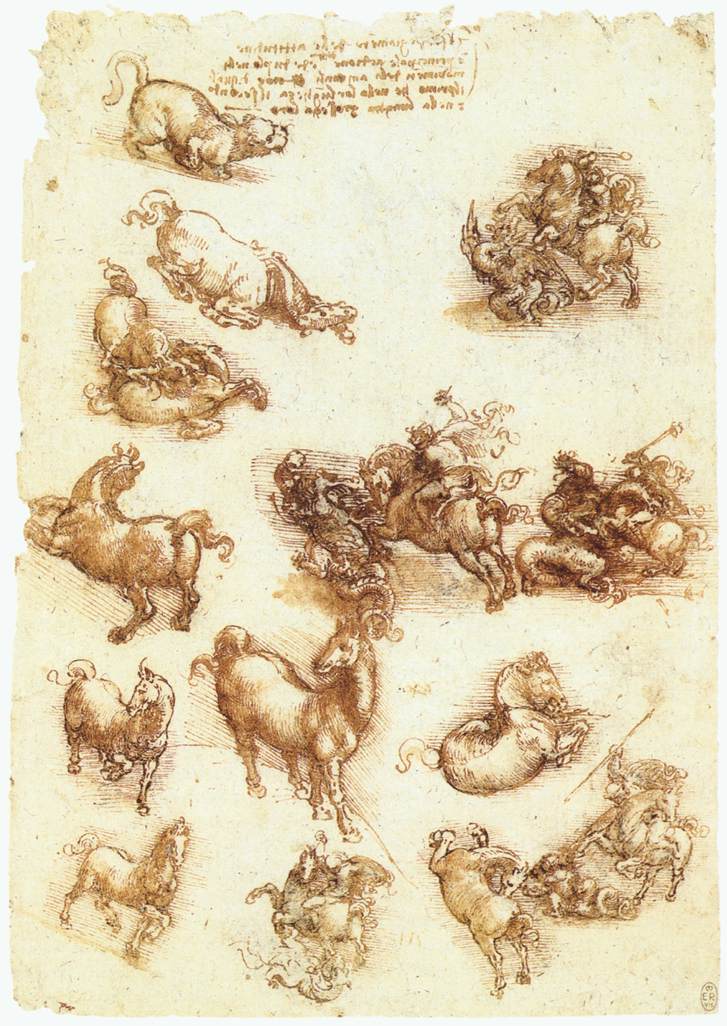 Study sheet with horses
1513
Study sheet with horses
1513
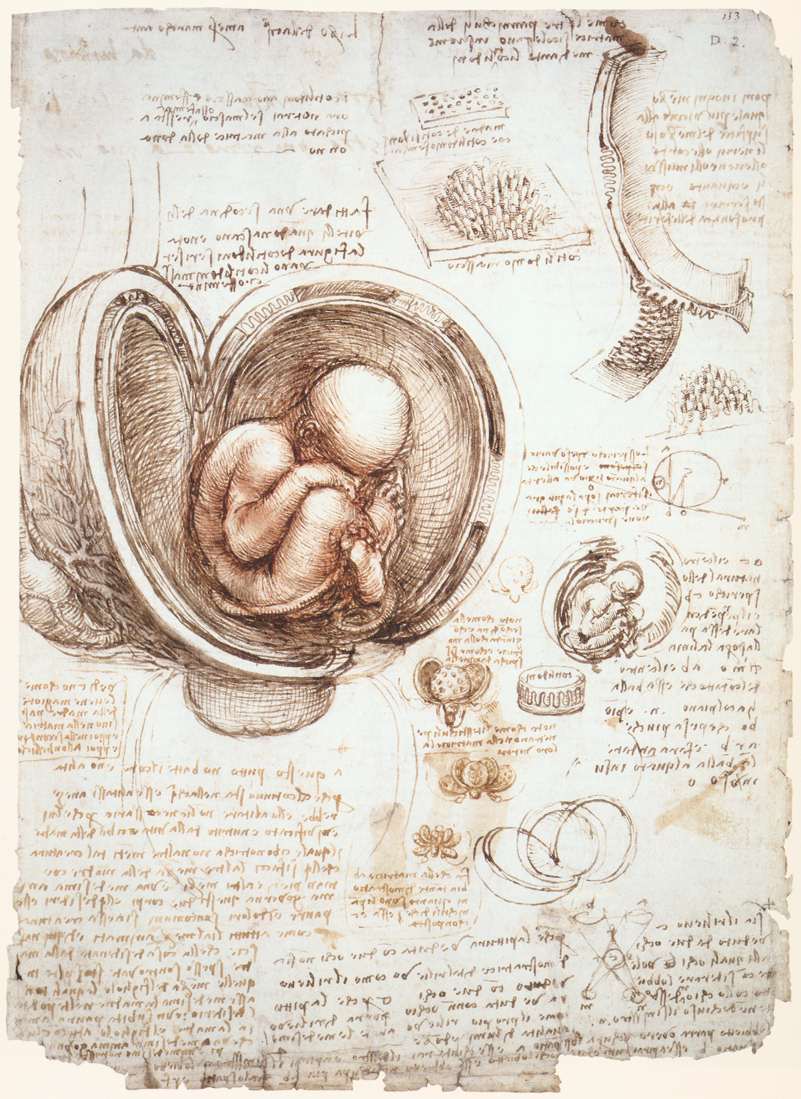 Studies of the foetus in the womb
1513
Studies of the foetus in the womb
1513
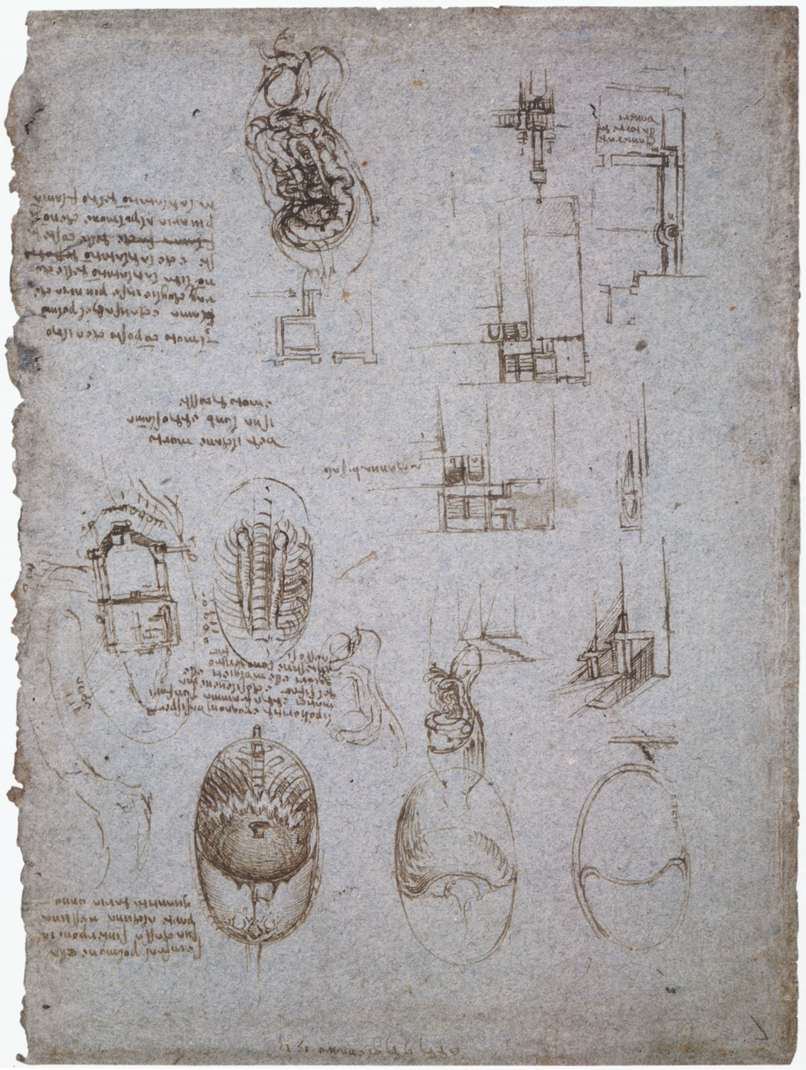 Studies of the Villa Melzi and anatomical study
1513
Studies of the Villa Melzi and anatomical study
1513
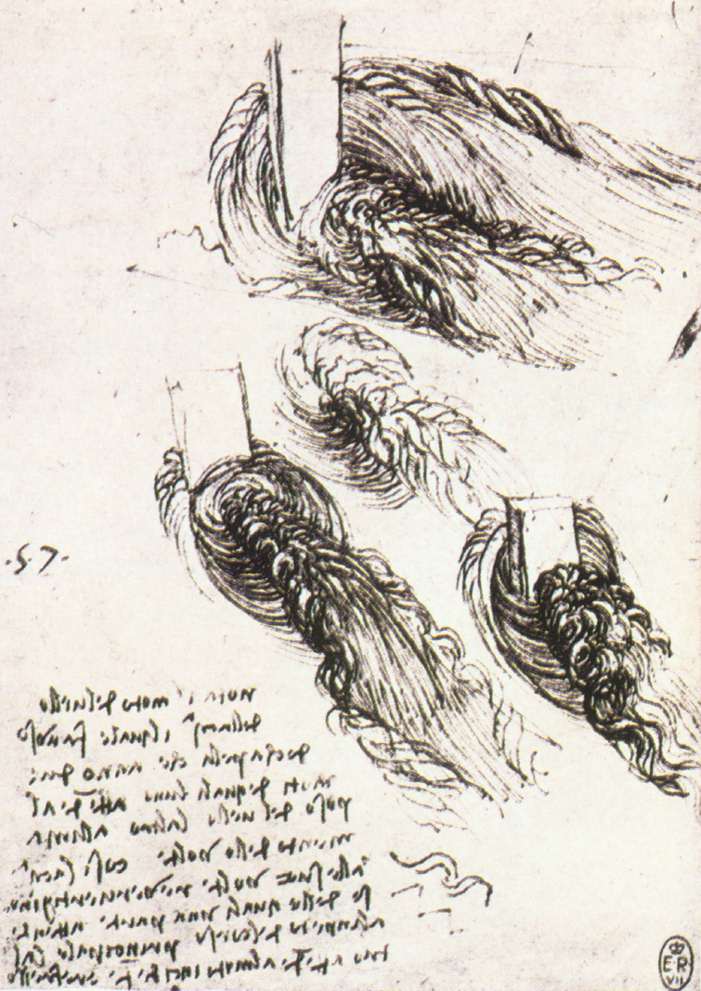 Study of water
1513
Study of water
1513
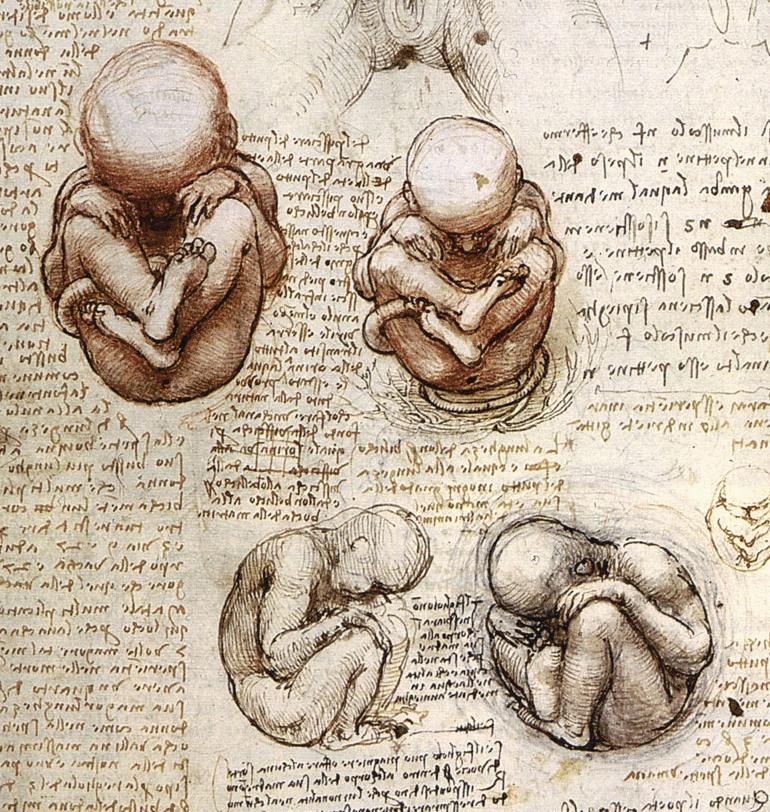 Views of a Foetus in the Womb.jpg
1510
Views of a Foetus in the Womb.jpg
1510
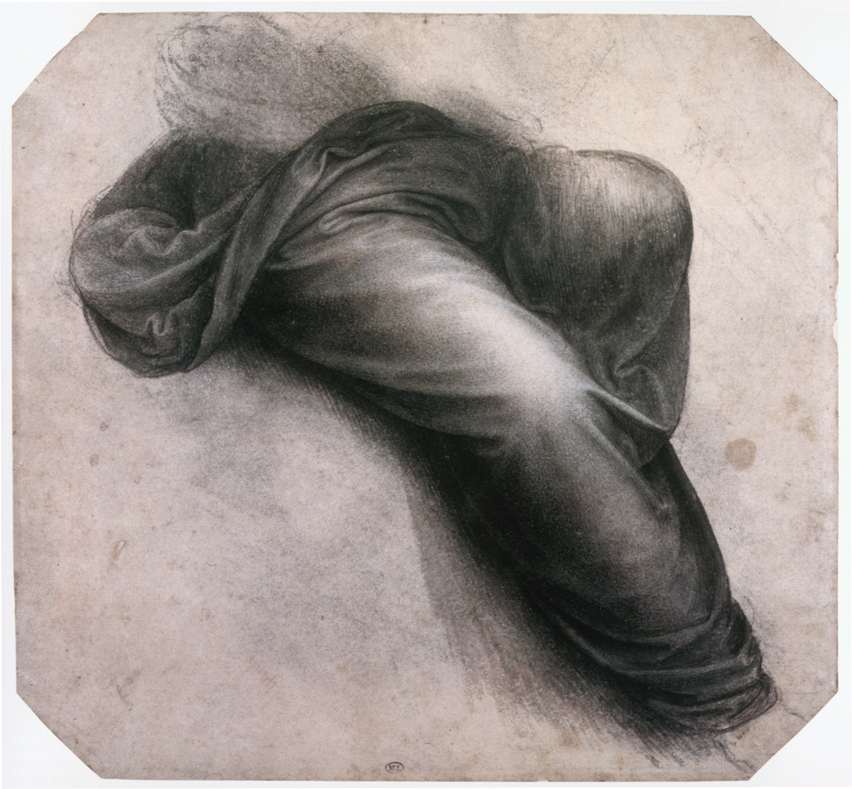 Study for Madonna and Child with St. Anne
1510
Study for Madonna and Child with St. Anne
1510
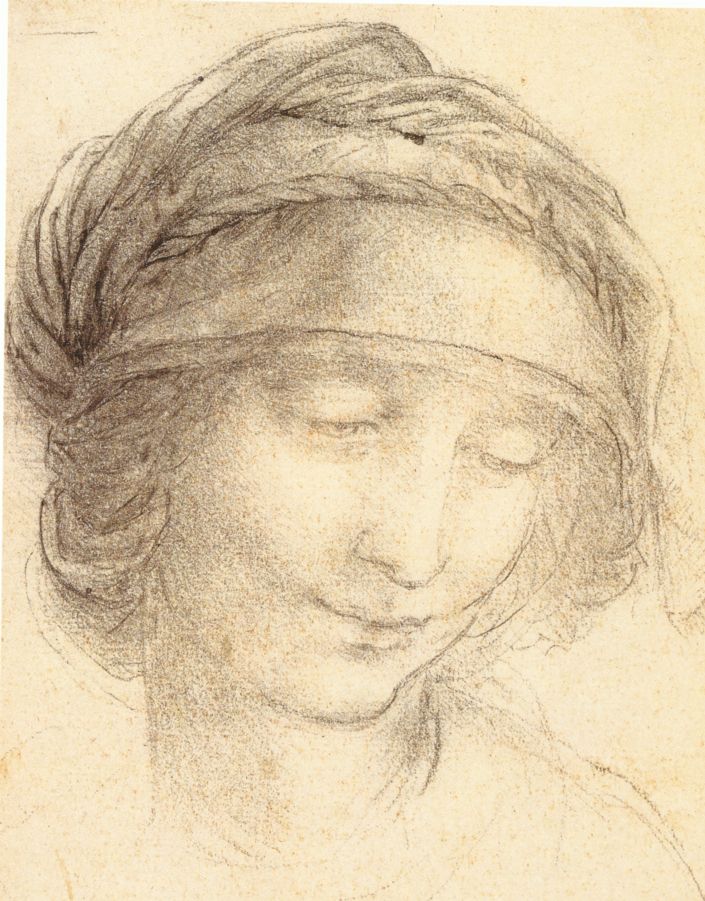 Head of Saint Anne
1510
Head of Saint Anne
1510
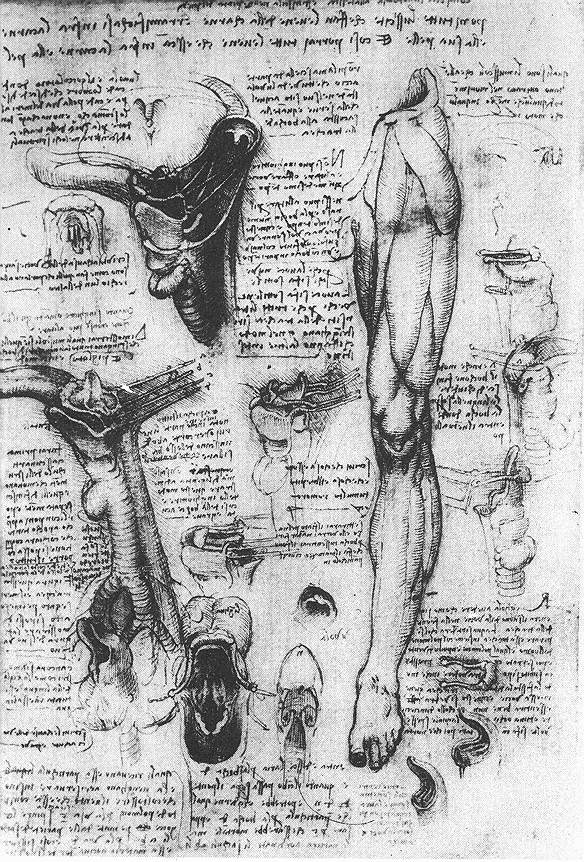 Anatomical studies (larynx and leg)
1510
Anatomical studies (larynx and leg)
1510
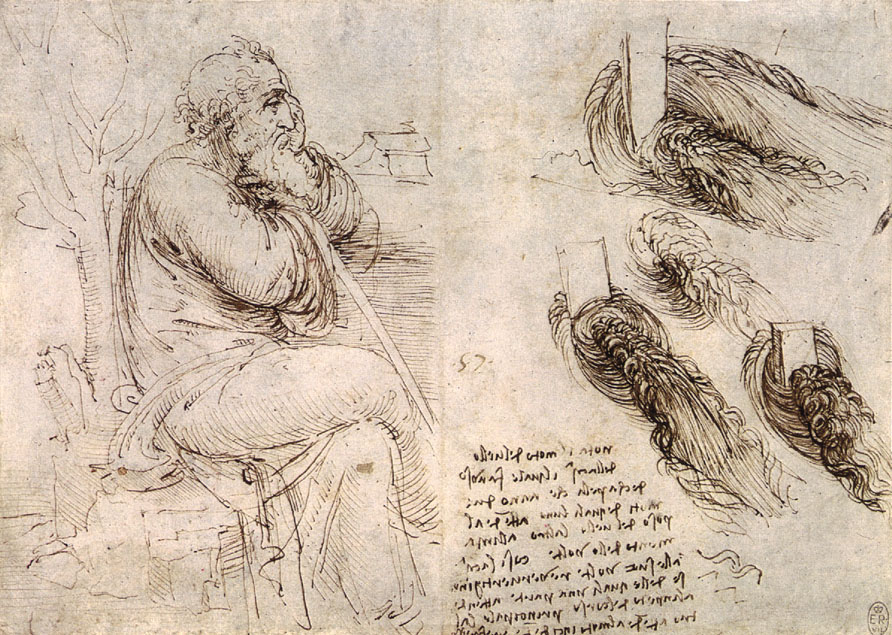 A seated man, and studies and notes on the movement of water
1510
A seated man, and studies and notes on the movement of water
1510