Jackson Pollock
Expressionismo abstratoBiografia
Deemed the “greatest painter alive” during his lifetime, Jackson Pollock was an American painter who was a major artist abstract expressionist art in the 20th century. Pollock was expelled from two high schools during his formative years, the second one being Los Angeles Manual Arts School, where he was encouraged to pursue his interest in art. In 1930, he moved to New York to study art, and secured a job under the WPA Federal Art Project, a New Deal project, which allowed him to earn a living from his painting. As he was gaining professional and social success, Pollock fought the addiction of alcoholism and recurring bouts of depression. Two of his brothers suggested Jungian psychotherapy, with Dr. Joseph Henderson, who encouraged Pollock in his artistic endeavors as part of his therapy. Although the psychotherapy did not cure his drinking, it did expose him to Jungian concepts, which he expressed in his paintings at the time. In 1945, Pollock moved with his wife and American painter Lee Krasner to Springs, New York, where he would remain the rest of his life. In the barn behind the house, which he converted to his studio, Pollock developed a new and completely novel technique of painting using what he called his “drip” technique. Using hardened brushes, sticks, and turkey basters, and household enamel paints, Pollock squirted, splashed, and dripped his paint onto canvas rolled out over his studio floor. In 1956, Time magazine gave Pollock the name “Jack the Dripper,” referencing his unique style of action painting. Recent studies by art historians and scientists have determined that some of Pollock’s work display properties of mathematical fractals, asserting that his works became more fractal-like throughout his career. In his later paintings, Pollock reduced the titles of all of his paintings to numbers, in order to reduce the viewers attempt to indentify any representational element in his paintings. Pressured by his growing fame and demand from art collectors, Pollock’s alcoholism worsened. In August of 1956, while driving under the influence of alcohol, he was involved in a single–car accident, killing himself and one of his passengers. Pollock’s legacy was secured by his widow, Lee Krasner, who managed his estate after his death. His legacy includes a number of references in social media, including songs, poems, books, and documentaries, and the feature film biopic Pollock, directed by and starring Ed Harris.
Obras no acervo
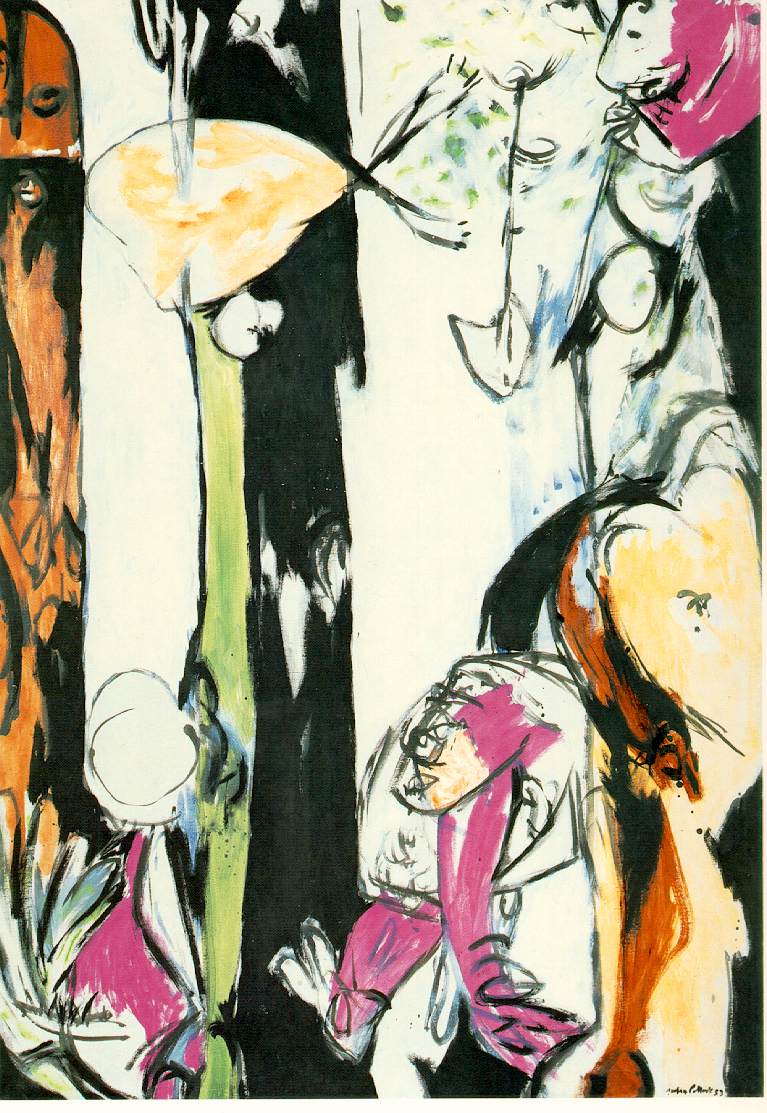 Easter and the Totem
1953
Easter and the Totem
1953
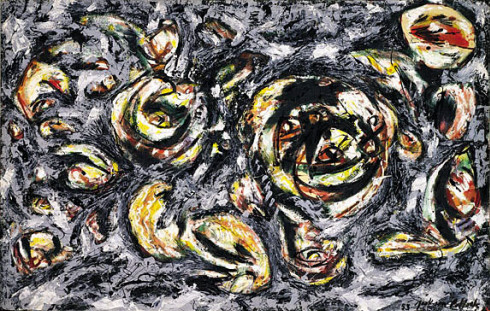 Ocean Greyness
1953
Ocean Greyness
1953
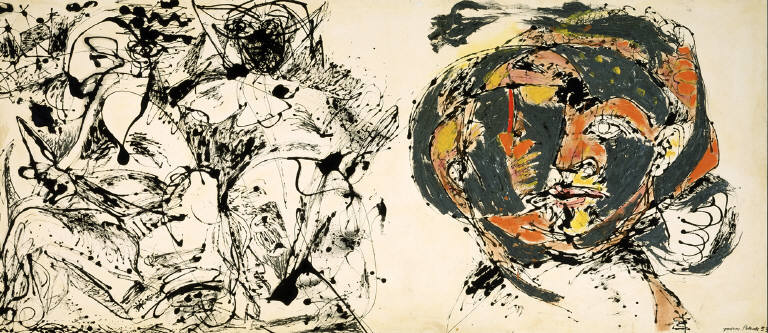 Portrait and a Dream
1953
Portrait and a Dream
1953
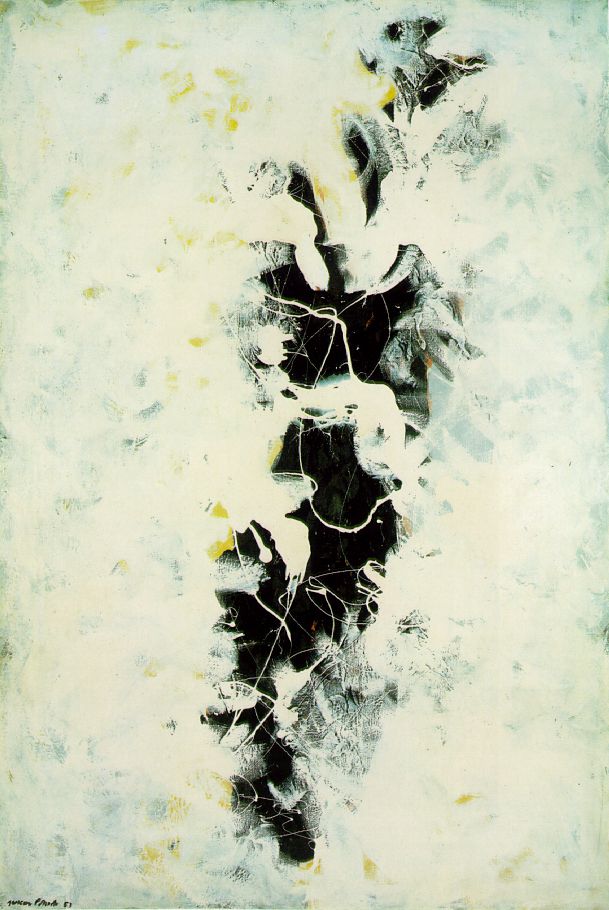 The Deep
1953
The Deep
1953
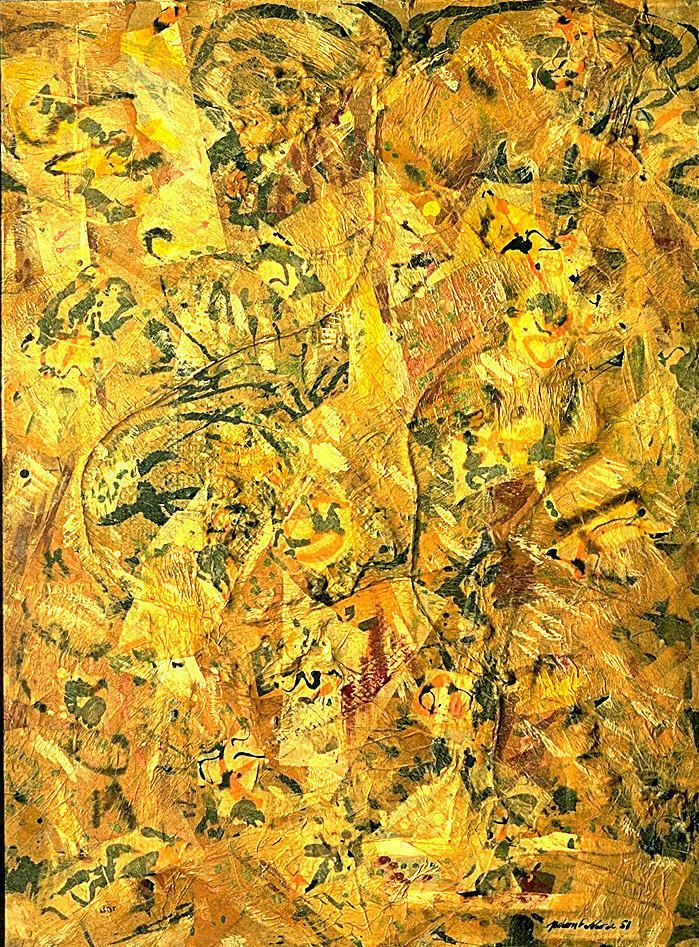 Number 2
1951
Number 2
1951
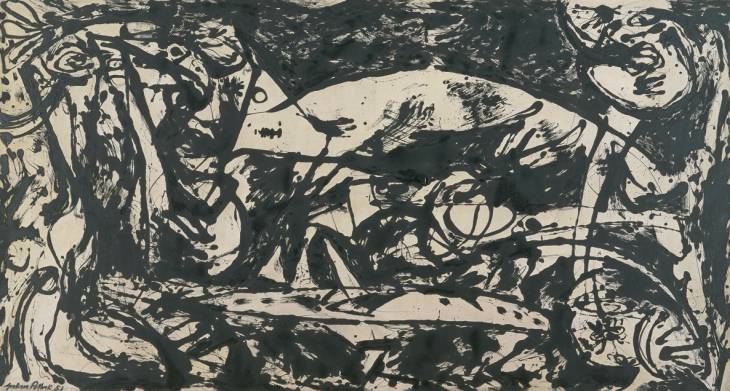 Number 14
1951
Number 14
1951
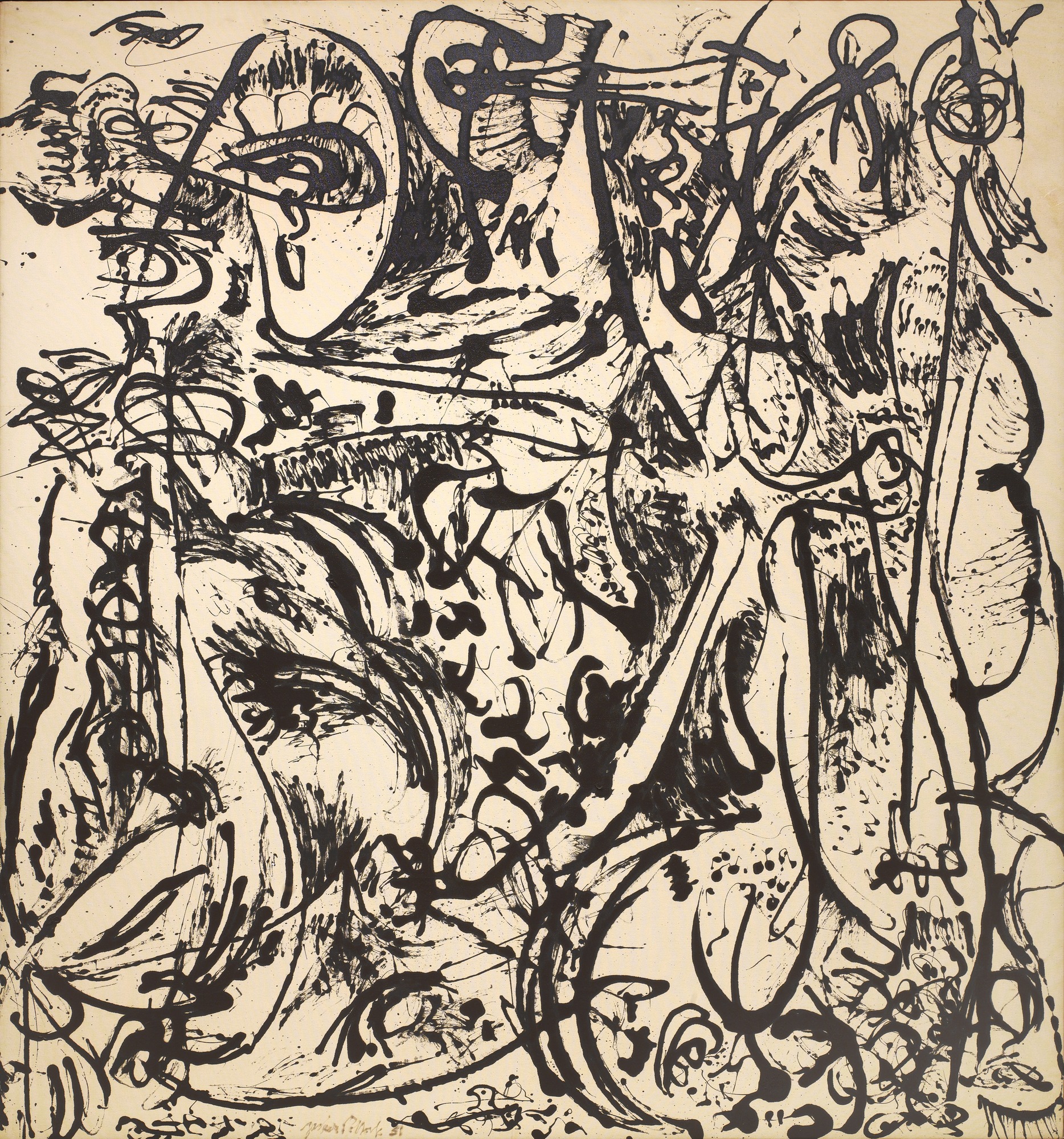 Echo (Number 25)
1951
Echo (Number 25)
1951
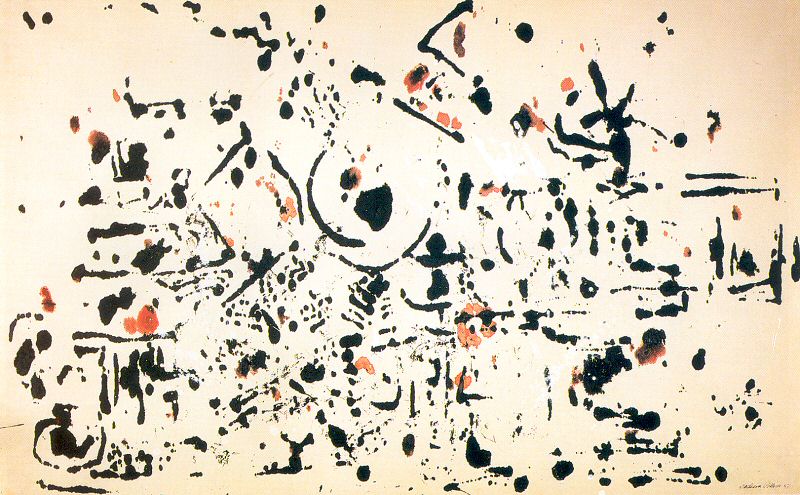 Untitled
1951
Untitled
1951
 Number 48
1949
Number 48
1949
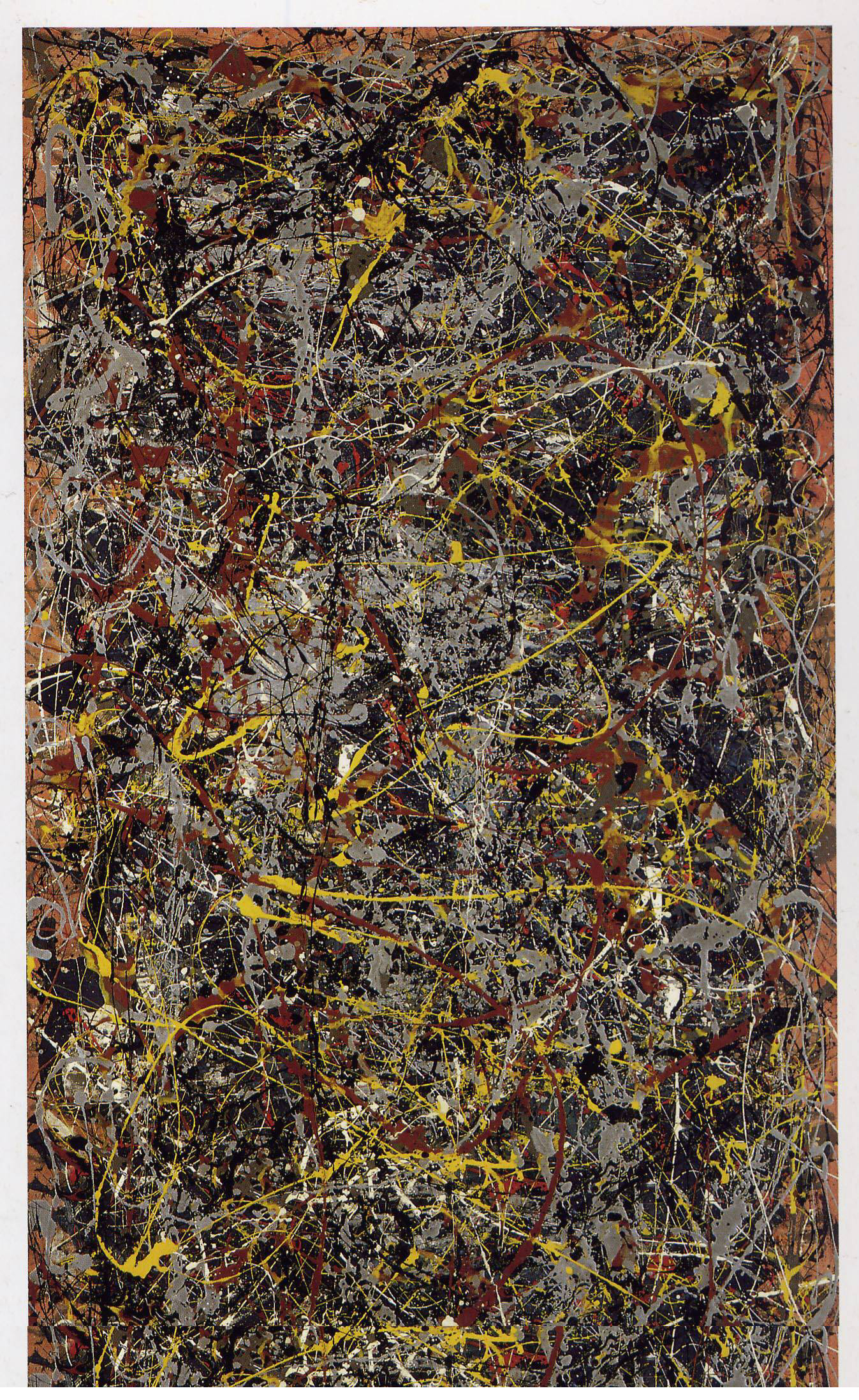 Number 5
1948
Number 5
1948
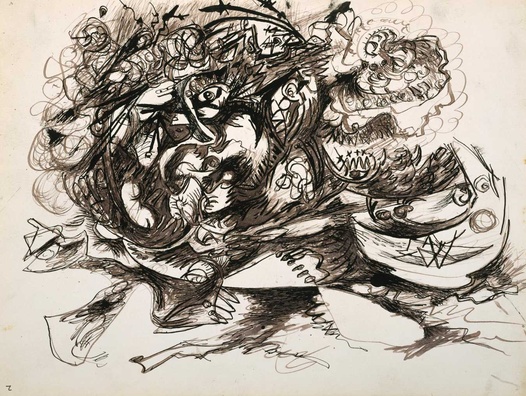 Untitled (O'Connor-Thaw 771)
1946
Untitled (O'Connor-Thaw 771)
1946
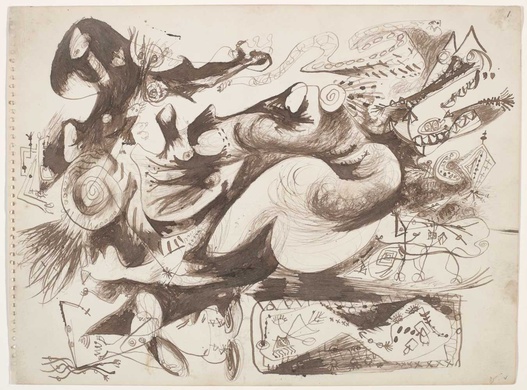 Untitled (O'Connor-Thaw 770)
1946
Untitled (O'Connor-Thaw 770)
1946
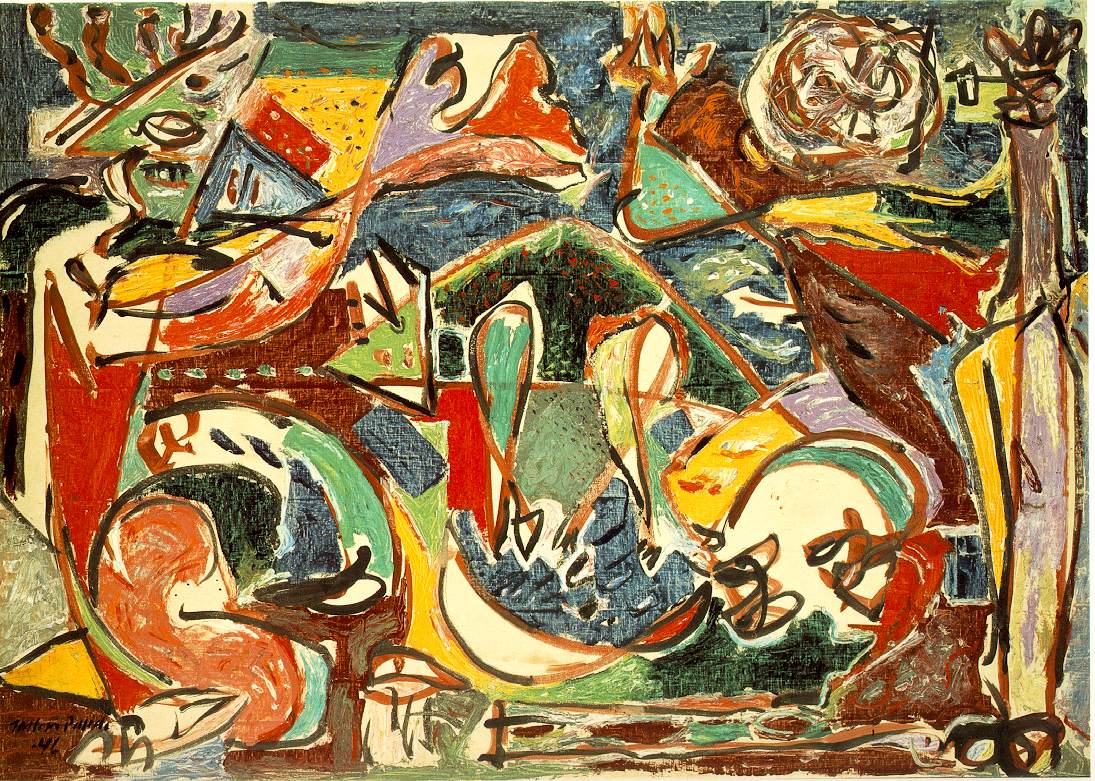 The key
1946
The key
1946
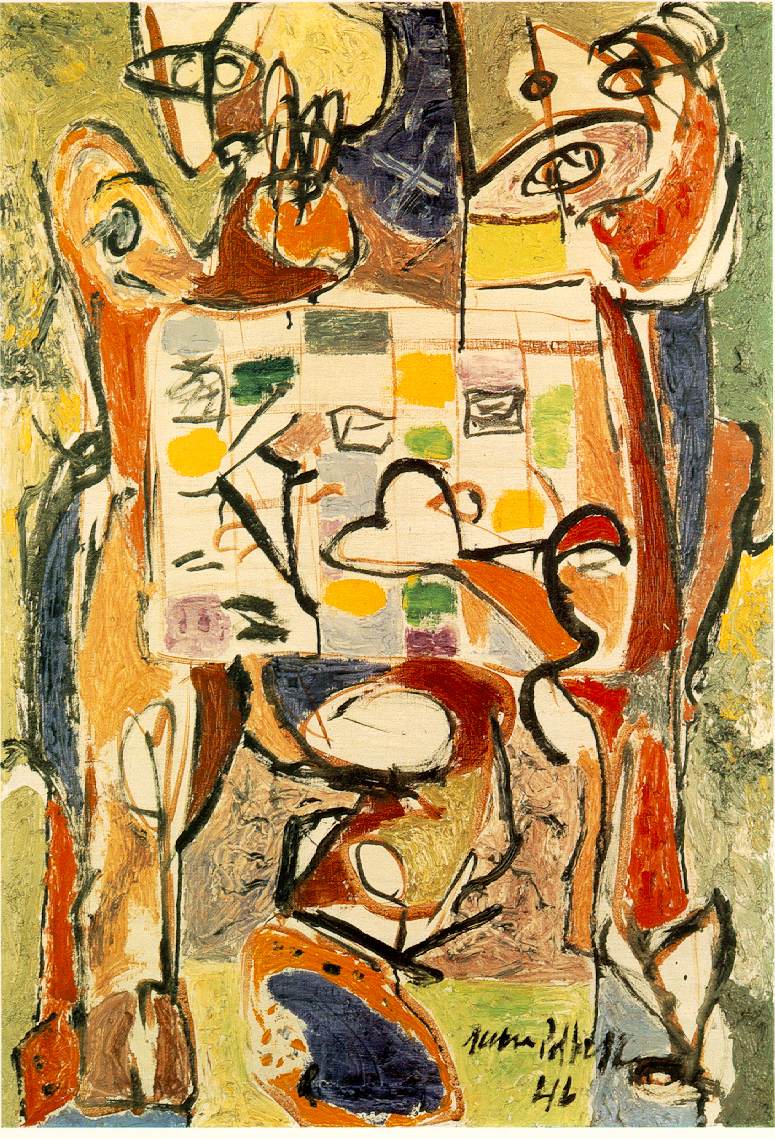 The Tea Cup
1946
The Tea Cup
1946
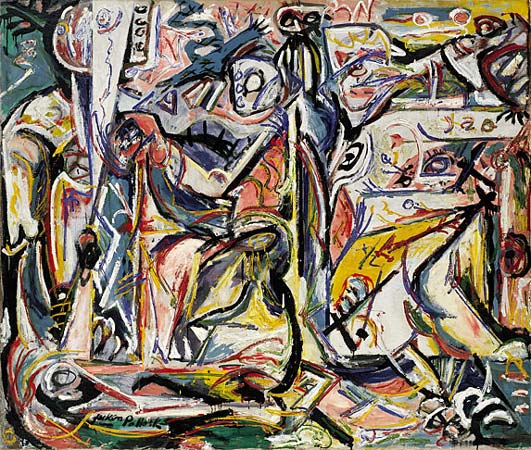 Circumcision January
1946
Circumcision January
1946
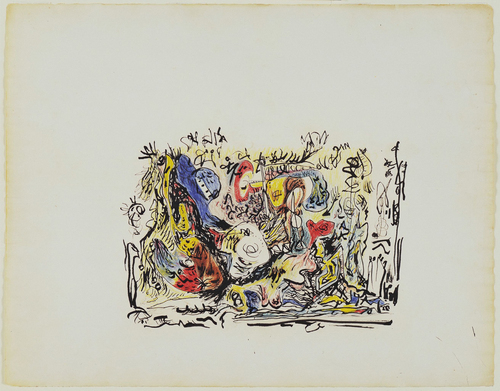 Untitled
1945
Untitled
1945
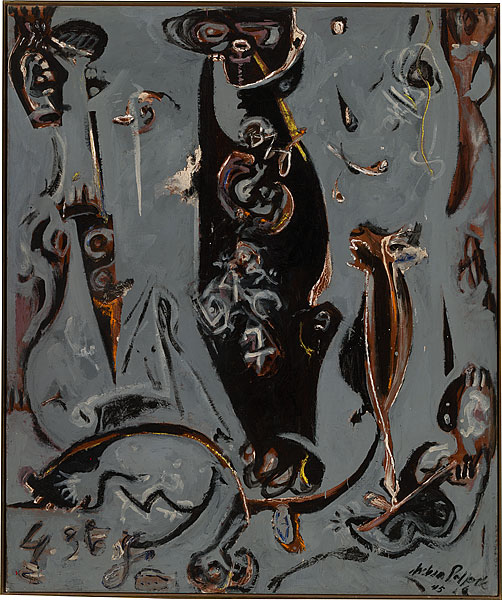 Totem Lesson 2
1945
Totem Lesson 2
1945
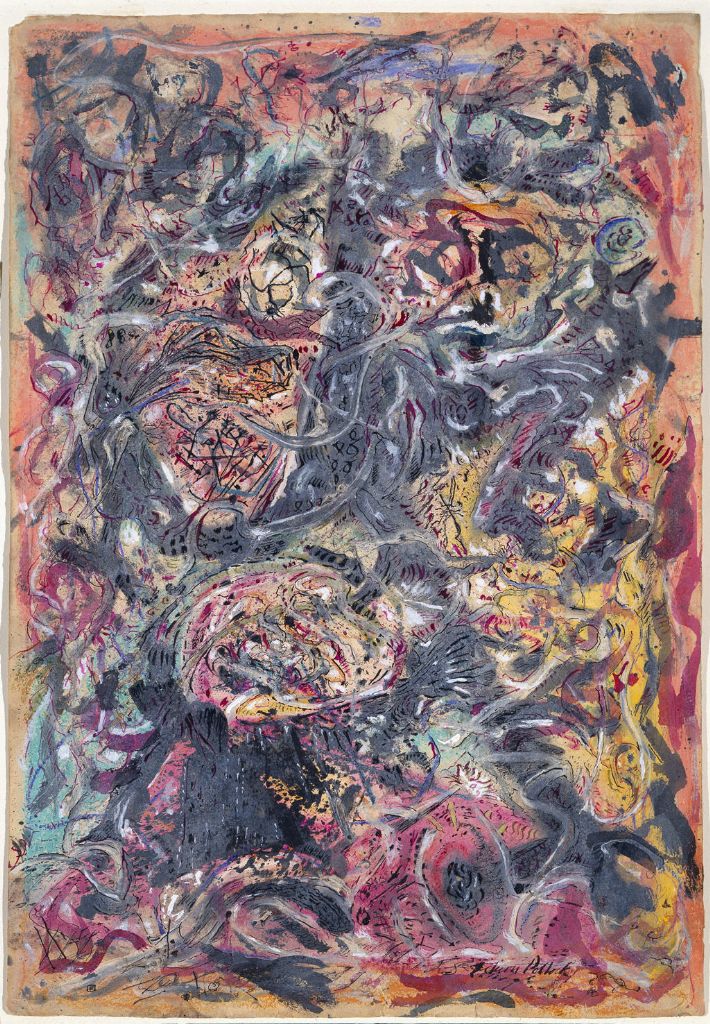 Pattern
1945
Pattern
1945
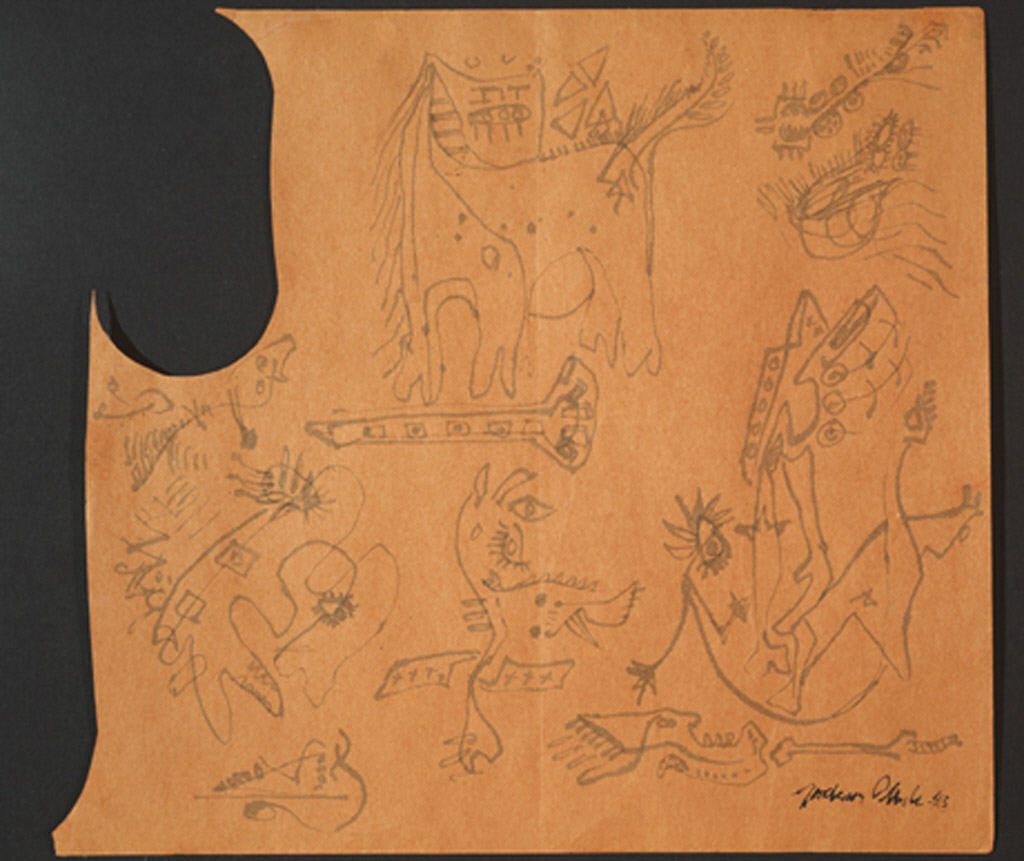 Untitled
1943
Untitled
1943
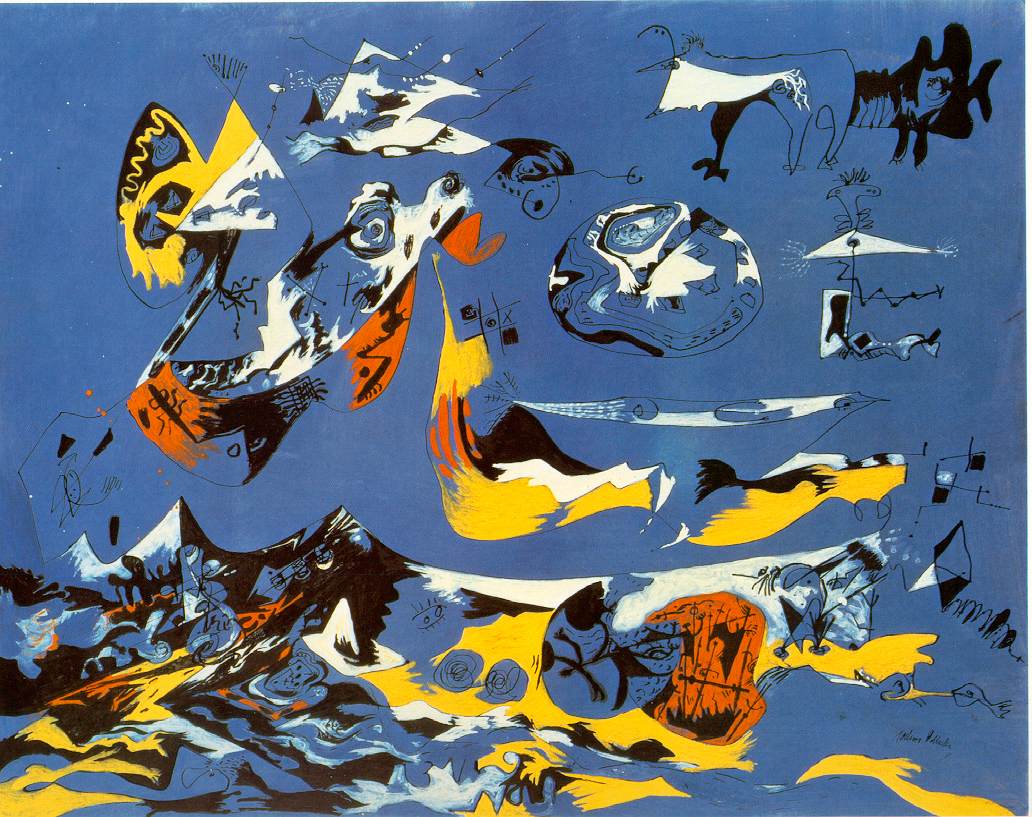 Blue (Moby Dick)
1943
Blue (Moby Dick)
1943
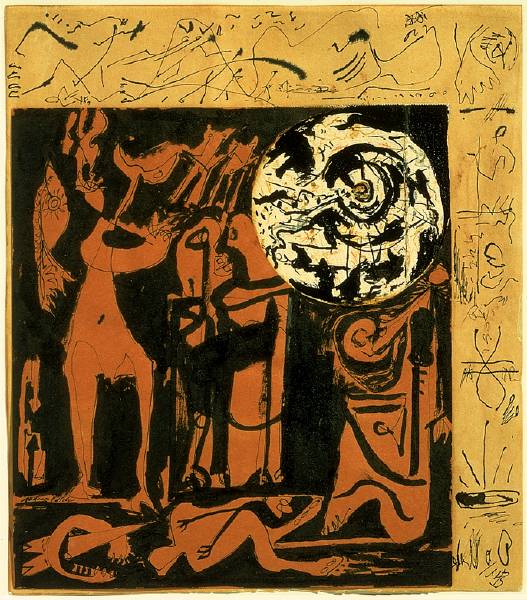 Untitled
1943
Untitled
1943
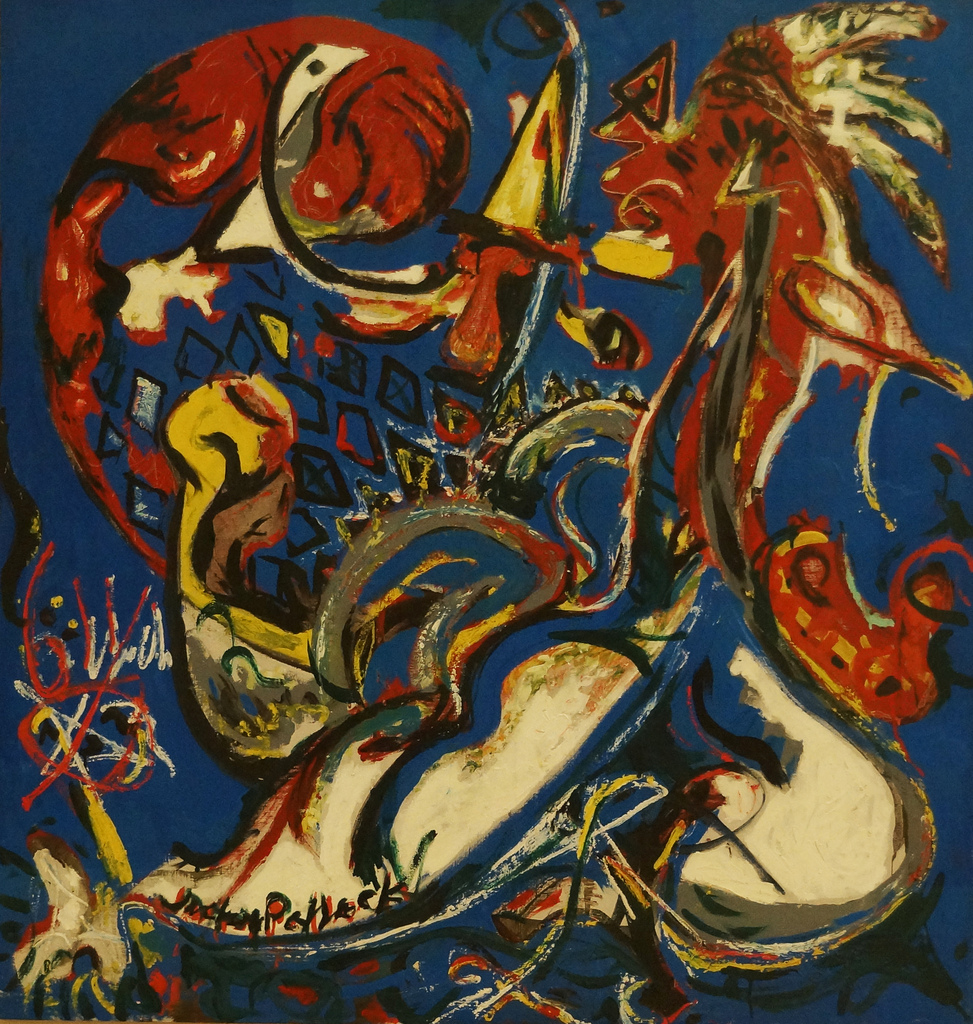 The Moon-Woman Cuts the Circle
1943
The Moon-Woman Cuts the Circle
1943
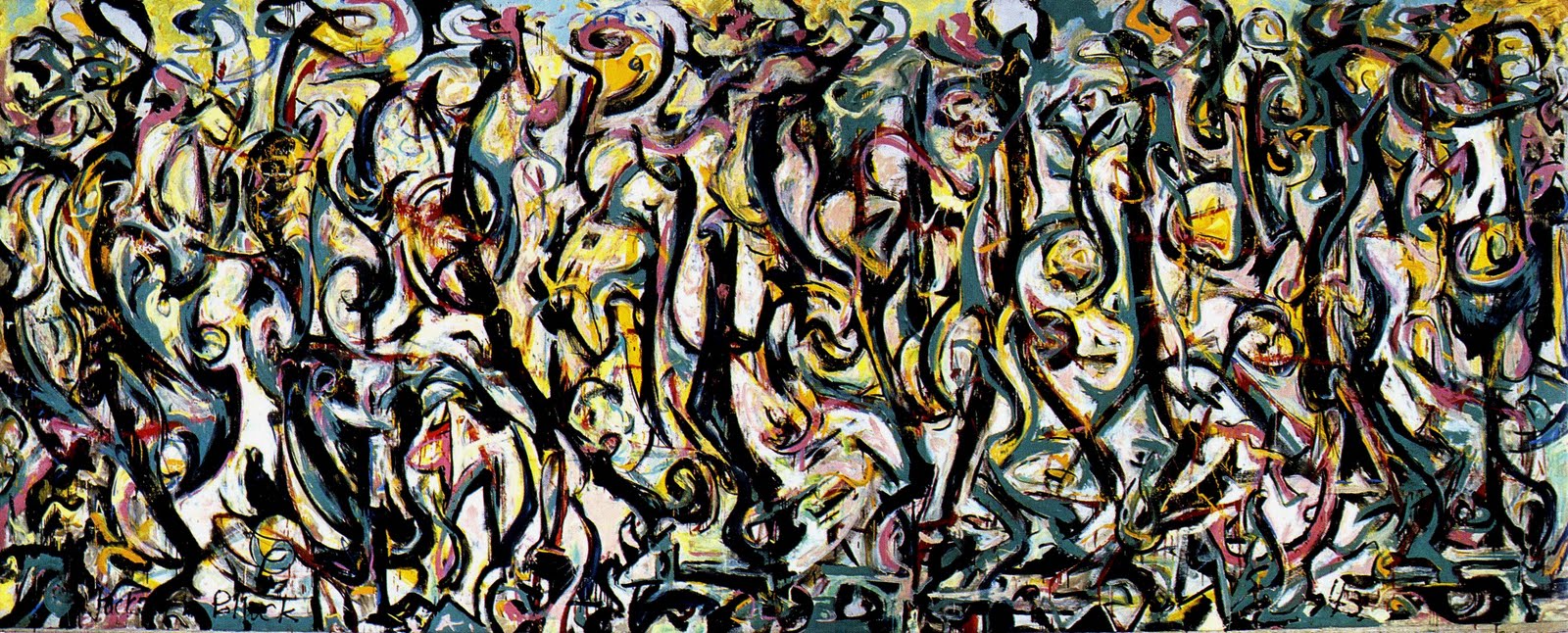 Mural
1943
Mural
1943
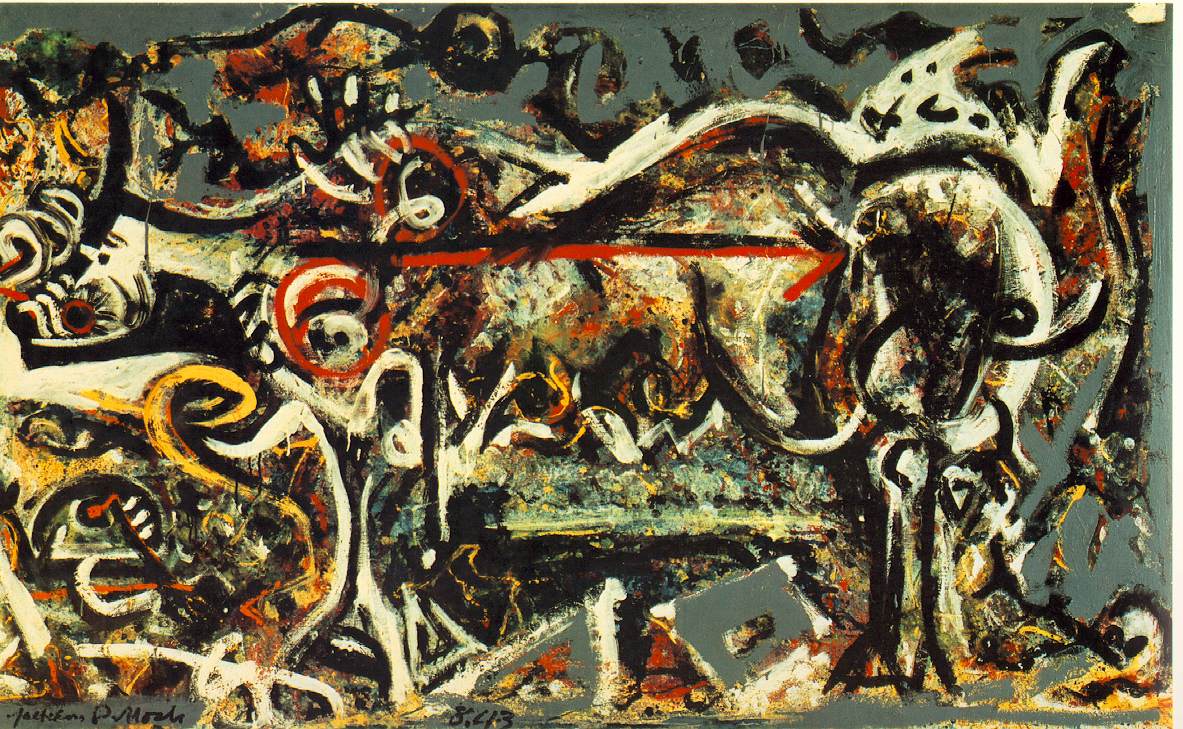 The She-Wolf
1943
The She-Wolf
1943