Albrecht Dürer
Biografia
Albrecht Dürer was one of the leading figures of the Northern Renaissance, who created masterpieces in the mediums of drawing, paintings and printmaking. He also made significant contributions to the exchange of knowledge between the Italian and the Northern Renaissance, and established important relations with representatives of Italian Renaissance. Throughout his life, Dürer made two trips to Italy, where he acquired vital knowledge of proportions, anatomy and perspective. He then dedicated extensive portions of his life to spreading this theoretical knowledge, making it available to younger artists in Four Books of Human Proportion (publ. c. 1528) and Instruction in Measurement (1525). Dürer was born in 1471 in Nuremberg. His father was a successful goldsmith, Albrecht Dürer the Elder, for whom he began to apprentice at the age of thirteen. Early on, Dürer began to show an inclination toward painting, and in 1486 he was sent to apprentice at the workshop of a local painter, Michael Wolgemut. In 1494, following his father’s arrangement, he married Agnes Frey, and shortly after left for his first trip to Italy. The trip was integral to his artistic development, and upon his return to Nuremberg in 1495, he opened his own workshop, where he principally focused on printmaking - engravings and woodcuts. In this period, Dürer concentrated on building his name and reputation. His aspirations and ambitions come across in his self-portraits from the period, namely in Self Portrait (1498) and Self Portrait at the Age of Twenty Eight (1500). In 1505 Dürer took his second trip to Venice, where he created important artworks such as Feast of the Rosary (1506), an altarpiece commissioned by a colony of German merchants in Venice. Although the panel was influenced by Venetian color and design, the subject is undeniably German. The iconography centers on Rosary devotion, that originated in Cologne in the 1470s and spread throughout Germany and Holland. In addition, the artist features a German alpine landscape in the background. After his return to Nuremberg in the spring of 1507, Dürer created some of his most celebrated paintings: Adam and Eve (1507) and The Martyrdom of Ten Thousand (1508). In the following years, Dürer once again turned his attention to printmaking, namely woodcuts and engravings. He understood printmaking as an art in its own right and created some of his best known works in this medium. In the years 1513 and 1514, he completed the most significant engraving of his career, also known as his ‘master engravings’: Knight, Death and the Devil (1513), St. Jerome in his Study (1514) and Melencolia I (1514). The three prints are often linked together even though they do not strictly share a common theme or meaning. However, these certainly represent the pinnacle of Dürer’s technical skill in his handling of light and shade and mastery of the engraved line. Dürer died prematurely in 1528 at the age of fifty seven. At the time of his death, he was considered one of the famous artists of his time, only surpassed by Michelangelo and Raphael.
Obras no acervo
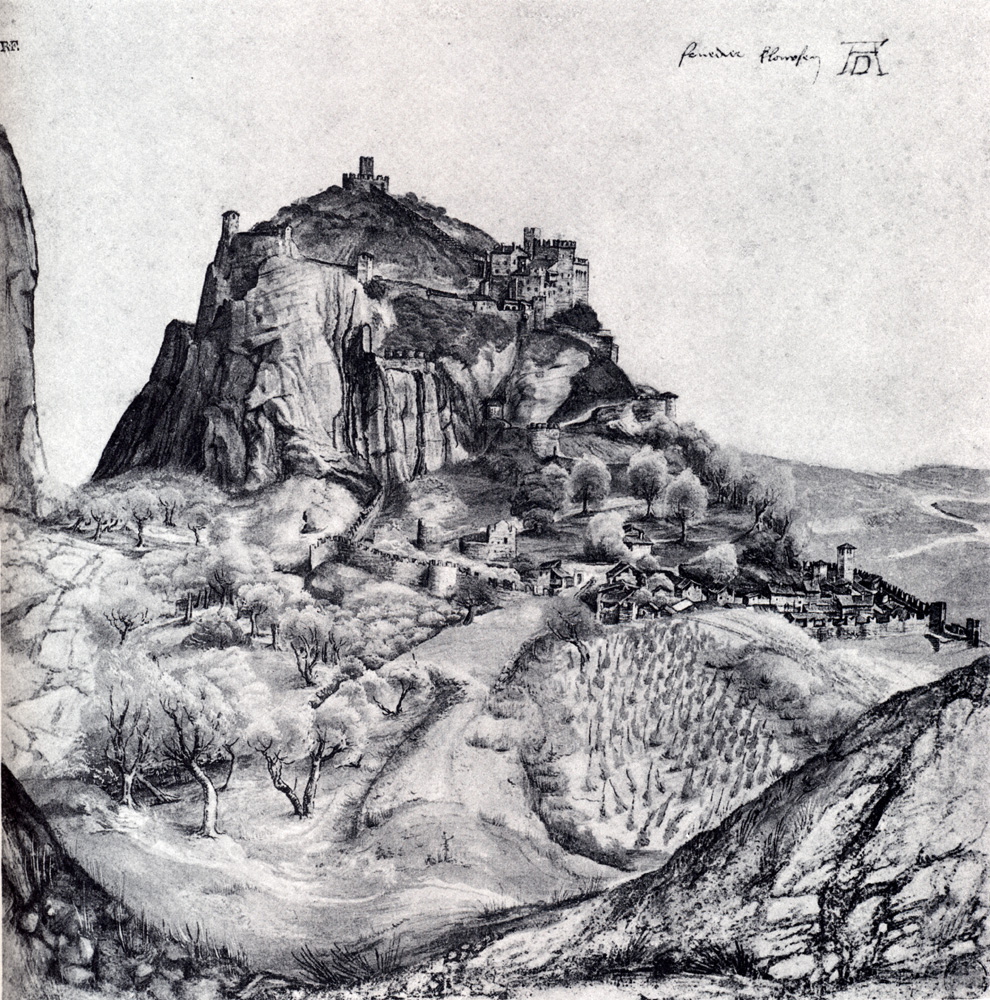 The Citadel Of Arco In The South Tyrol
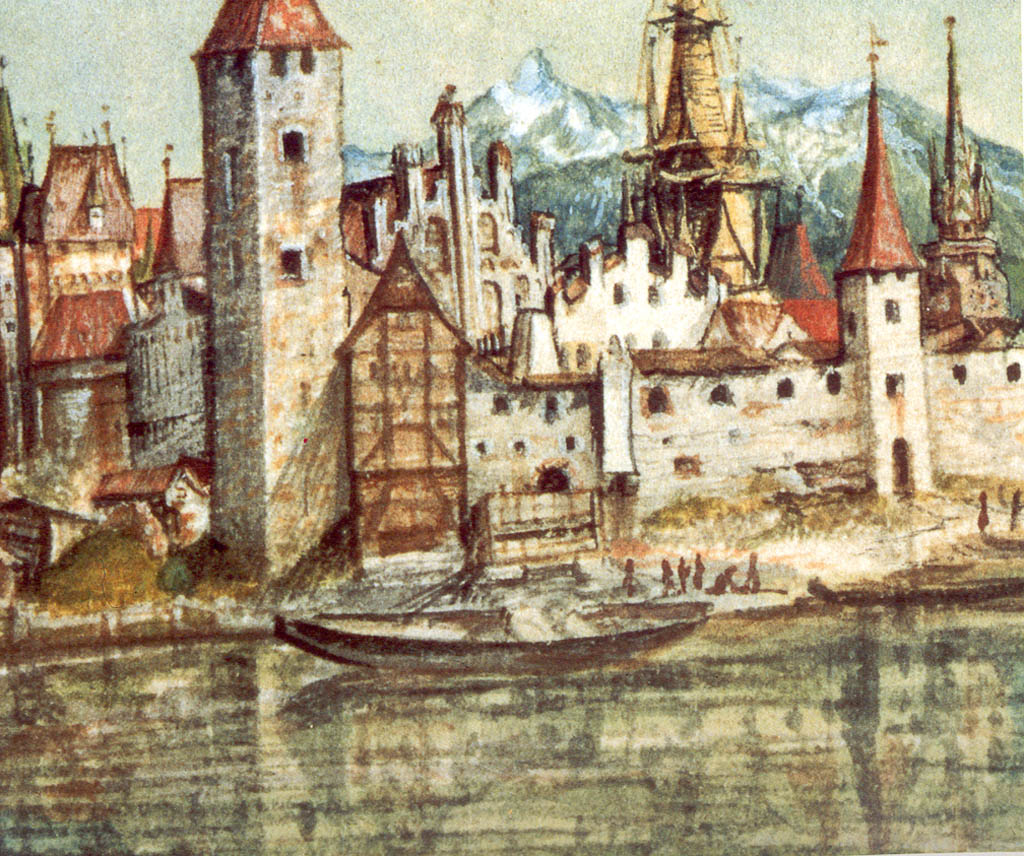 Innsbruck
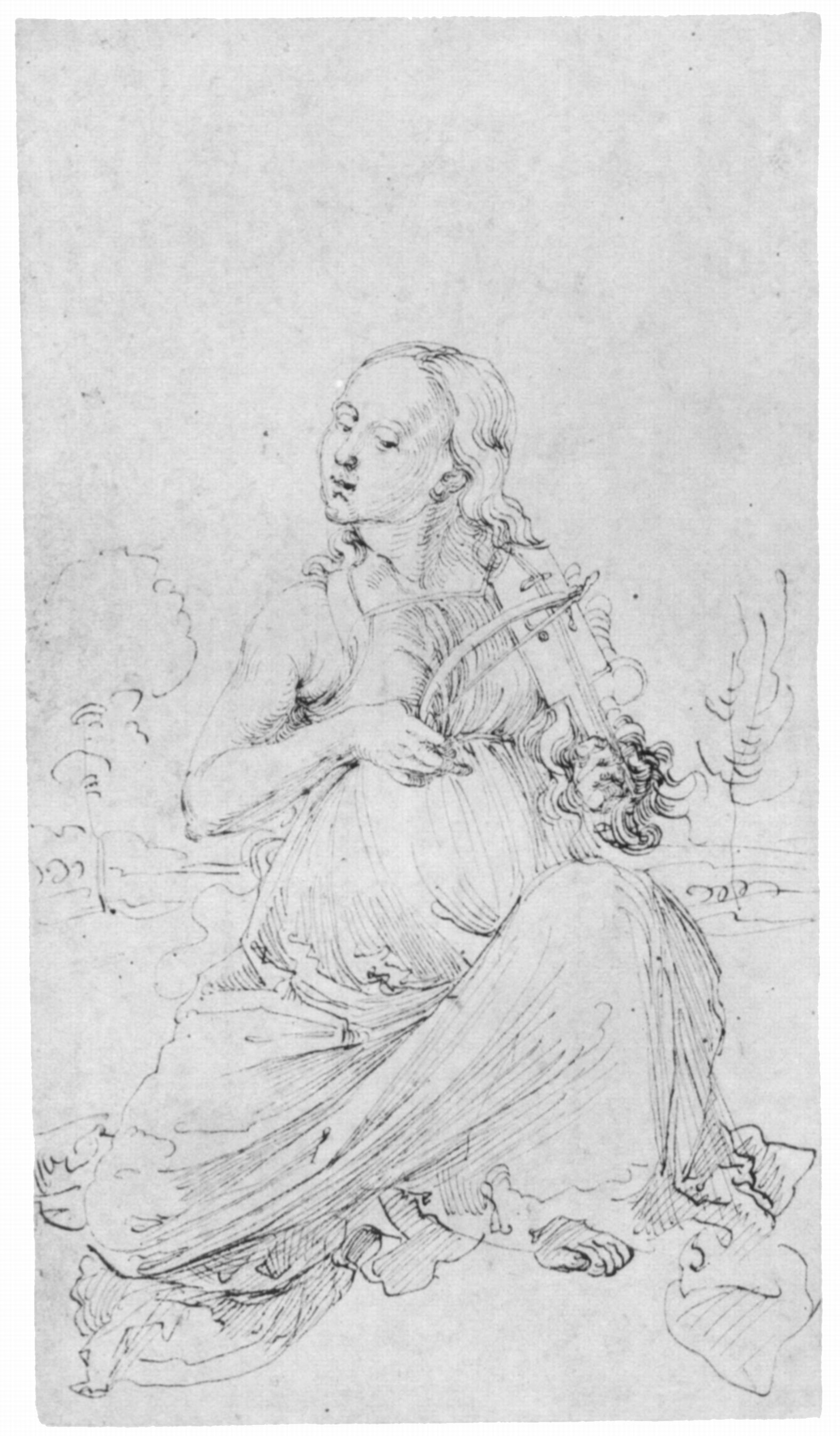 Drawing from the "Tarot" The Muse Thalia
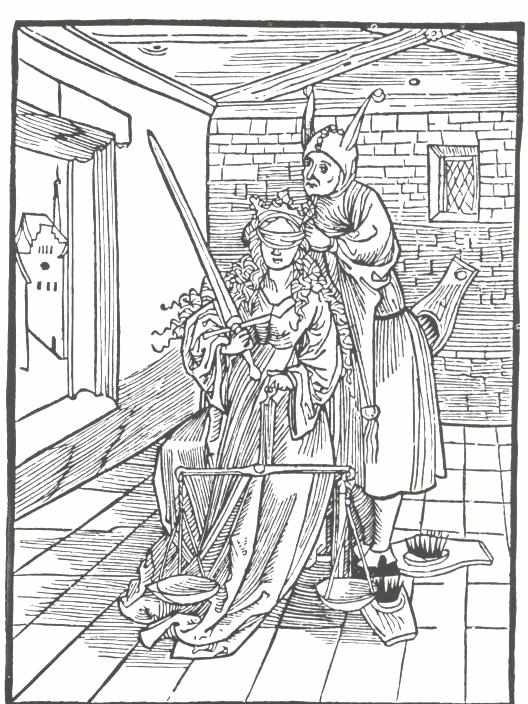 The ship of fool
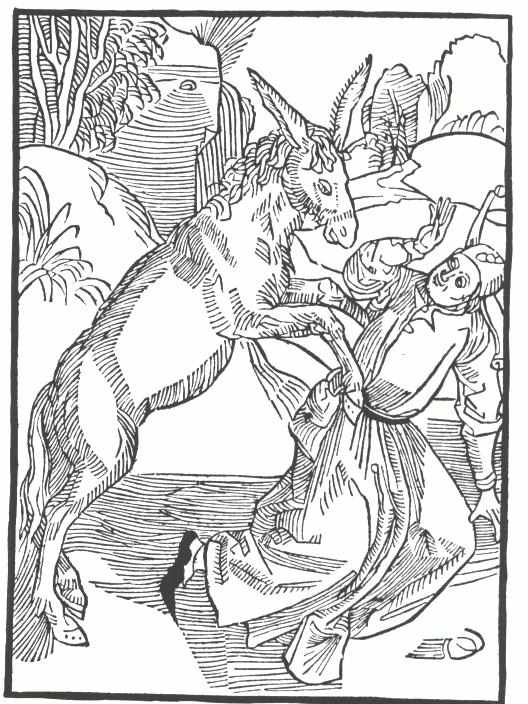 The ship of fool
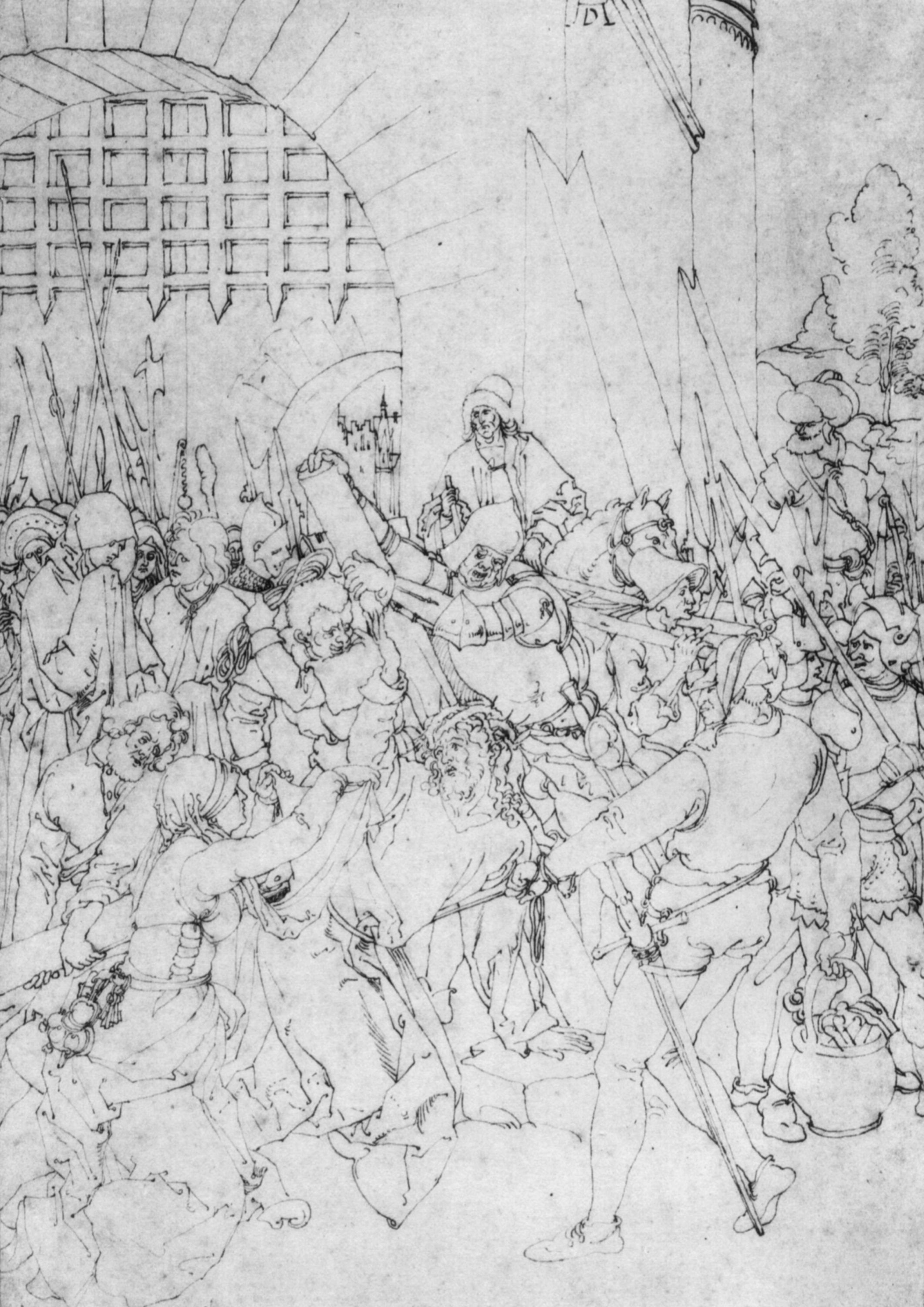 The Cross of Christ
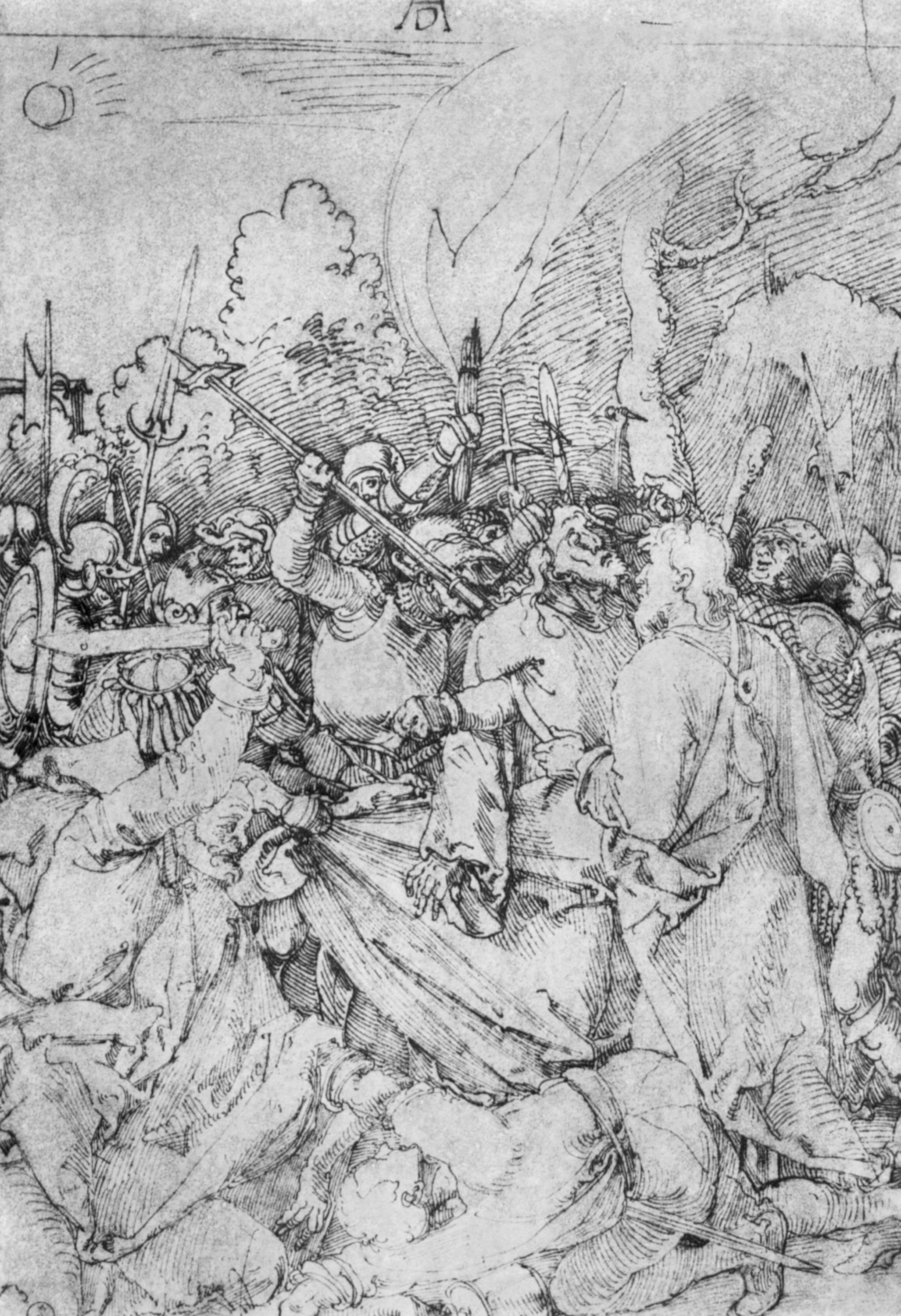 Arrest of Christ
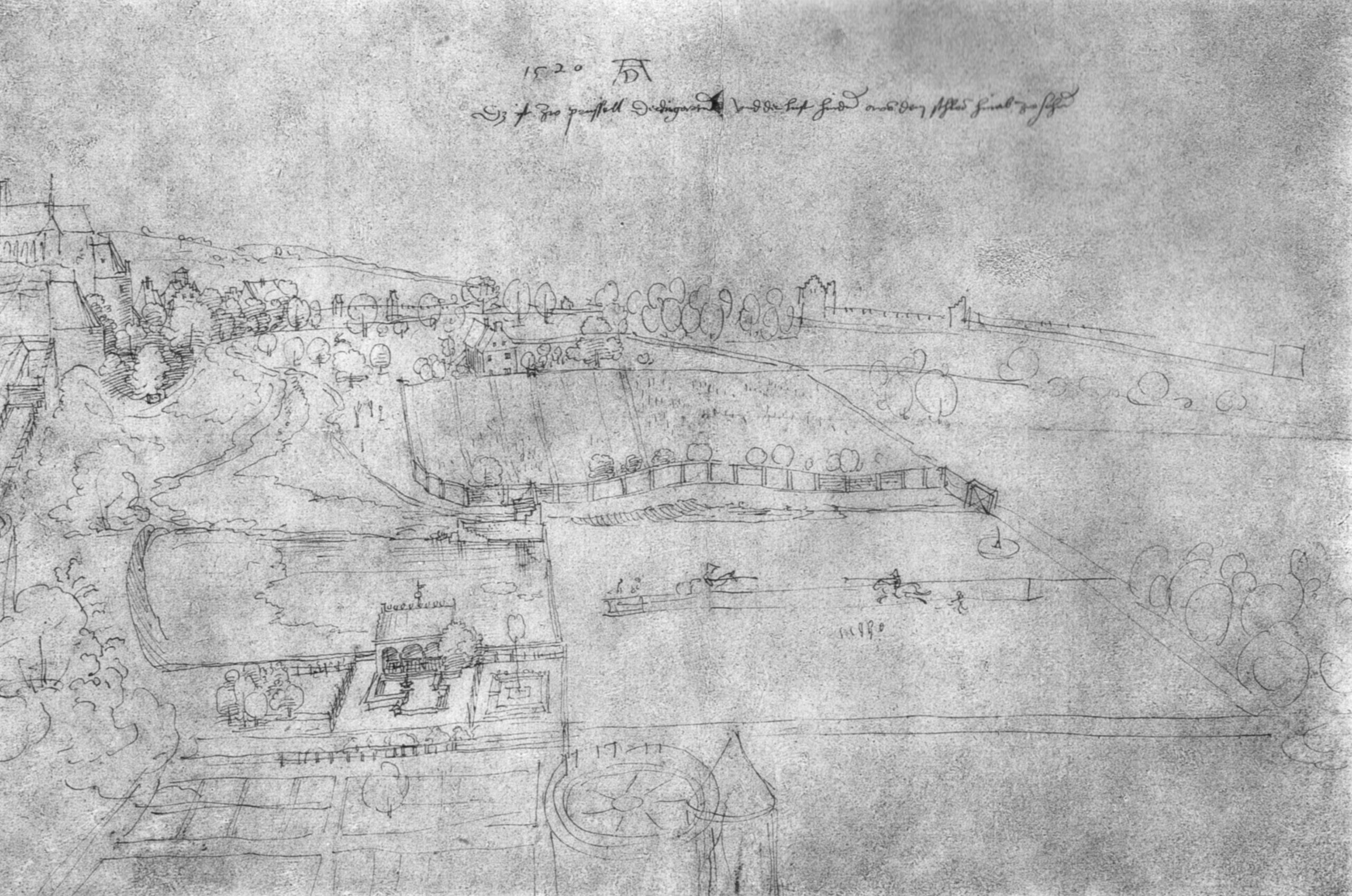 The zoo at Brussels
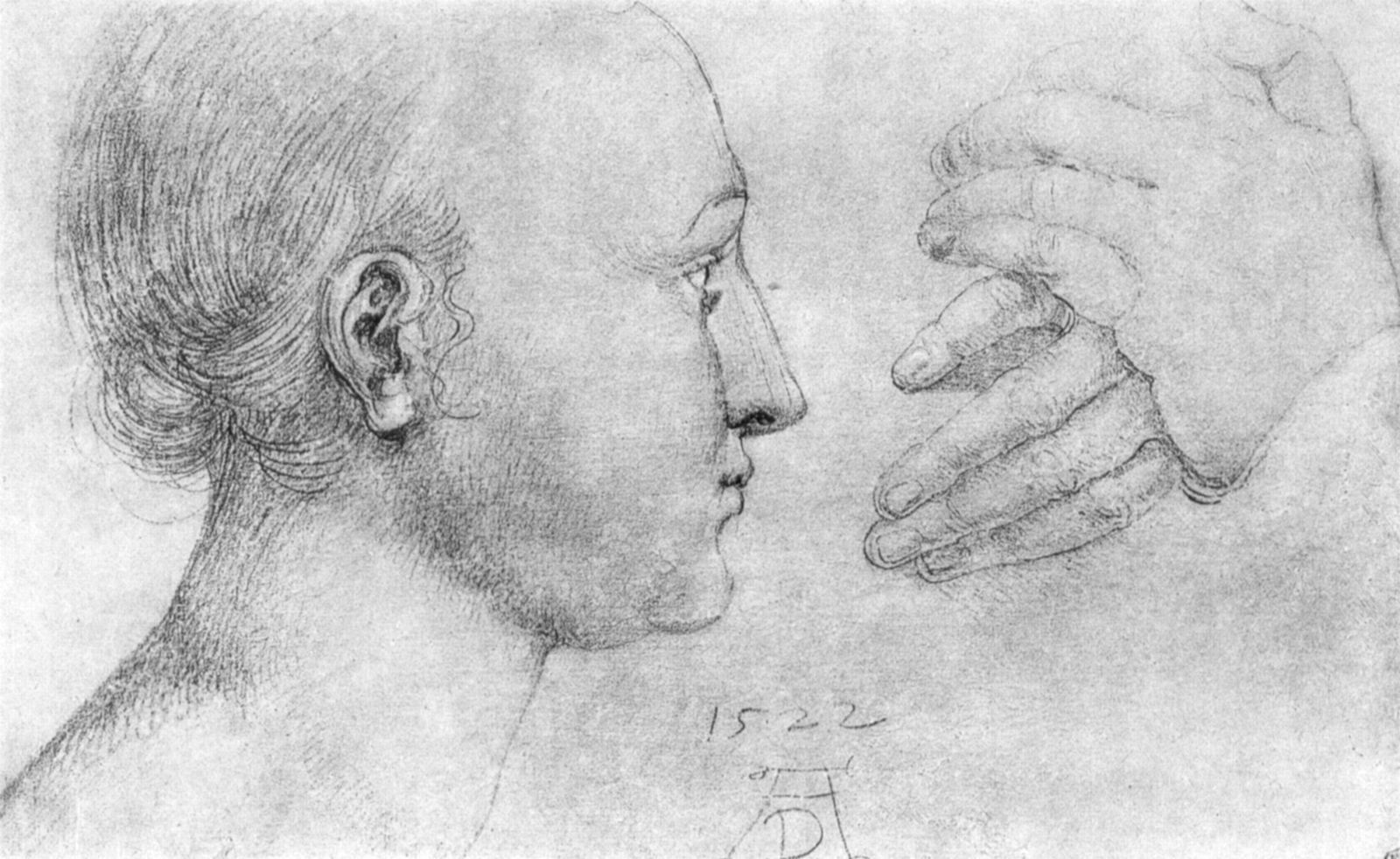 Studies on a great "picture of Mary" girl's head and pair of hands
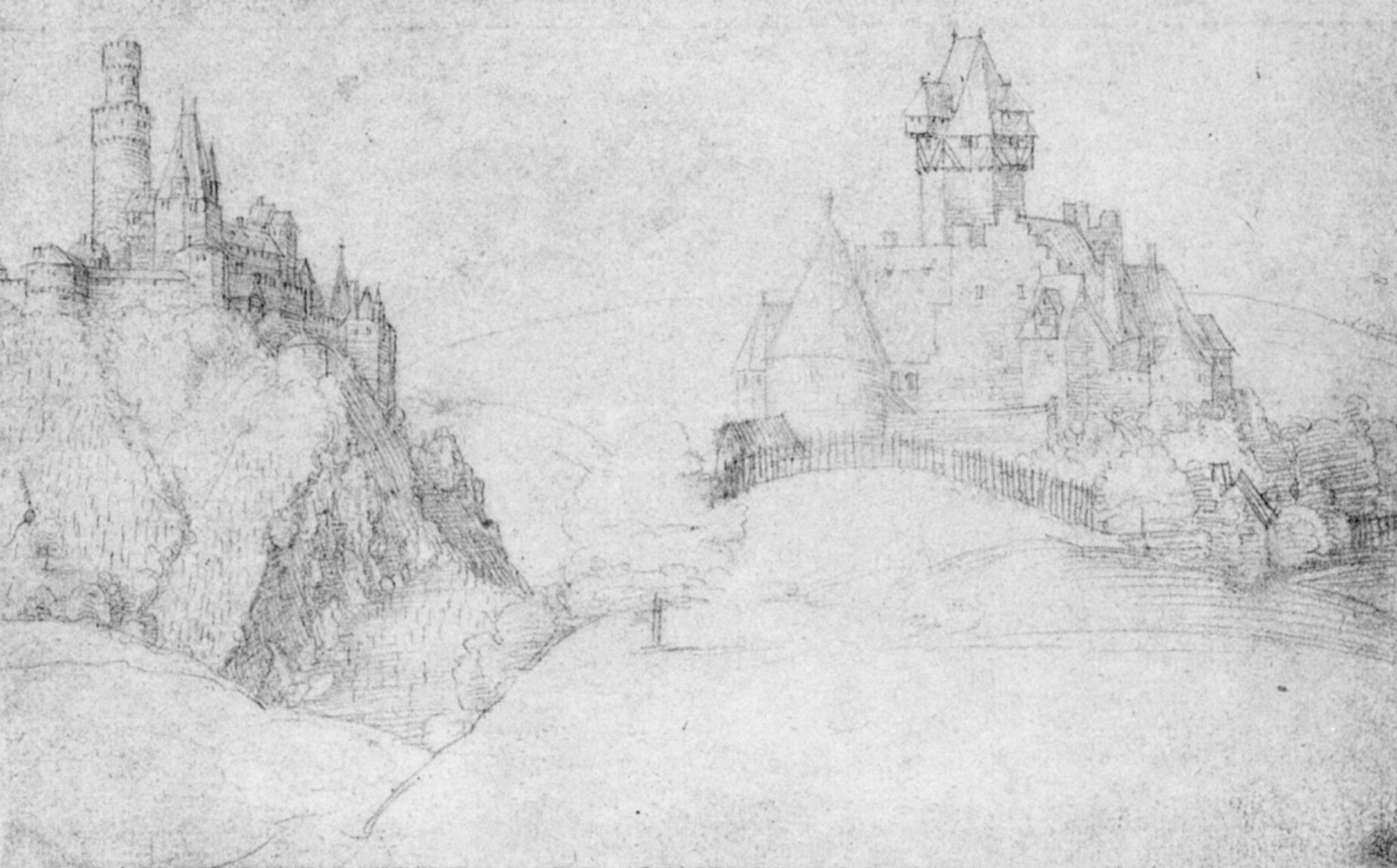 Two Castles
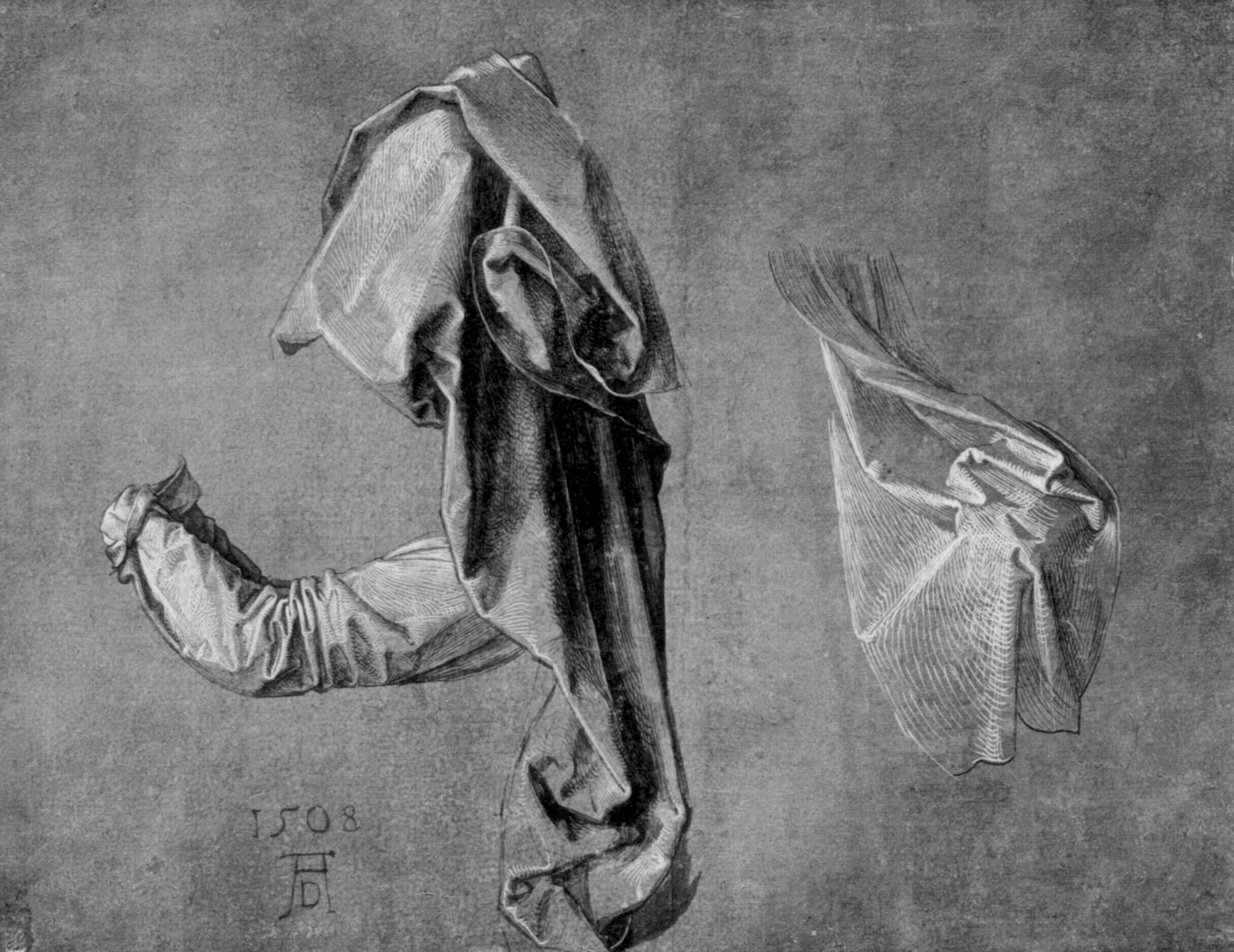 Garment studies
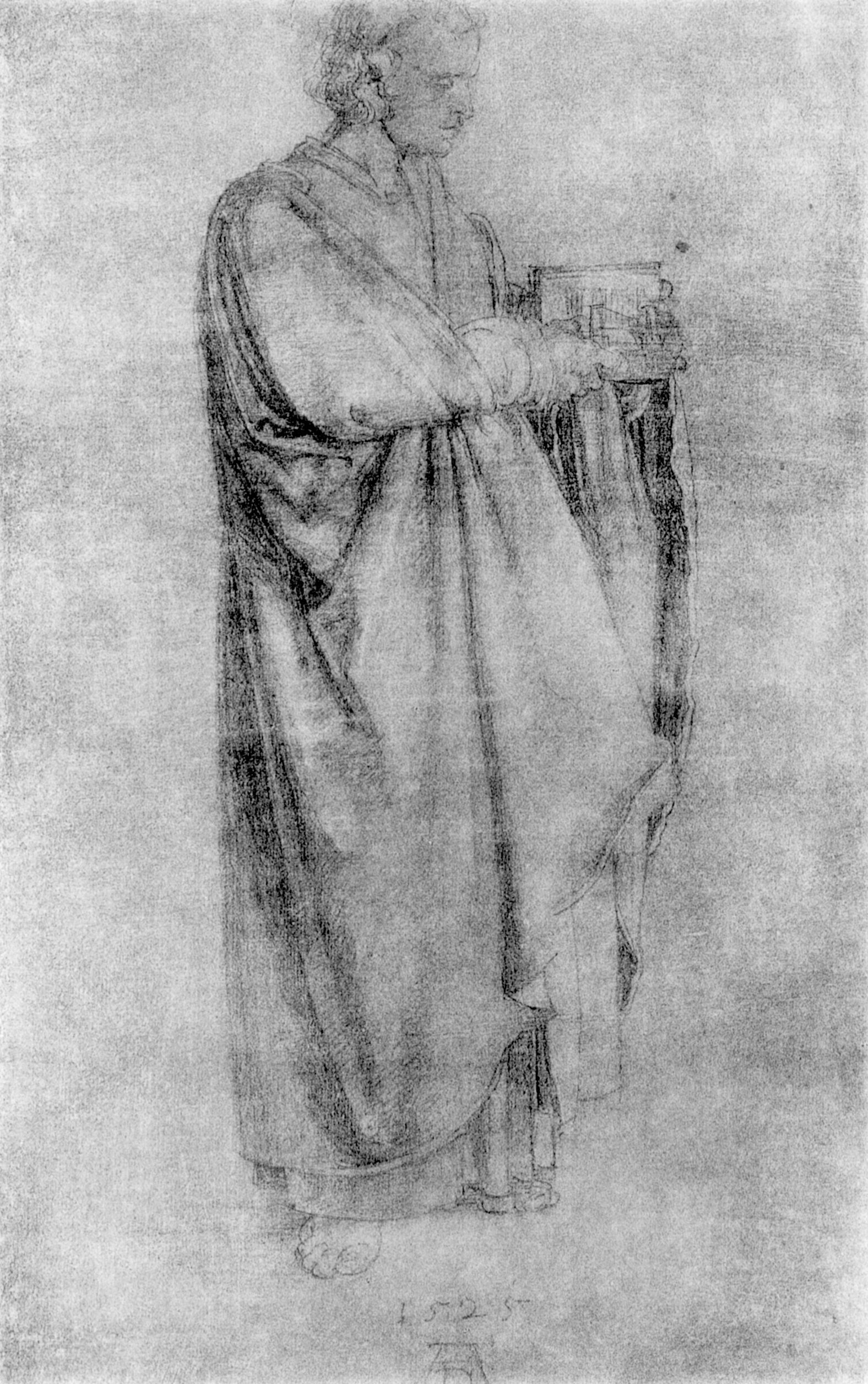 John
John
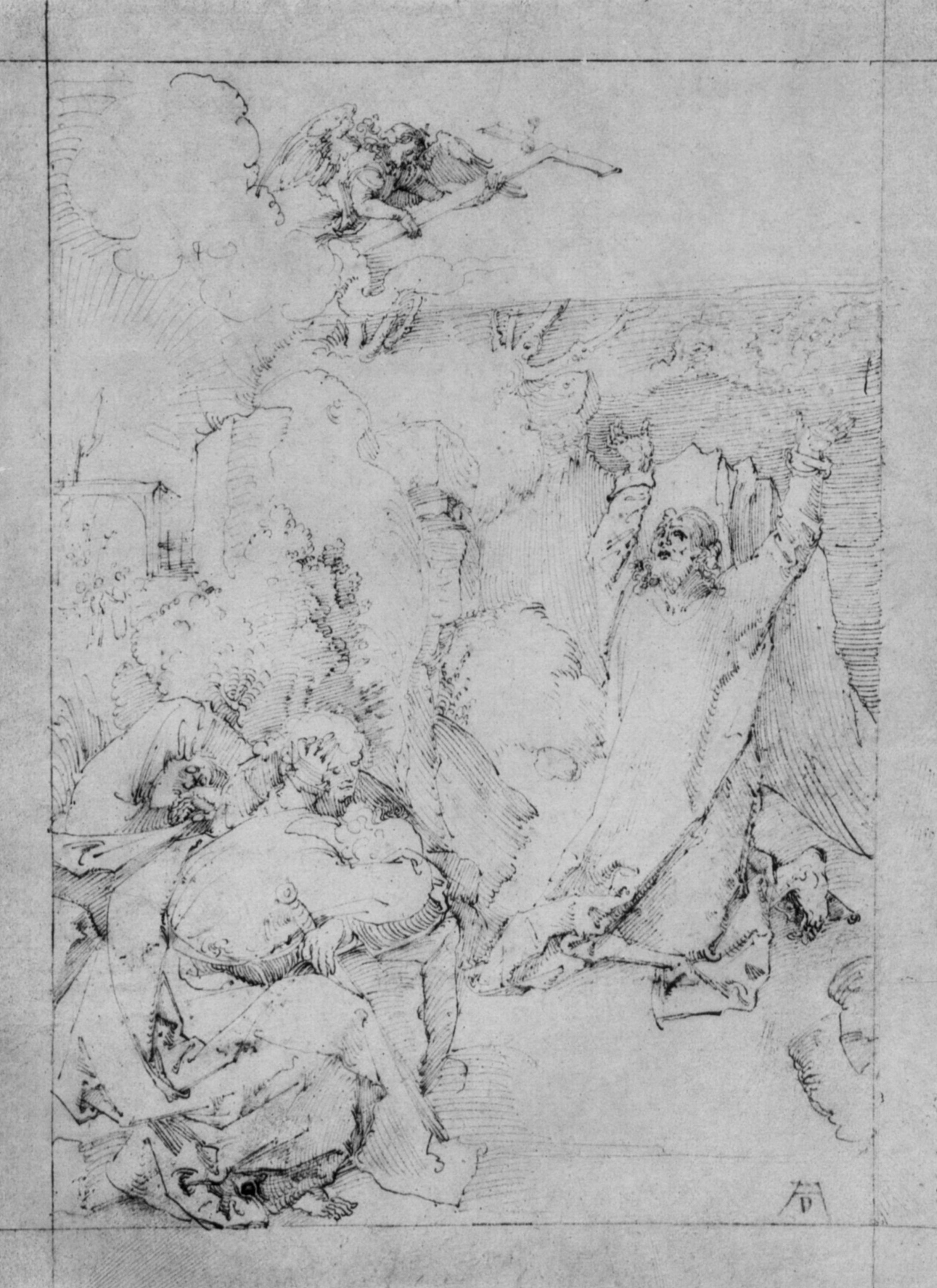 Christ on the Mount of Olives
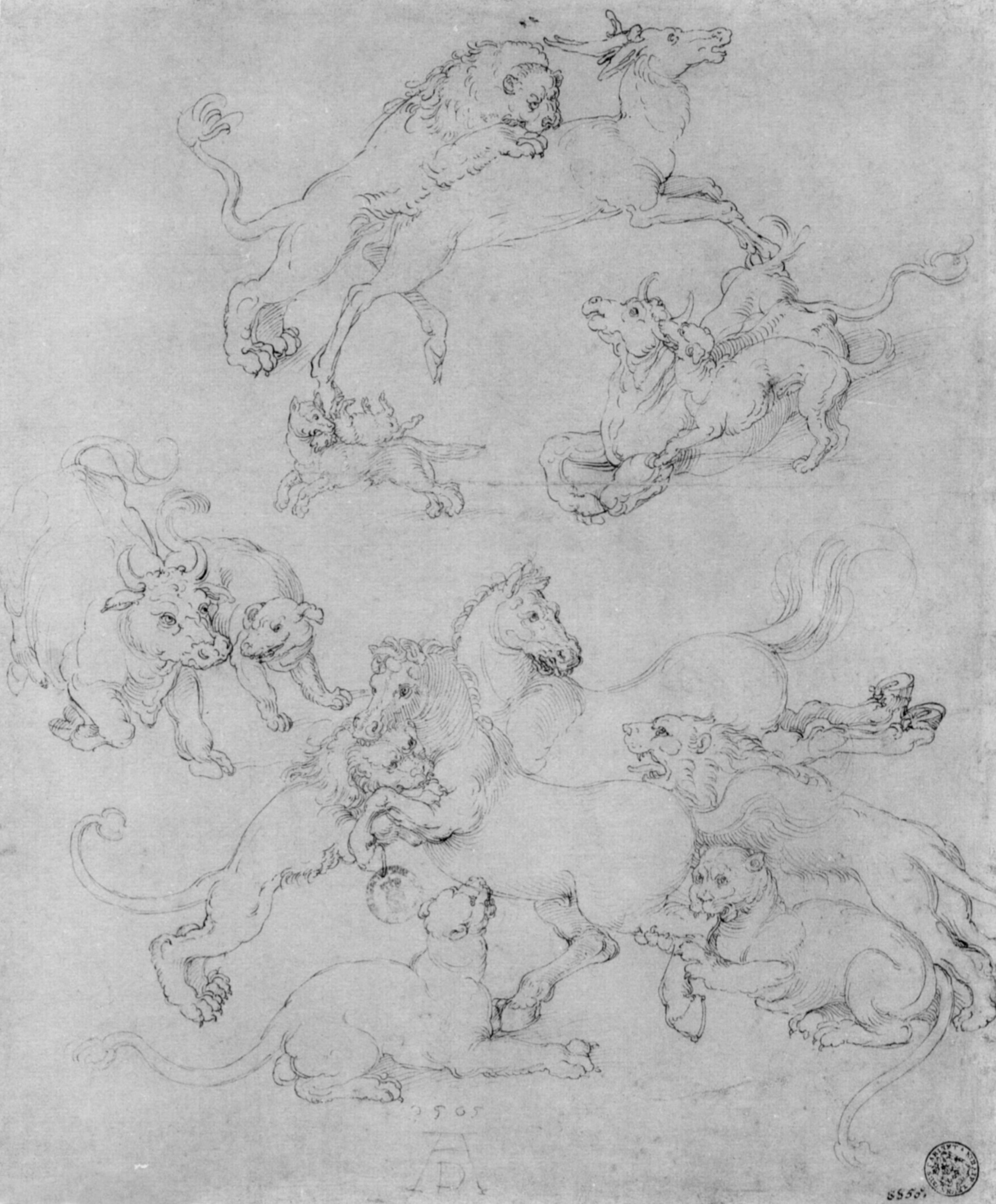 Study sheet with the attacked animals
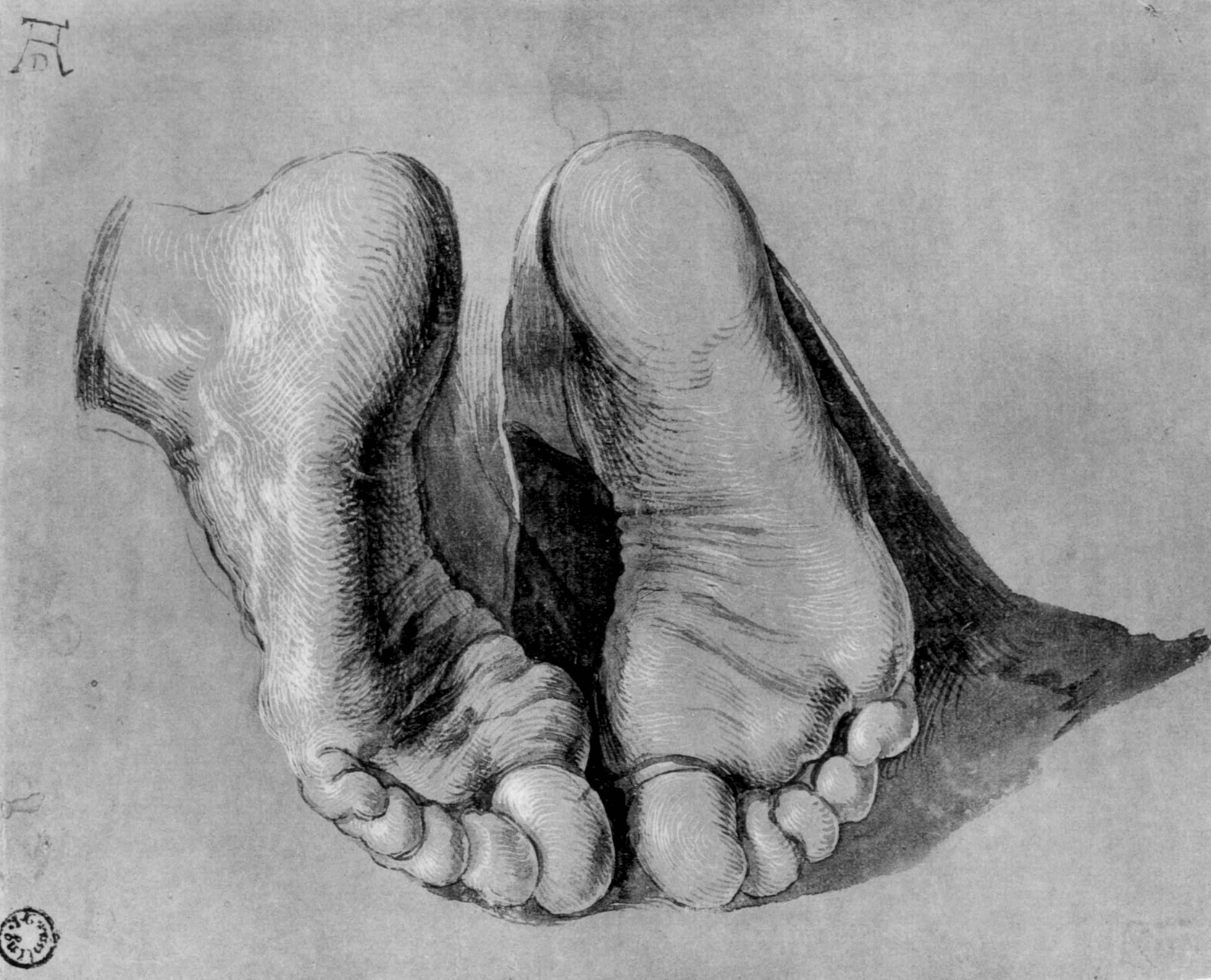 Feet of an apostle
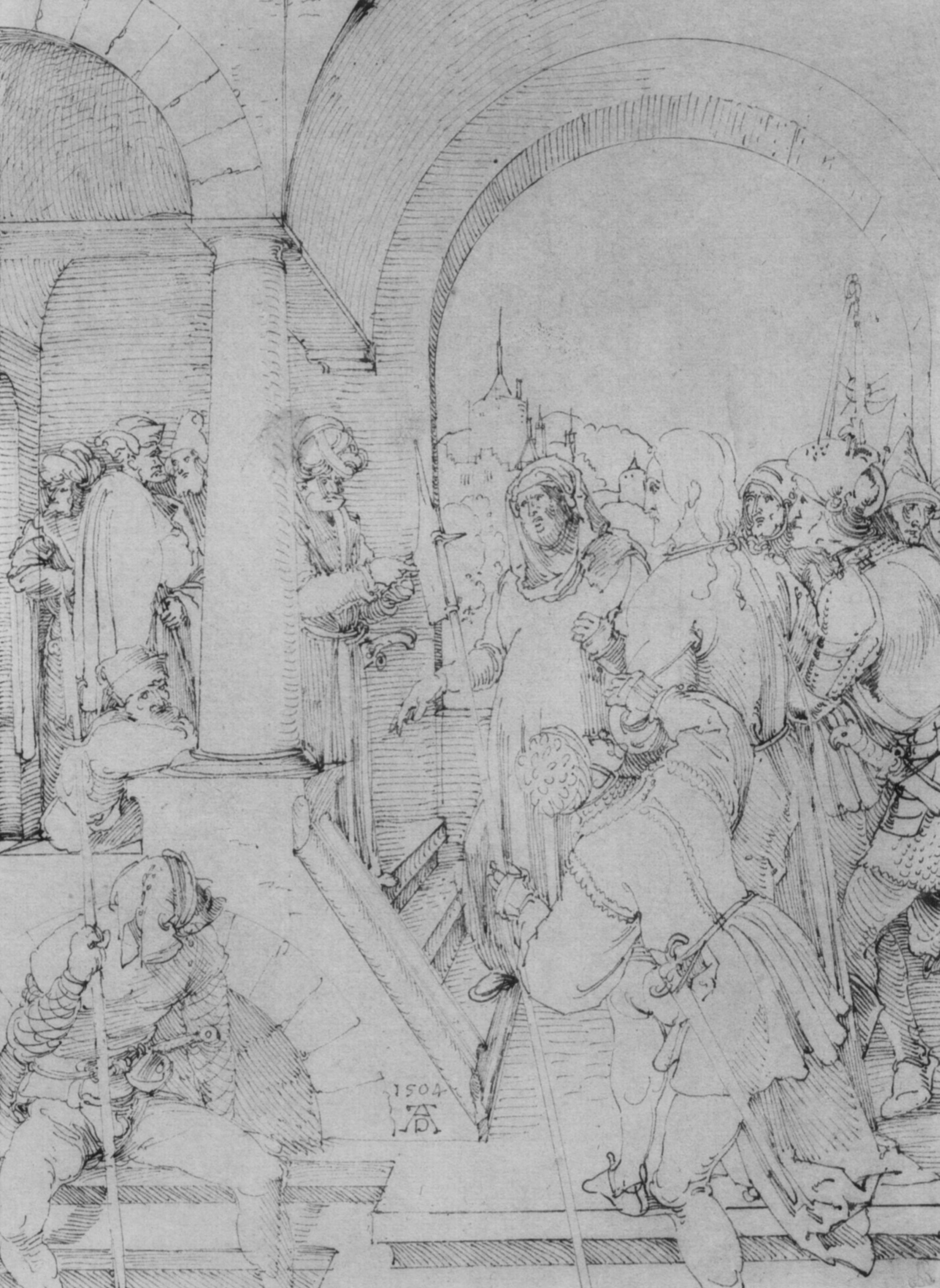 Christ before Pilate
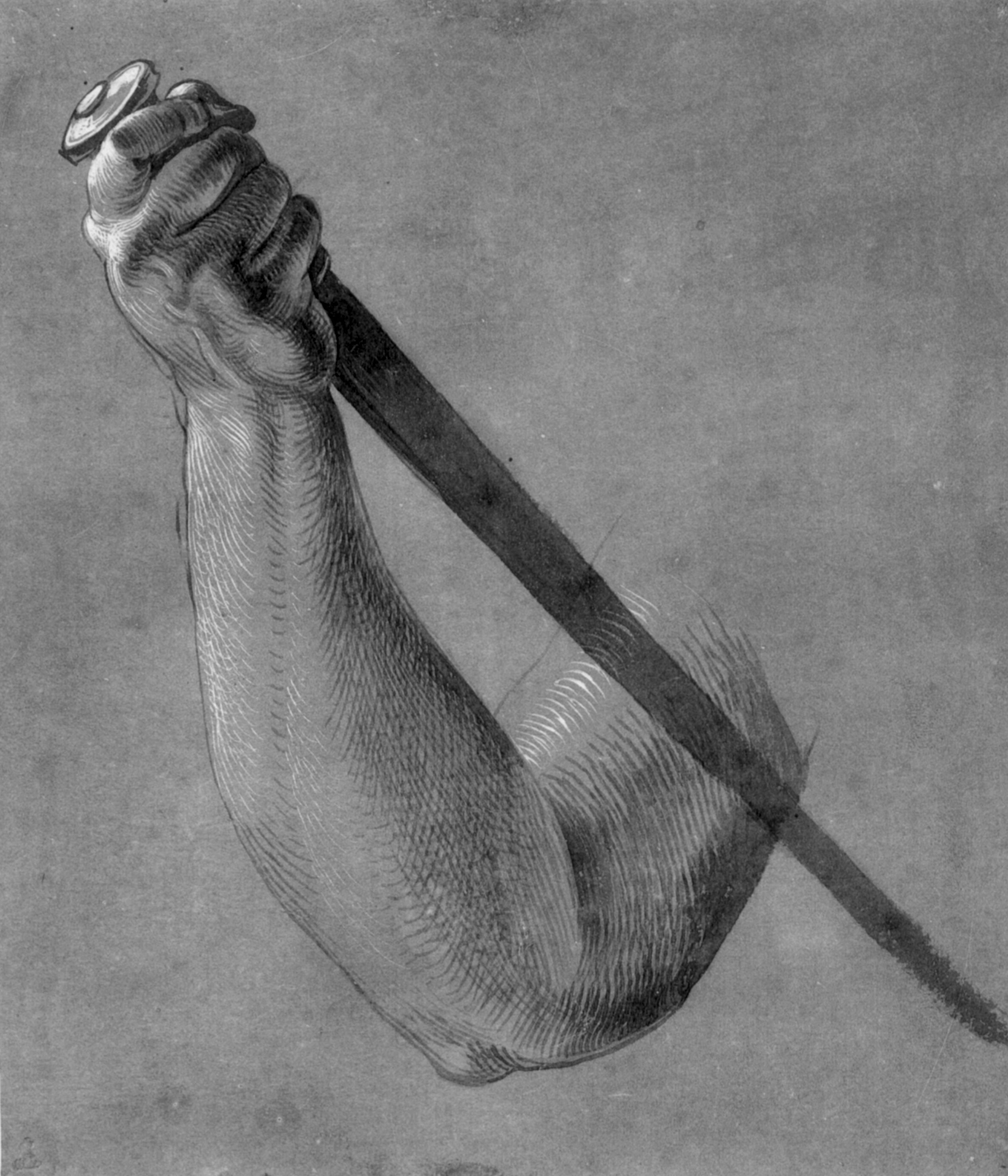 Arm of Lucretia
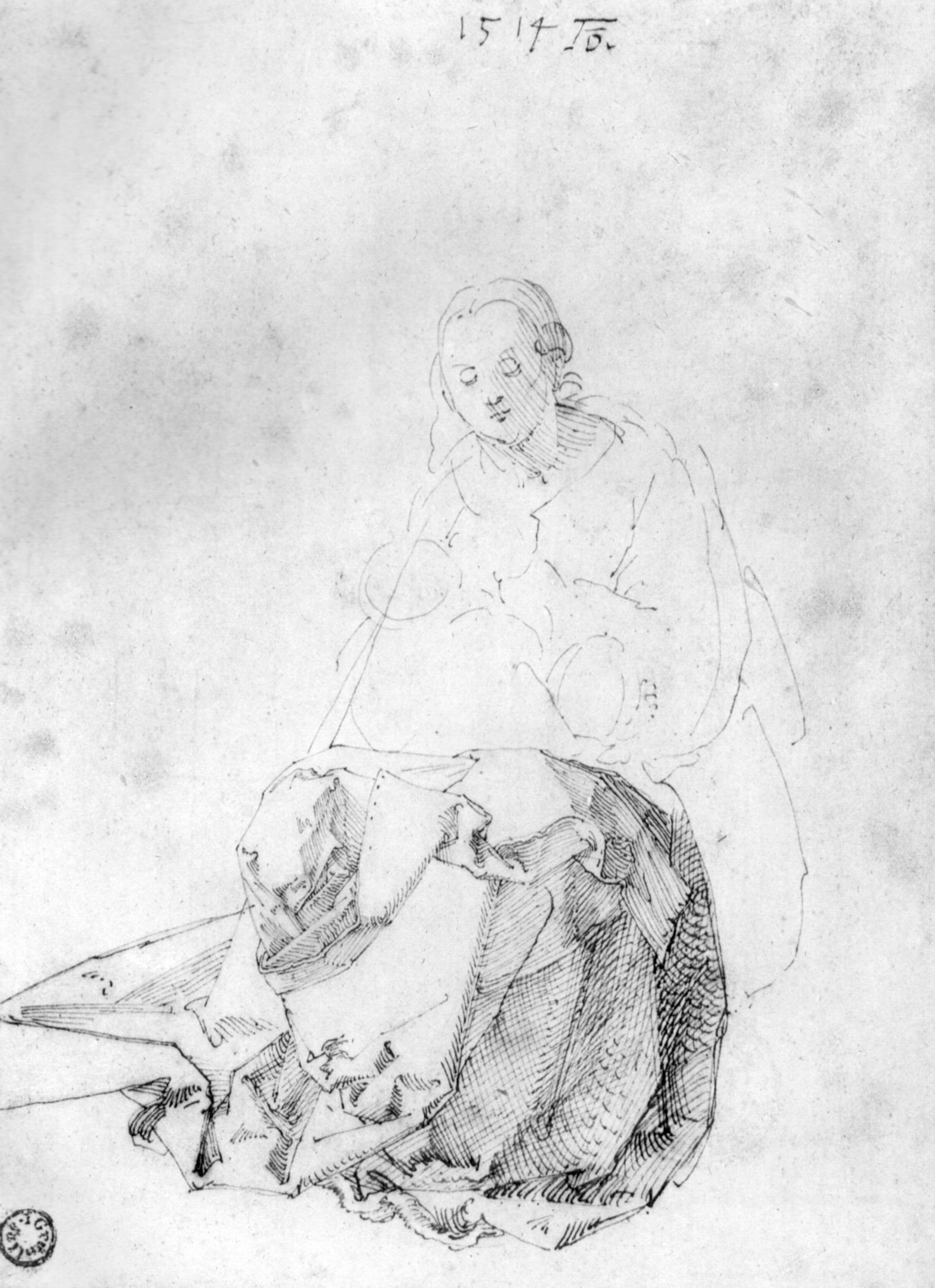 Madonna and Child
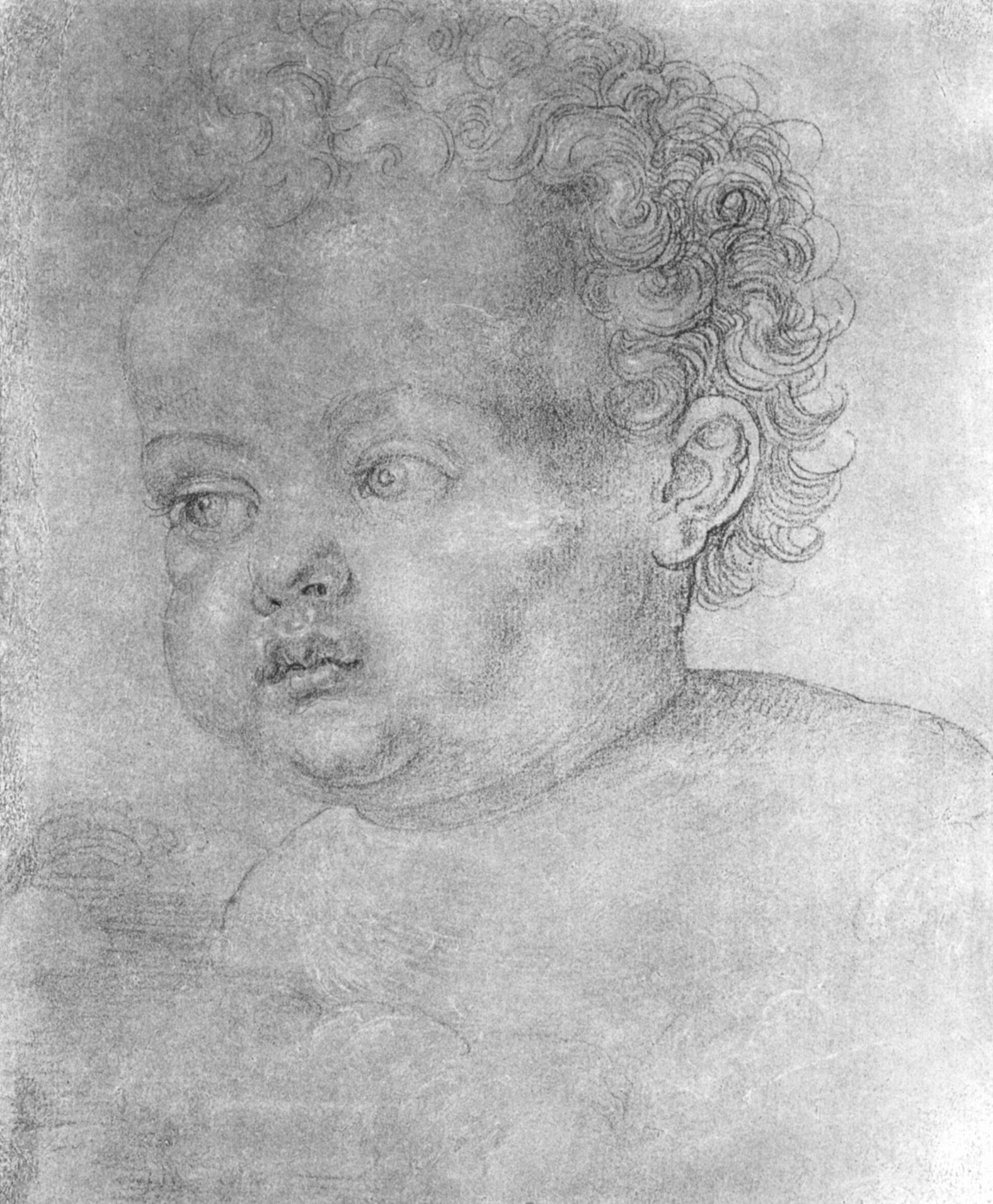 Child's head
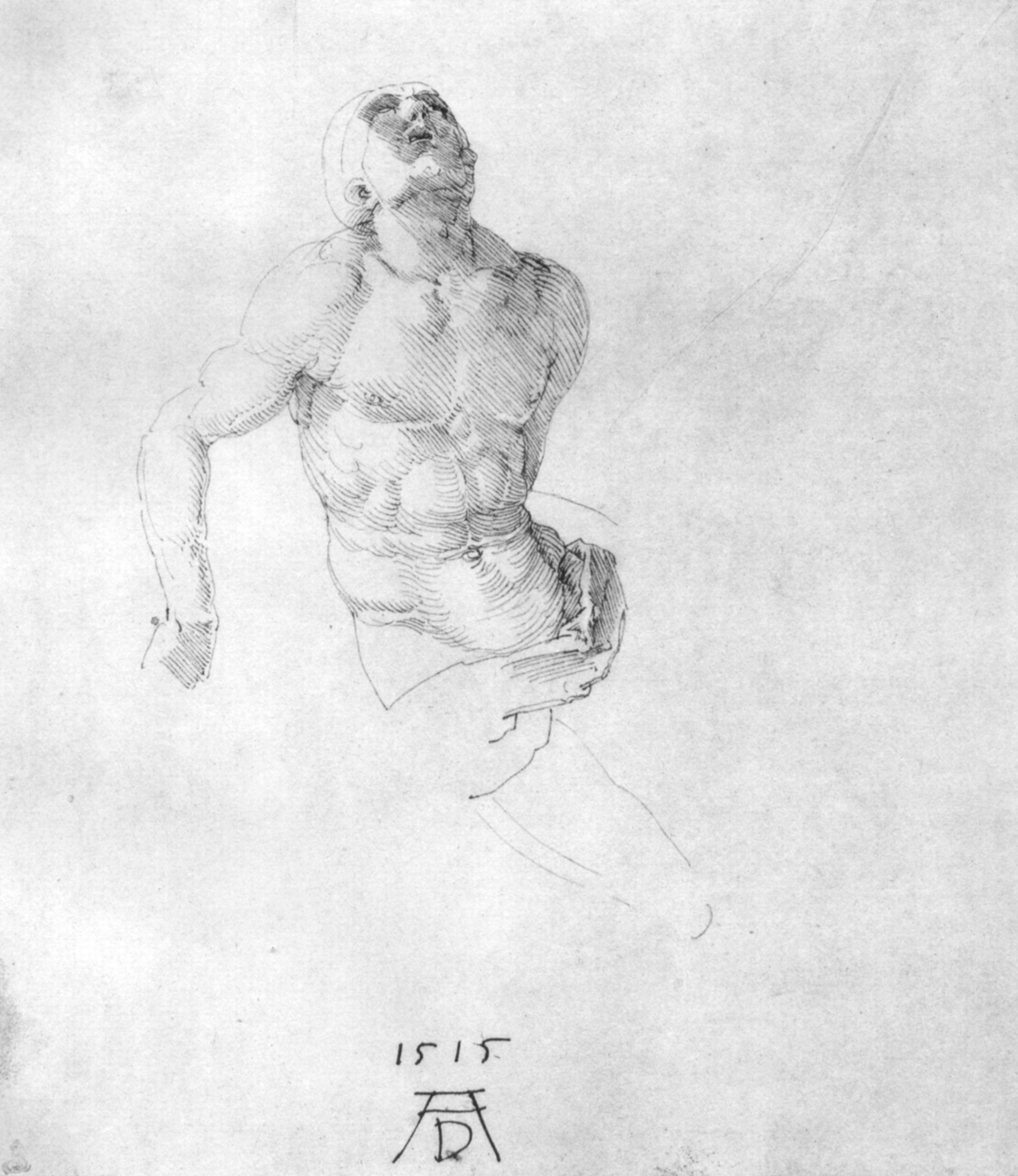 Study of a body of Christ
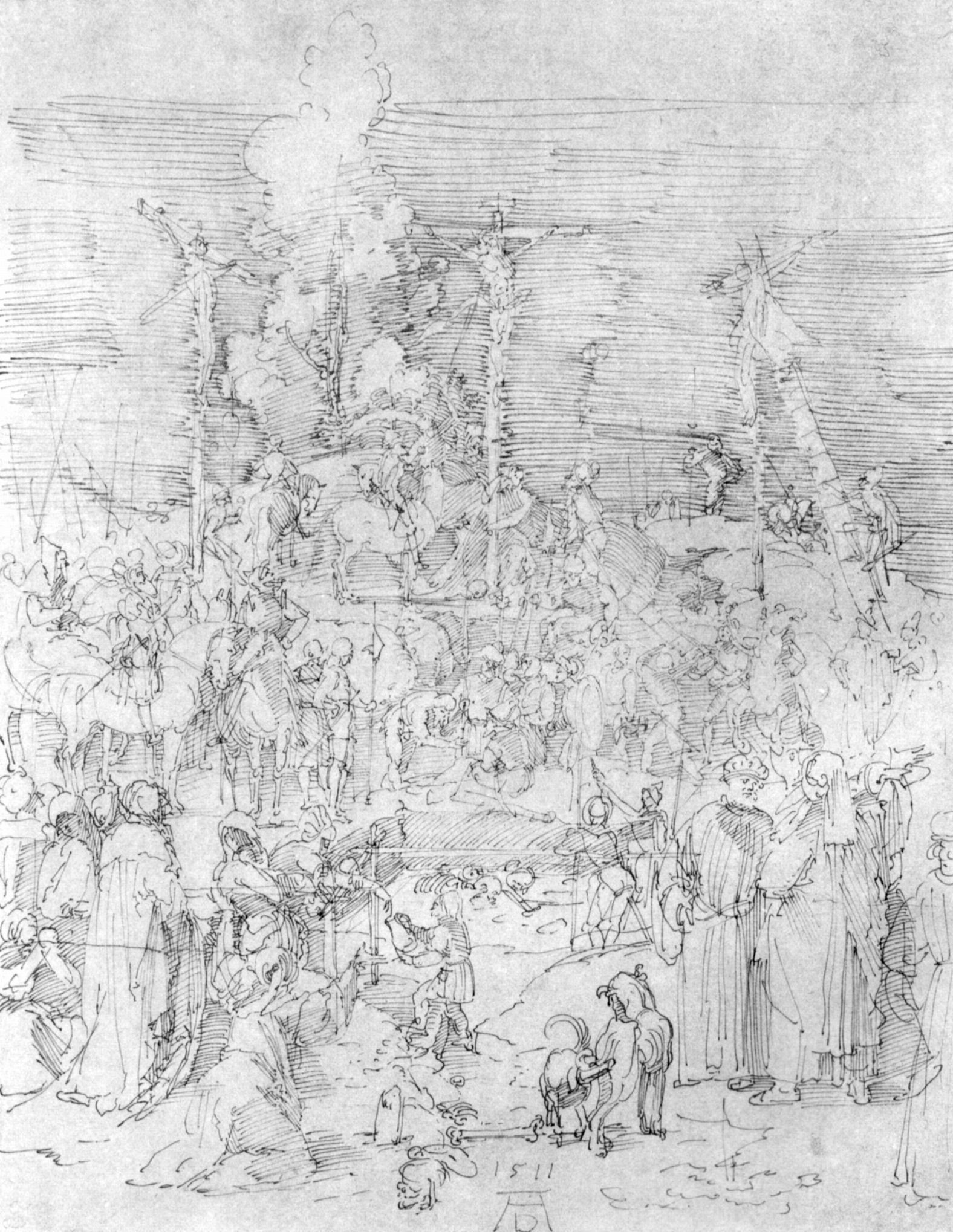 Calvary
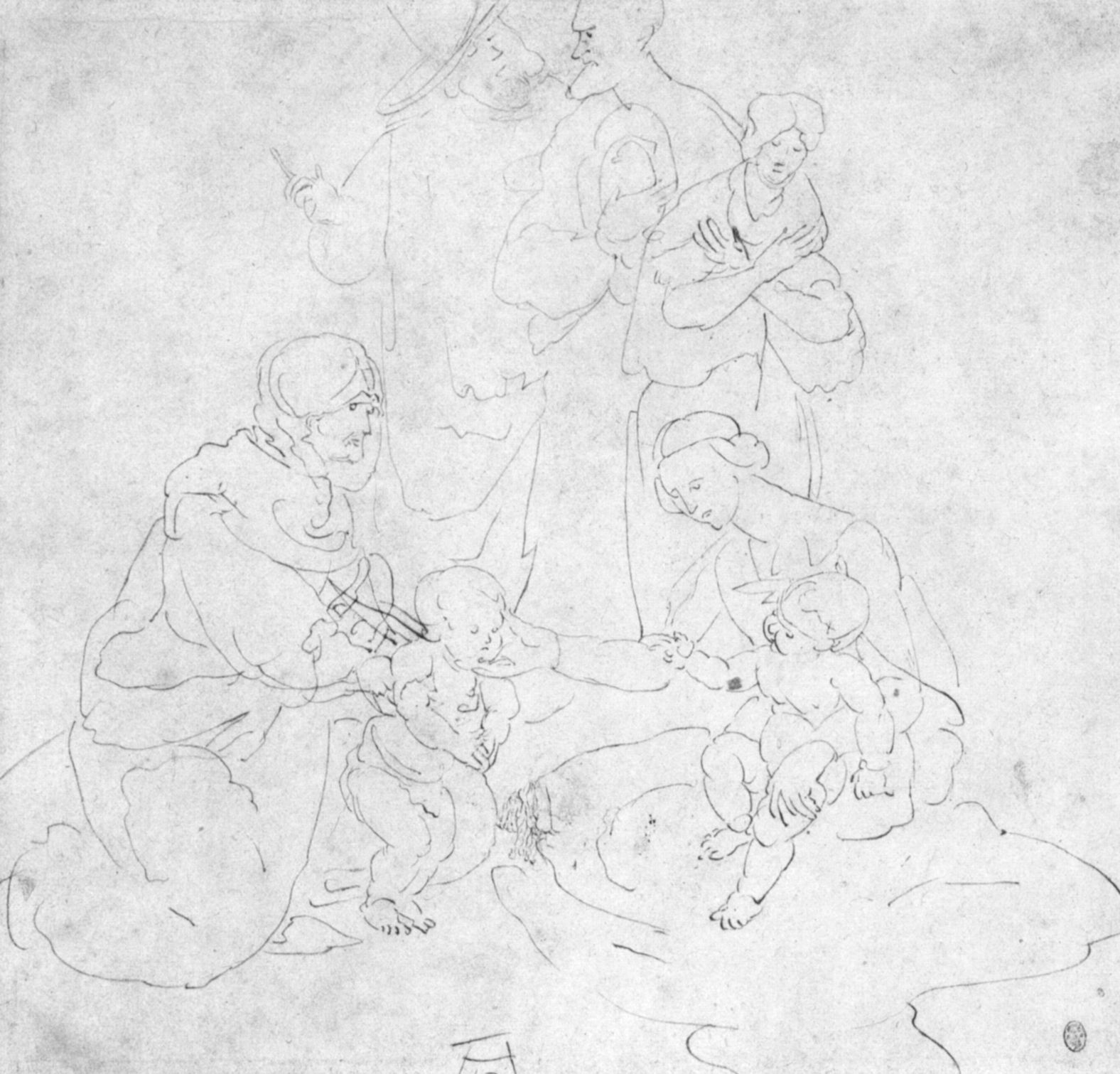 Holy Family
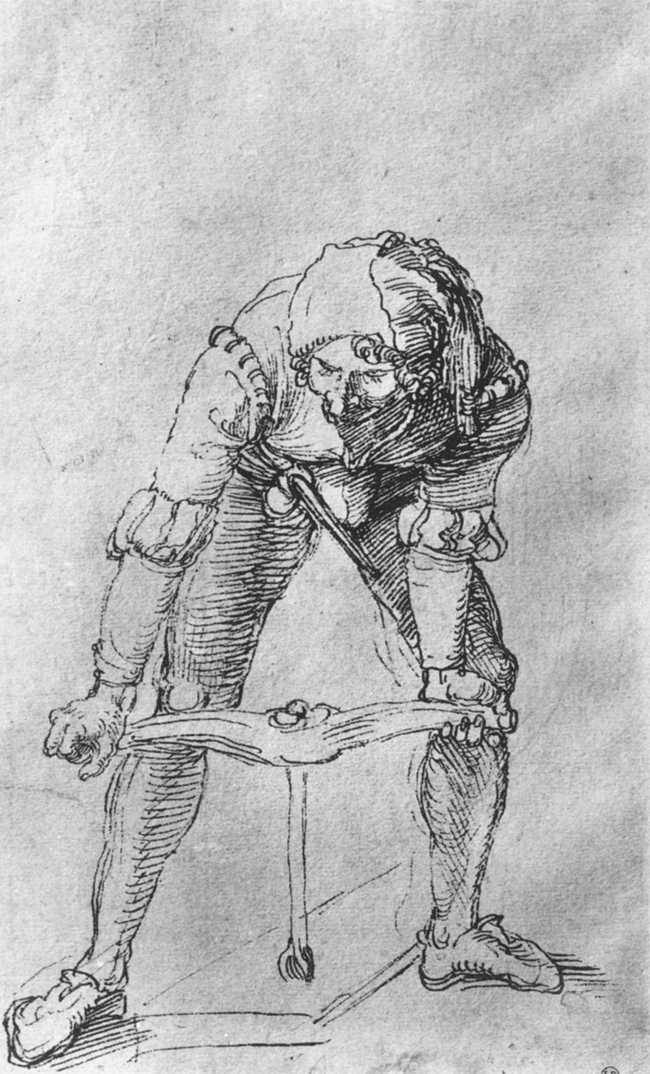 Study of a man with a Drill
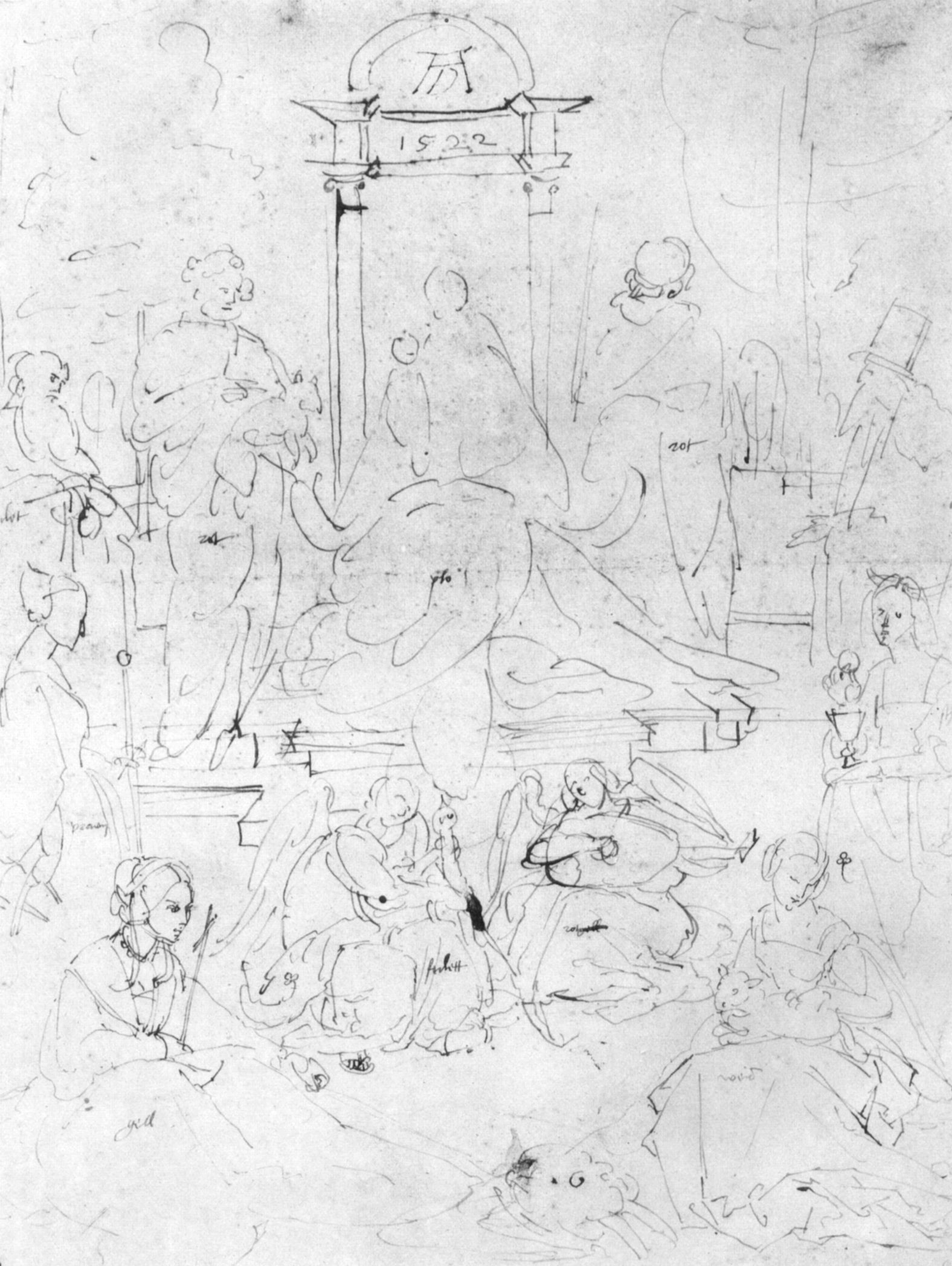 Studies on a great "picture of the Virgin" Madonna and Child, saints and angels playing