Peter Paul Rubens
Barroco Pintura barroca flamengaBiografia
A Flemish painter, Peter Paul Rubens’ Baroque style emphasized movement, sensuality and color. Although he was raised as a Catholic and painted Counter-Reformation pieces f or the church, he was born into a Protestant family. In 1568, his mother and father fled the Spanish Netherlands due to persecution of Protestants. Jan Rubens, Peter Paul’s father, began a sordid affair with the woman to whom he was court advisor, Anna of Saxony. His father was imprisoned for the affair and two years after his death, Peter and his family returned to Antwerp, in the Netherlands, and beginning at the age of twelve was raised as a Catholic. He began his artistic apprenticeship at age fourteen and completed his education in 1598, when he became an independent master painter. During his career, Rubens traveled to Italy and Spain, and was influenced by the great works of Titian, Veronese, and Tintoretto, as well as Leonardo da Vinci, Raphael, and Michelangelo. He returned to Antwerp upon his mother’s death in 1608, and remained there as a court painter for the Archduke of Austria, and received special privileges as both a painter and a court diplomat. In 1610, Rubens moved into the house that would become his studio, where he taught students and created most of his paintings. This house has now become the Rubenshius Museum. His most famous students, friends and collaborators were Frans Snyders, Anthony van Dyck, and Jan Brueghel the Elder. Throughout his life, he was relied upon not only as a master painter, but one whose diplomat talents were required by many a court. Between 1627 and 1630, he traveled between England and Spain, in attempts to create a truce between the two nations. He was knighted by both the Spanish monarch, Philip V, and the English King, Charles I. Cambridge University also awarded him an honorary Master’s Degree. Four years after the death of his first wife, Rubens, who was 53 years old at the time, was married to a 16 year old named Helene Fourment, whom he used as model in many of his later paintings. His fondness for the full figured woman has since spurned the term “Rubenesque,” which is still used in Dutch to refer to such women.
Obras no acervo
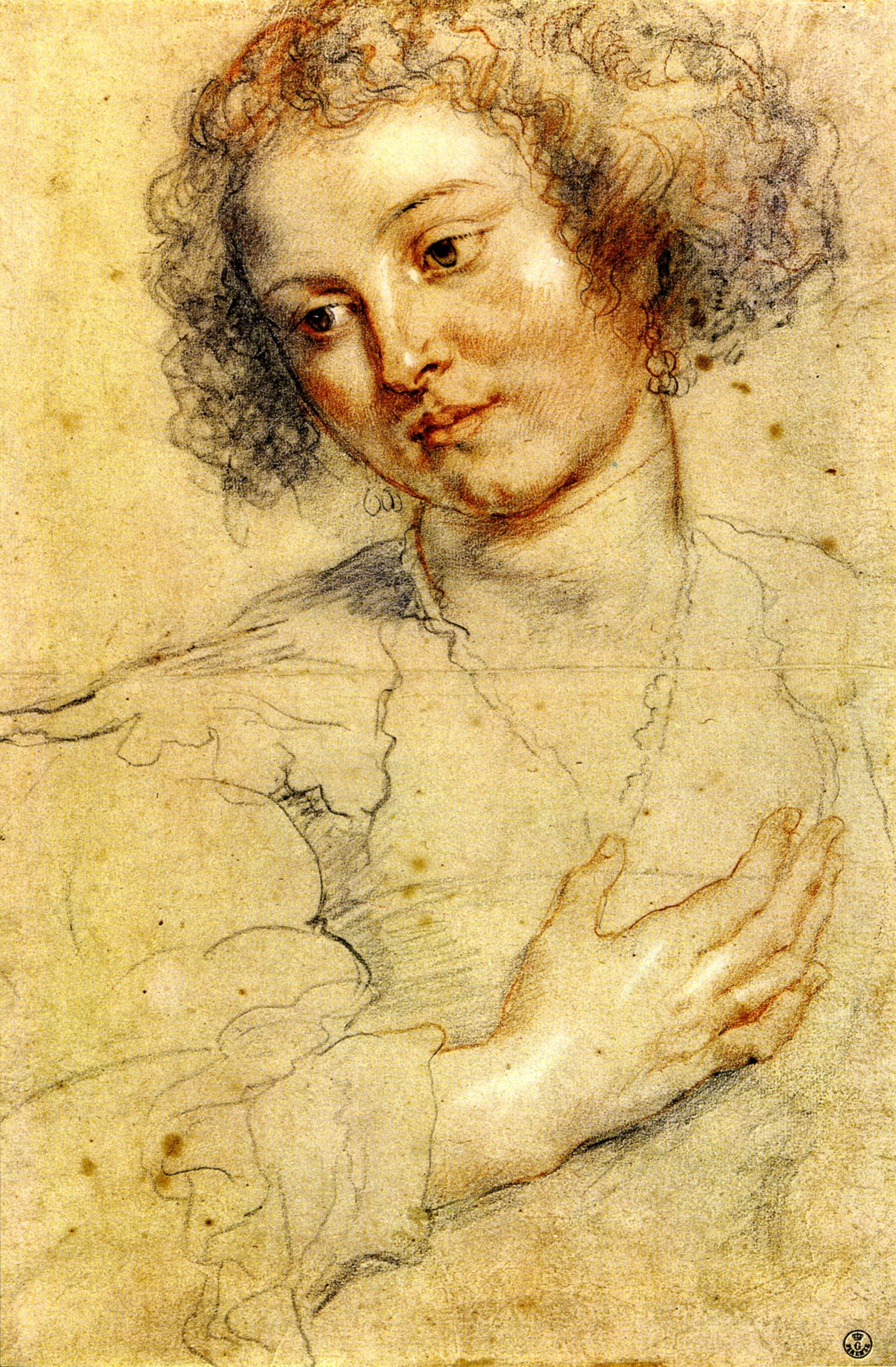 Head and Right Hand of a Woman
Ulysses and Nausicaa on the Island of the Phaeacians
Head and Right Hand of a Woman
Ulysses and Nausicaa on the Island of the Phaeacians
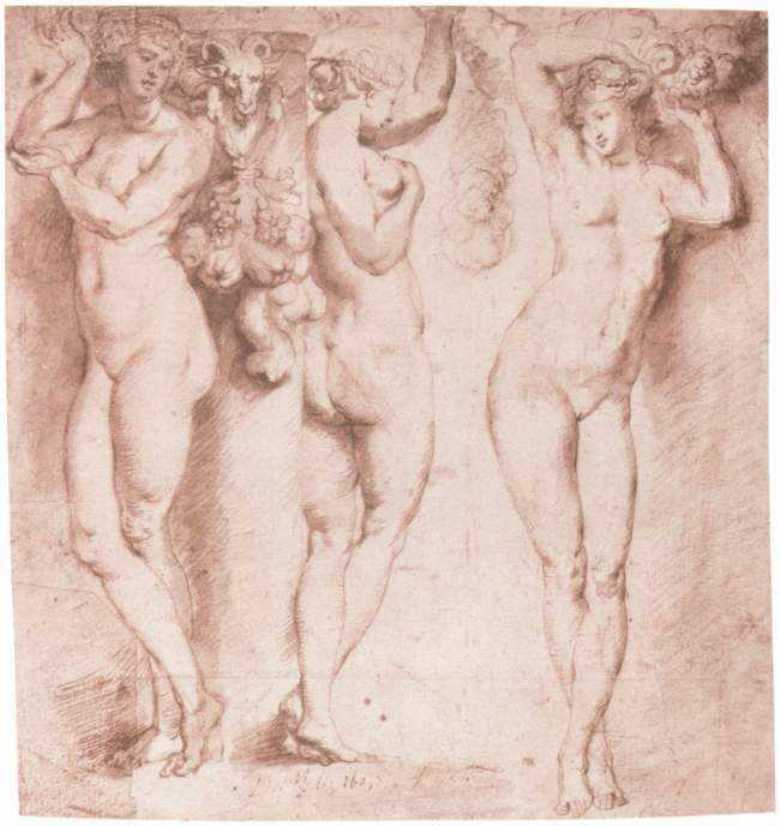 The Three Caryatids
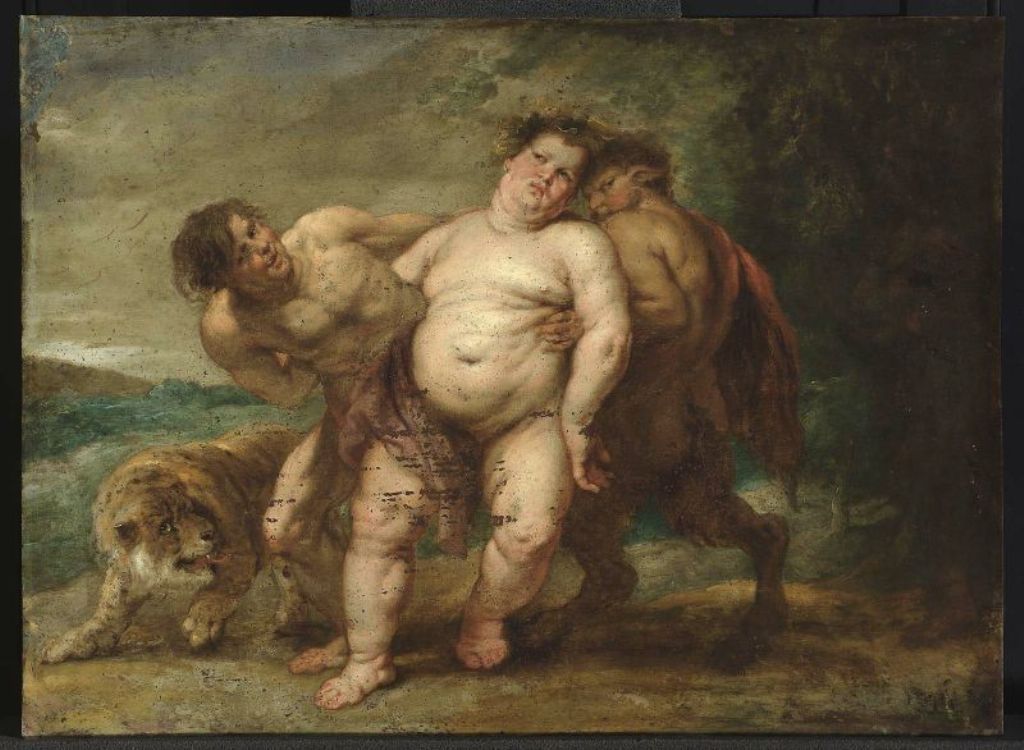 Drunken Bacchus with Faun and Satyr
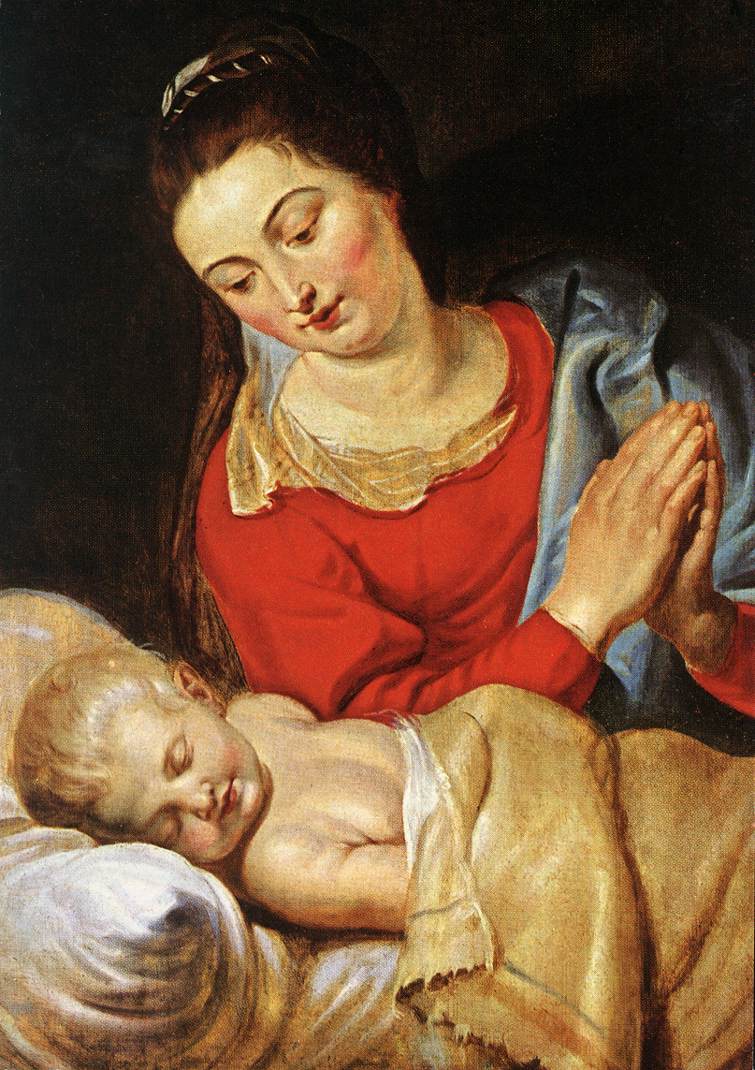 Virgin and Child
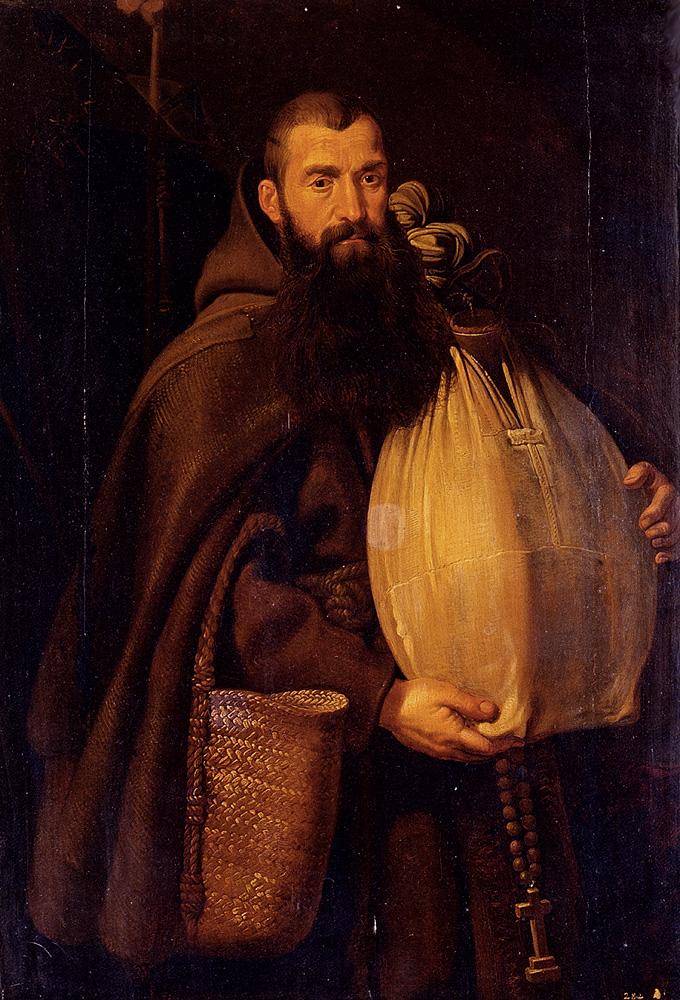 Saint Felix Of Cantalice
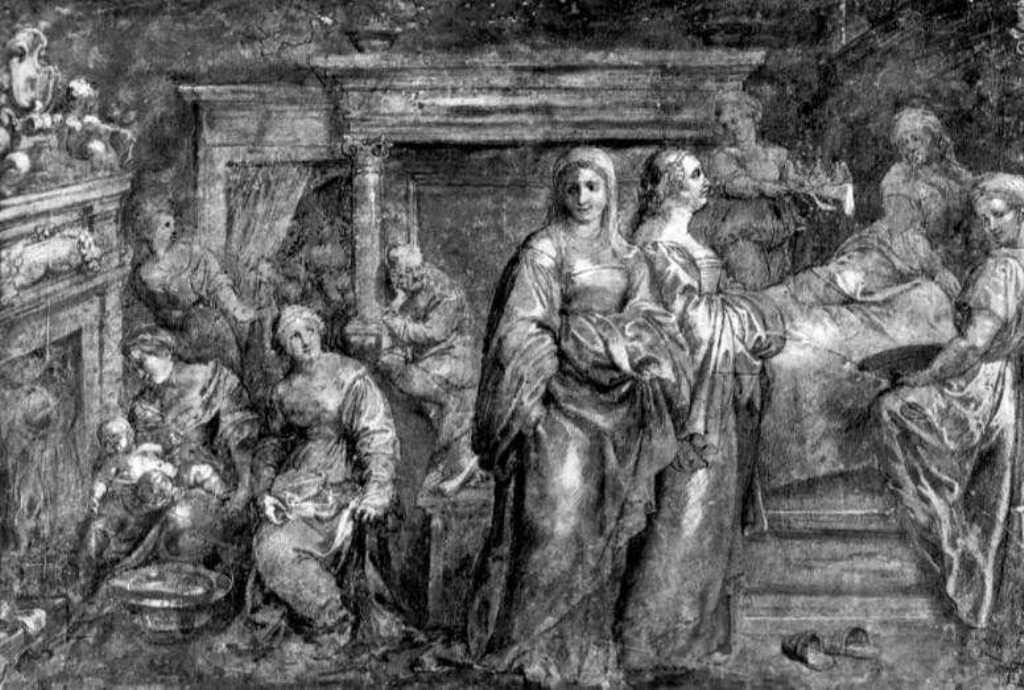 The Nativity of the Virgin Mary
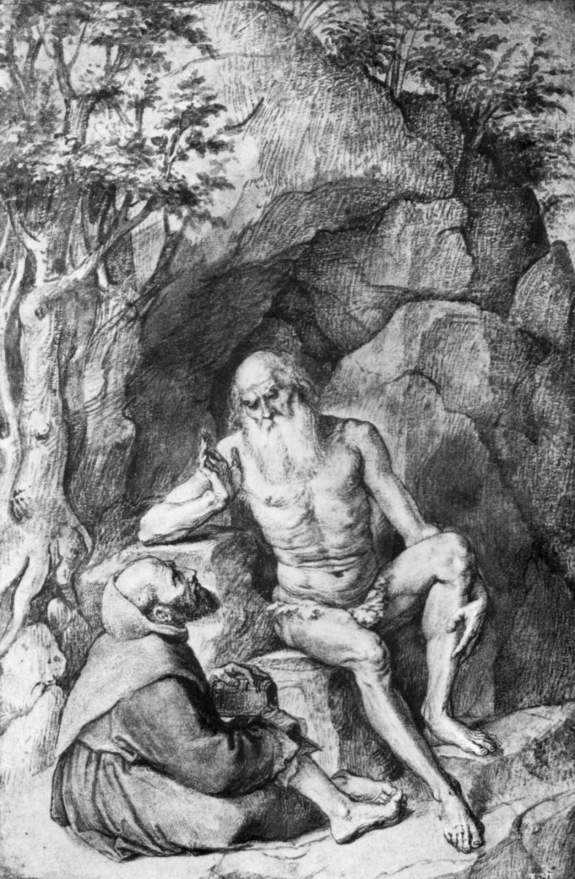 St. Onufrij Instruct Monk
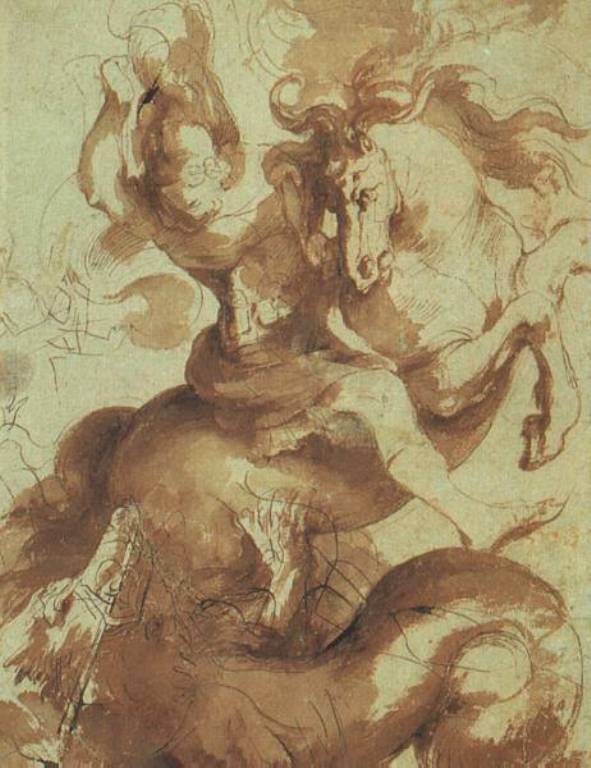 St. George Slaying the Dragon
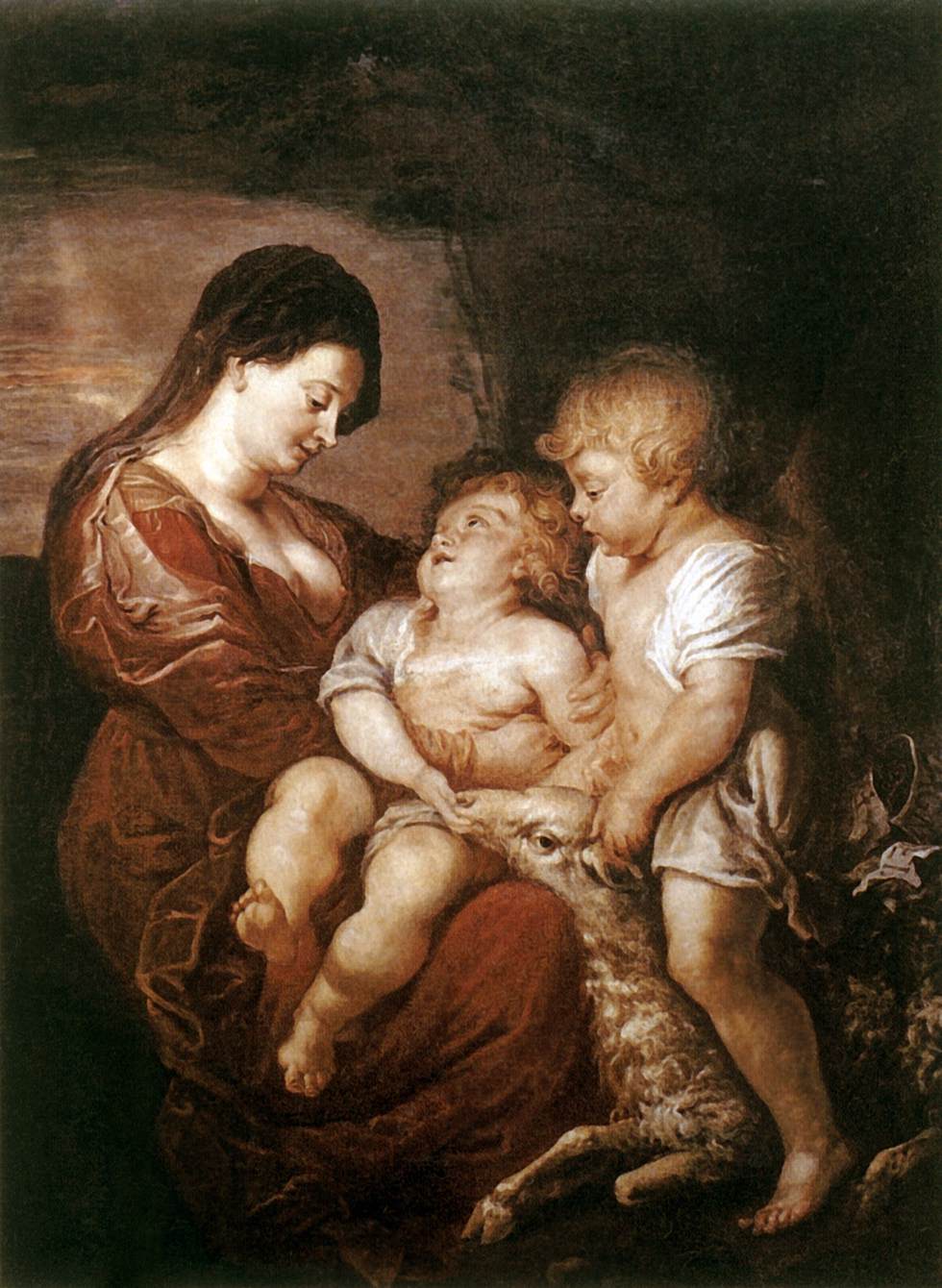 Virgin and Child with the Infant St. John
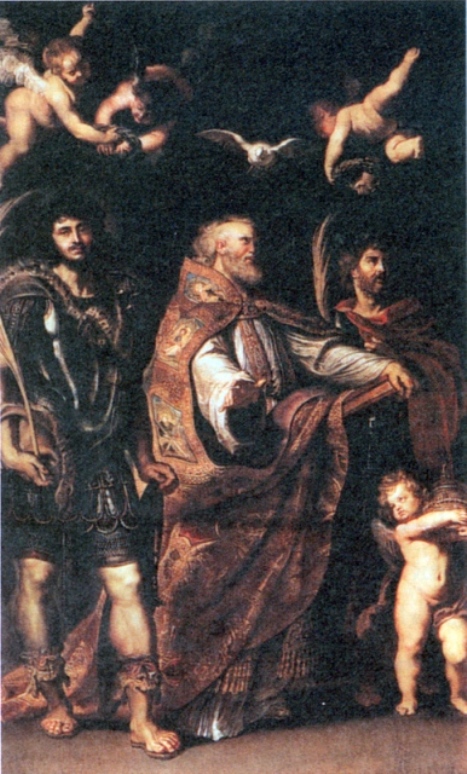 St. George with St. Maurus and Papianus
The Fate Spinning Maries Destiny
St. George with St. Maurus and Papianus
The Fate Spinning Maries Destiny
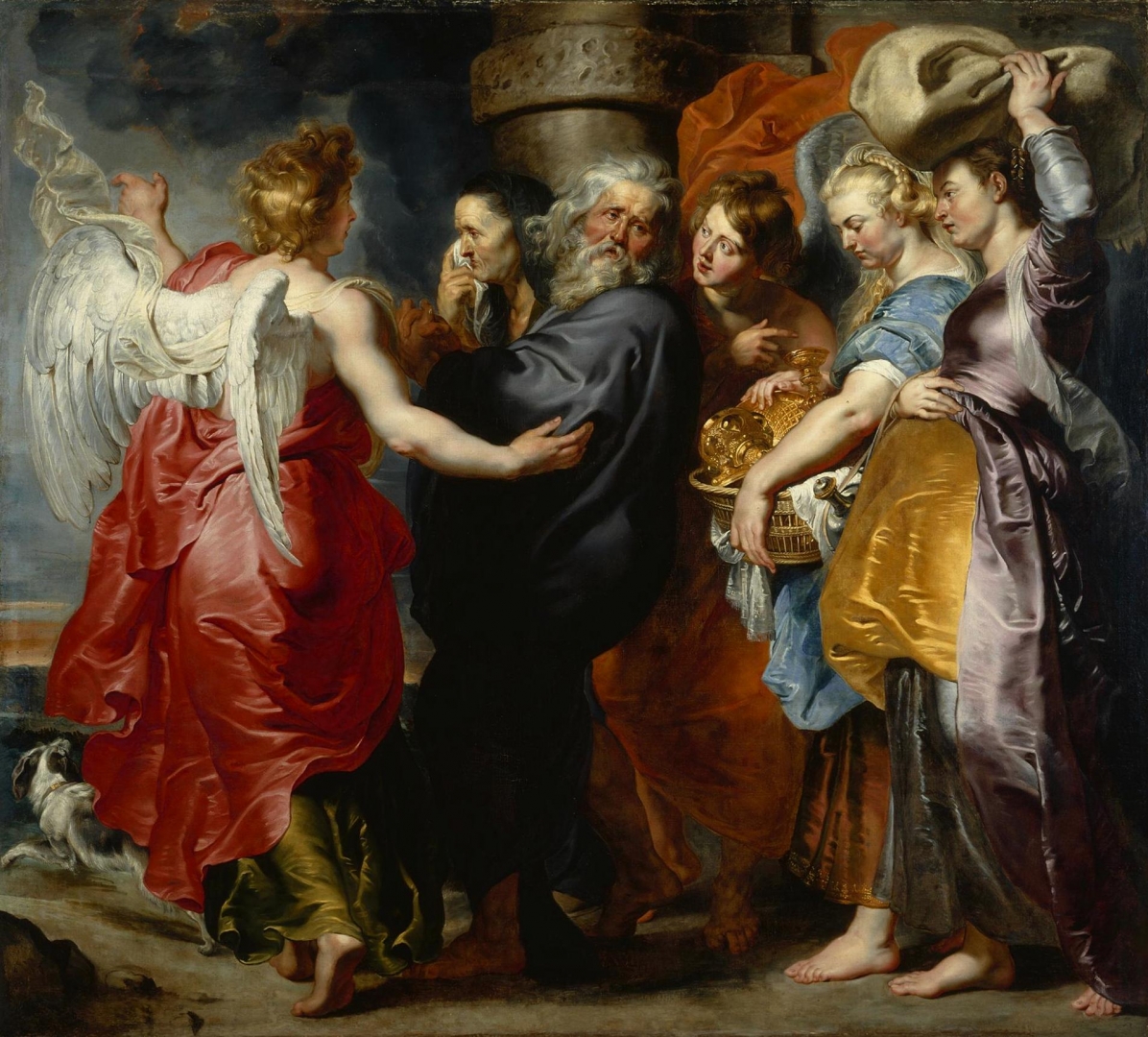 The Departure of Lot and His Family from Sodom
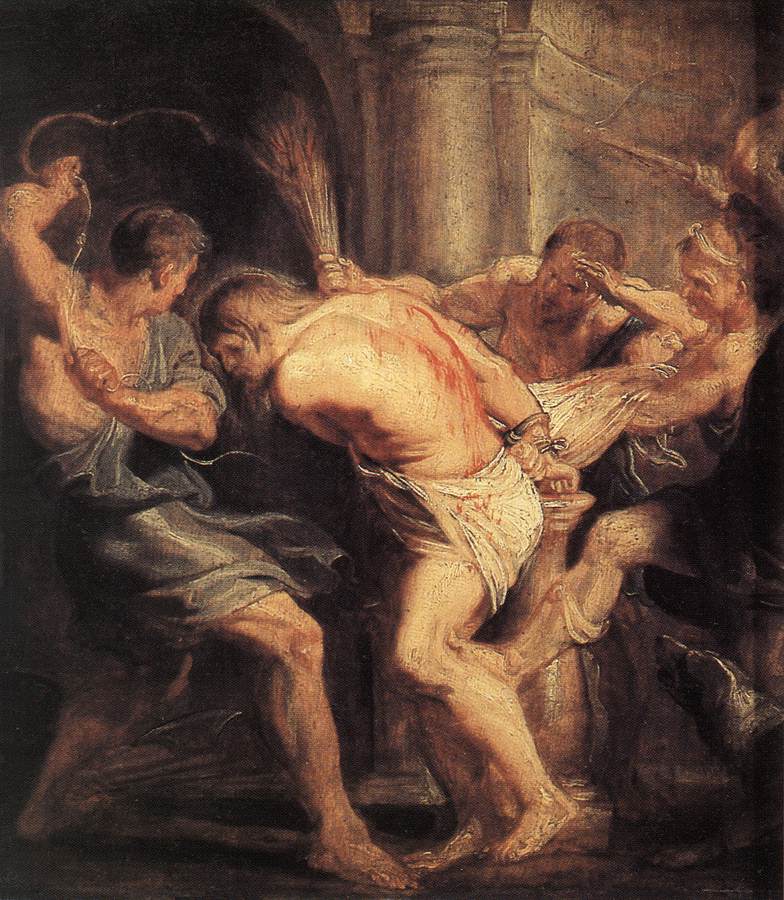 The Flagellation of Christ
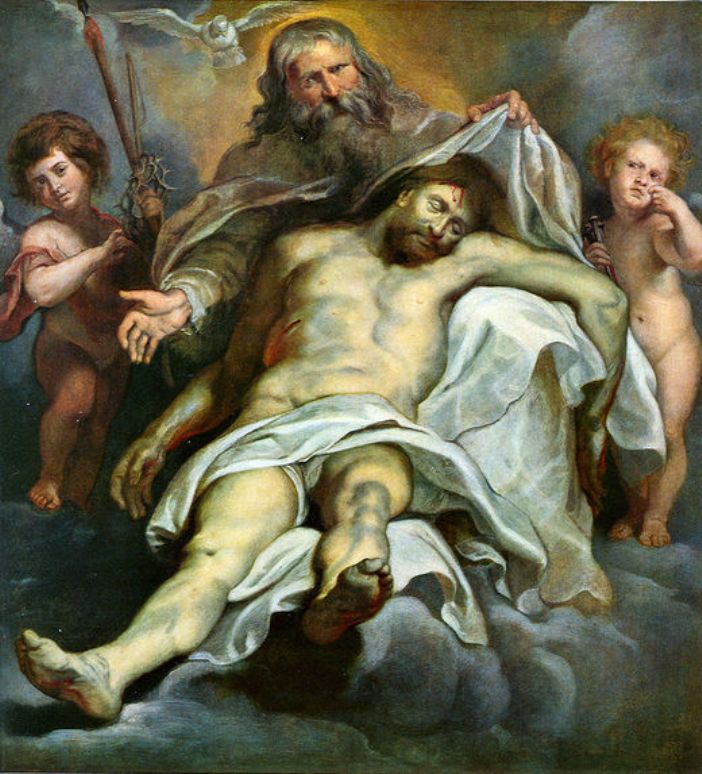 Holy Trinity
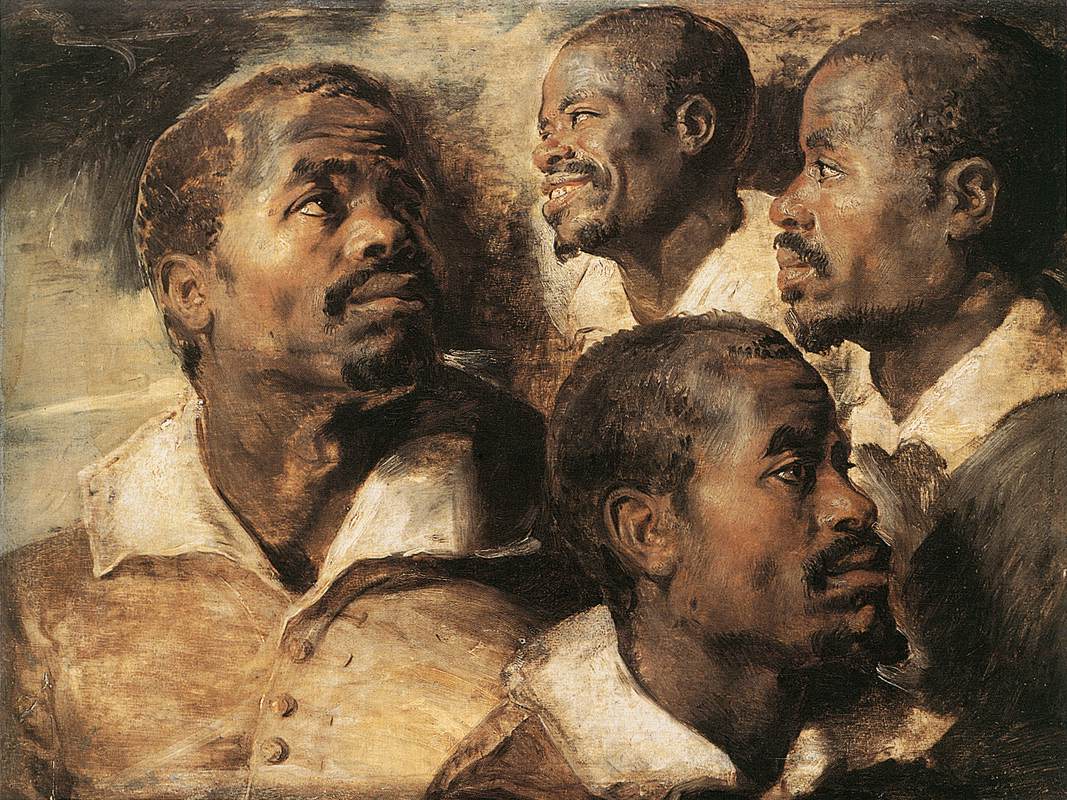 Studies of the Head of a Negro
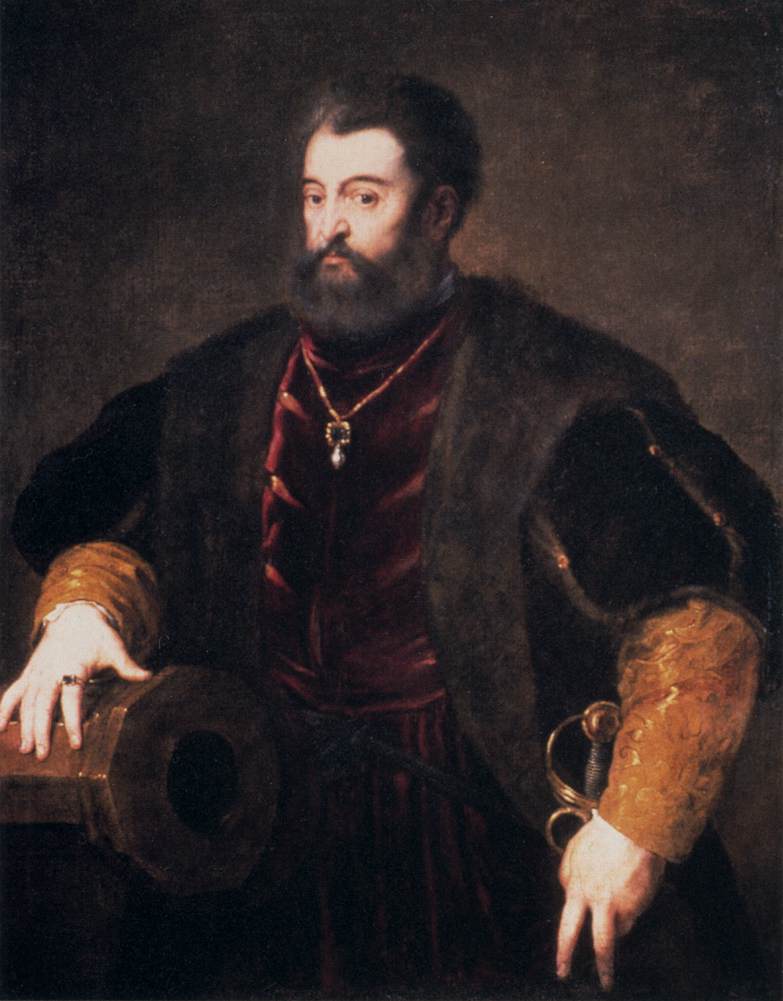 Alfonso I d'Este, Duke of Ferrara
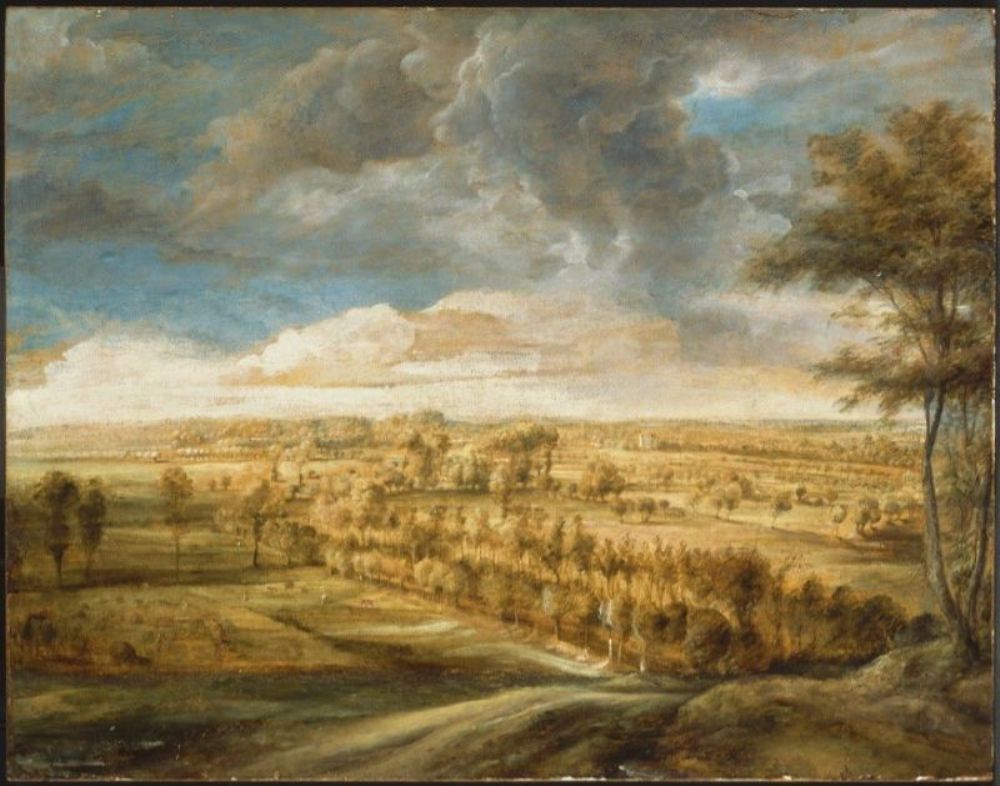 Landscape with an Avenue of Trees
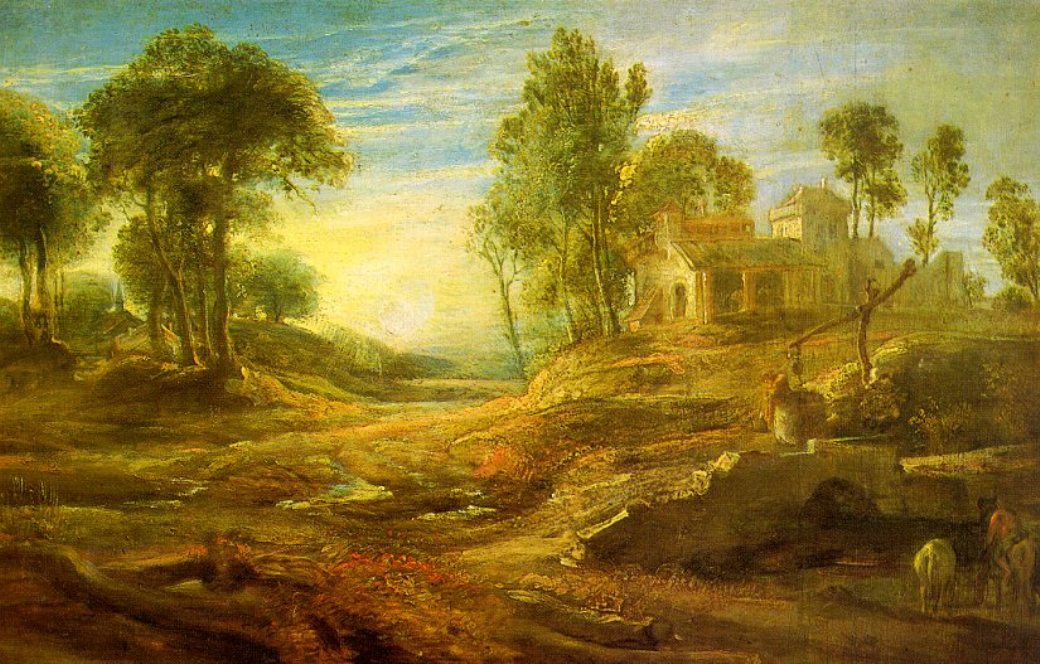 Landscape with a Watering Place
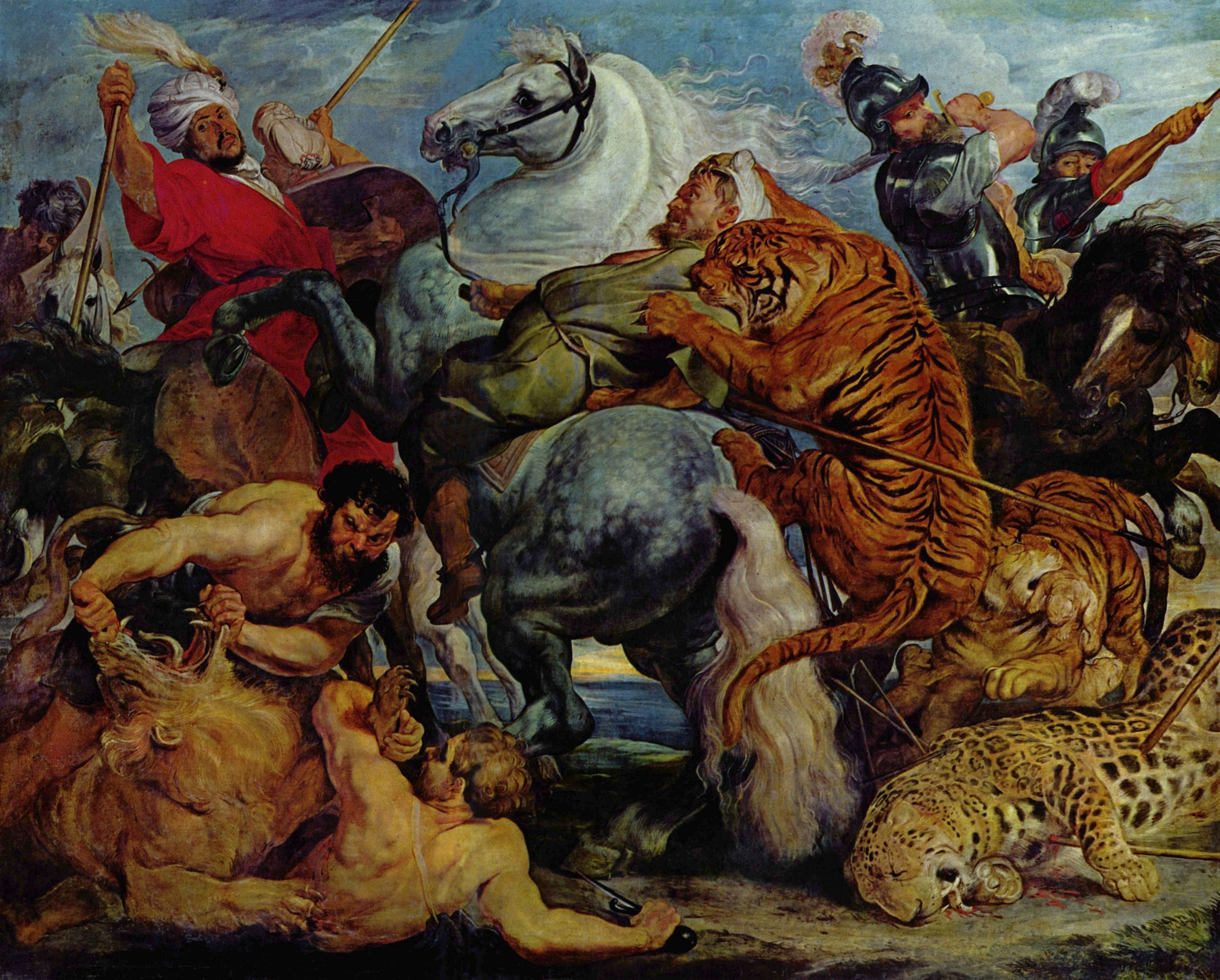 Tiger and Lion Hunting
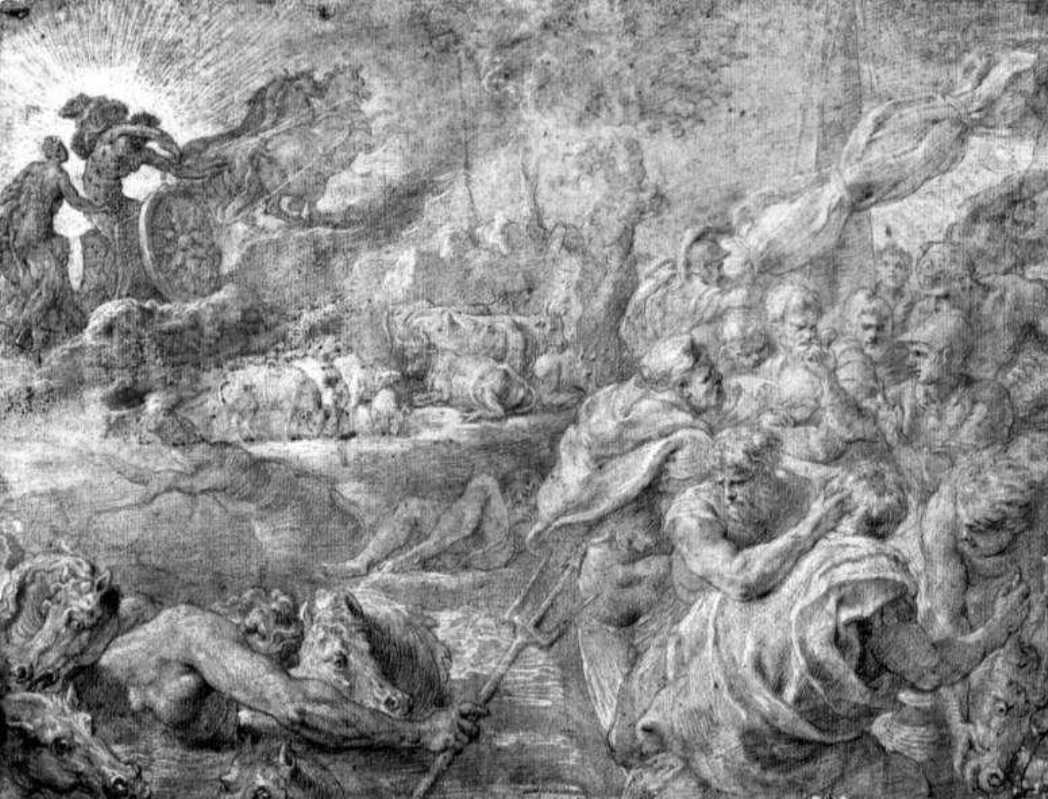 The Abduction of Bulls
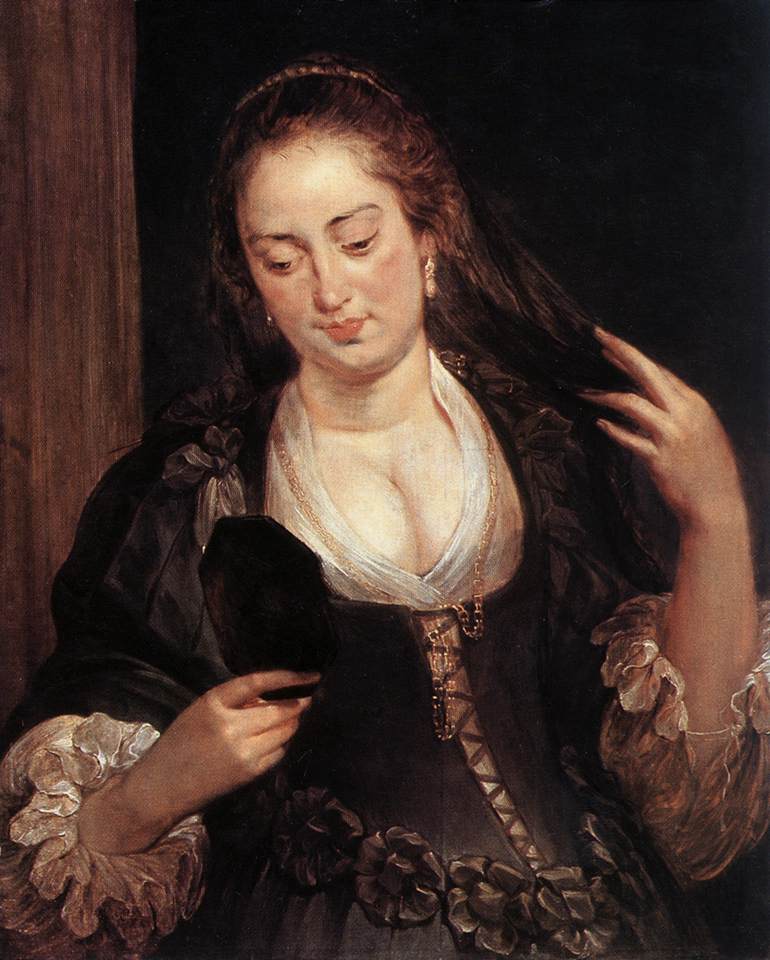 Woman with a Mirror
1640
Woman with a Mirror
1640
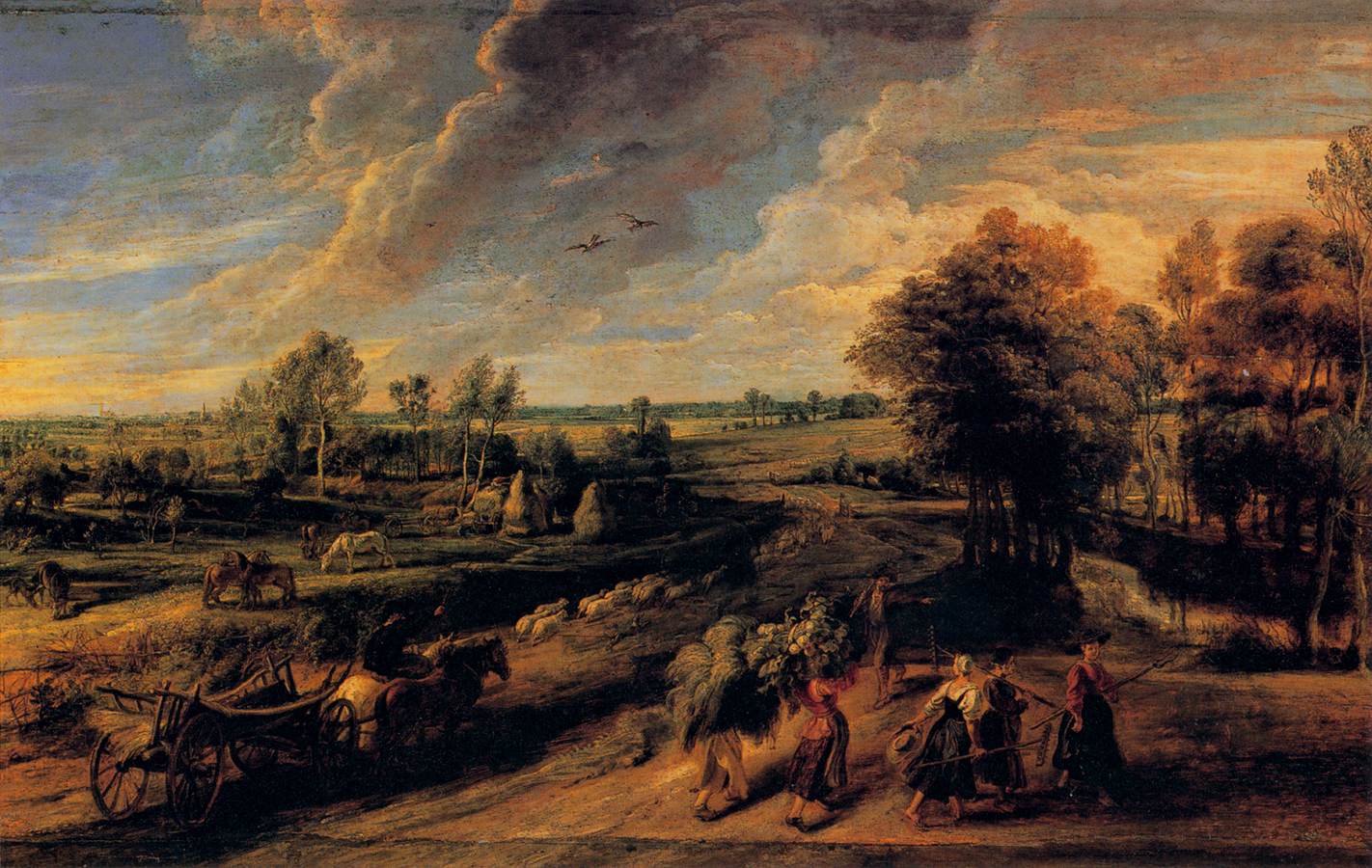 The Return of the Farm Workers from the Fields
1640
The Return of the Farm Workers from the Fields
1640
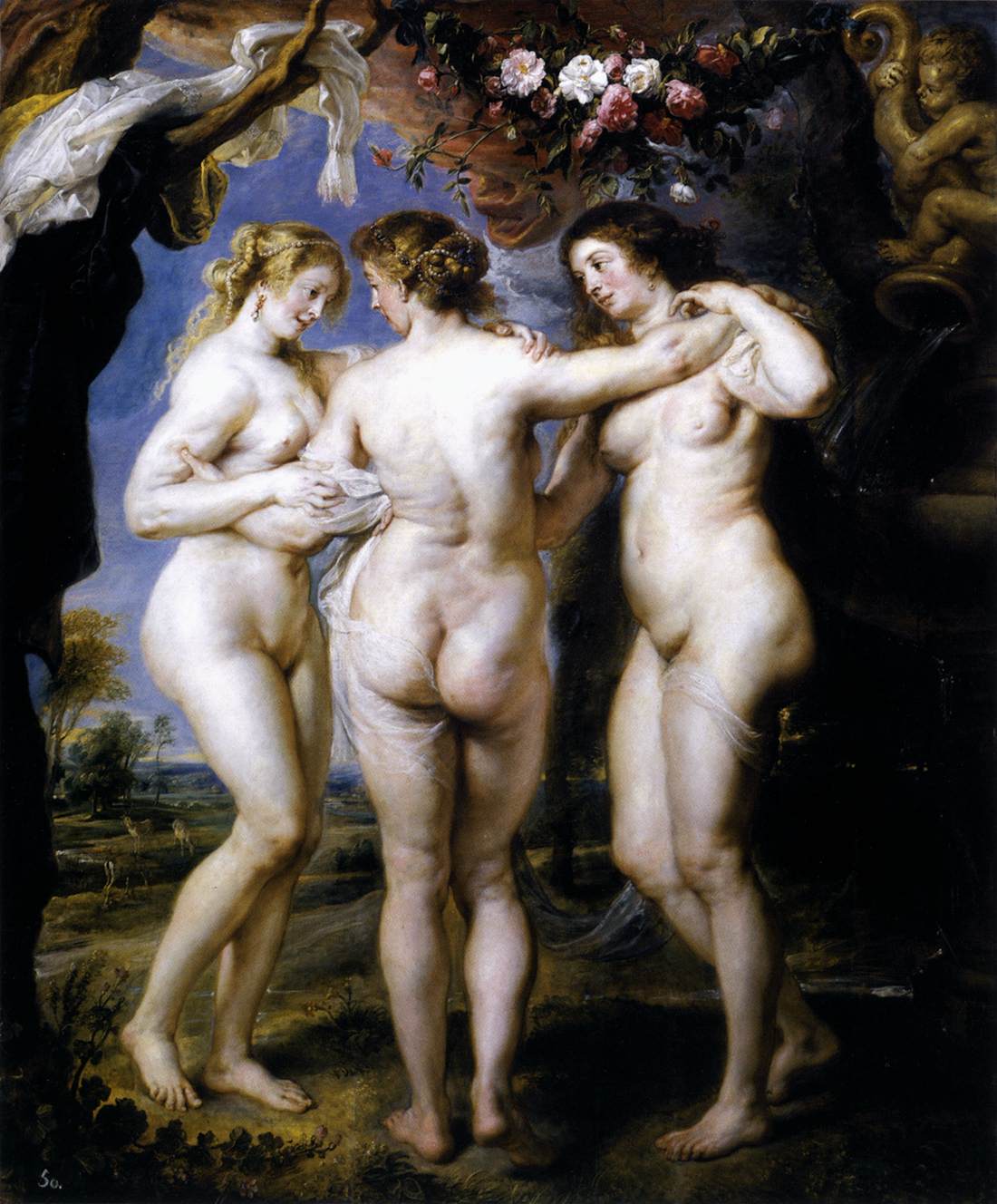 The Three Graces
1639
The Three Graces
1639