Sandro Botticelli
Renascença italianaBiografia
Alessandro di Mariano Filipepi, known as Botticelli, was one of the most representative artists of Florentine culture; he was unique in his ability to translate into ideas and images the will of Lorenzo de Medici (ruler of the Florentine Republic and the most enthusiastic patron of arts), and the spirit of nascent Renaissance. Interpreting the linear Florentine style, based on the design rather than on the chiaroscuro, Botticelli pursued an ideal perfection of the form and created sophisticated timeless allegories. Botticelli was born at the time when a new artistic language was exploding in Florence. During the 15th century, Florentine painting developed its most significant achievement: a pictorial naturalism. Botticelli was educated in the workshop of a goldsmith, and this practice initiated his passion about the minute details clearly visible in his paintings. He continued his education in two of the most important workshops in Florence. First, he spent three years learning from Filippo Lippi. During this time, he made several representations of Madonnas, such as Madonna with Child (1467). The similarity with the style of Lippi is evident in these works. Next, Botticelli worked with Andrea del Verrochio, where he could develop his artistic language. In the 1470s, Botticelli started to work as an independent master. He opened his workshop and was teaching disciples. At the same time, he approached the environment of the Medici court, introduced by the Vespucci family who owned the house where he resided. Botticelli shared the ideas of the Neoplatonic Academy, an institution founded by Cosimo de Medici. The Academy played a key role in defining Renaissance philosophy, rediscovering the authors of the classical world, Greek mythology, and placing a man at the center of the universe. Botticelli became the favorite artist of Lorenzo de Medici. In 1481, together with great Florentine painters such as Ghirlandaio and Perugino, Botticelli was commissioned to create frescos of the Stories of Moses and Christ in the Sistine Chapel in Rome. He returned to Florence, now famous, by 1482, and was busy finishing a series of large paintings, such as The Spring (1478-1482) and The Birth of Venus (1483-1485), his most famous masterpieces which he had started before he left. His next oeuvre was Pallas and the Centaur (c.1483). Through complex allegories, these mythological paintings referred to the refined Neoplatonic-inspired culture that surrounded Lorenzo the Magnificent. Commissioned by his cousin, Lorenzo di Pierfrancesco, Botticelli created a series of 93 illustrations for the Divine Comedy. From the late eighties of the 15th century, Botticelli completely left mythological subjects, showing a preference for devotional art, such as altarpieces and chamber paintings, which acquired an increasingly pathetic and dramatic tone. At the end of the century, the artist was deeply influenced by the preaching of Fra Girolamo Savonarola and the fall of the Medici family. His Mystical Nativity (c.1501) evokes the apocalyptic images outlined in the sermons of the friar, in an increasingly simplified, flexuous, timeless and mystical style. His clients didn't like and didn't understand this style, and in 1510 the great genius died, alone, penniless, almost forgotten.
Obras no acervo
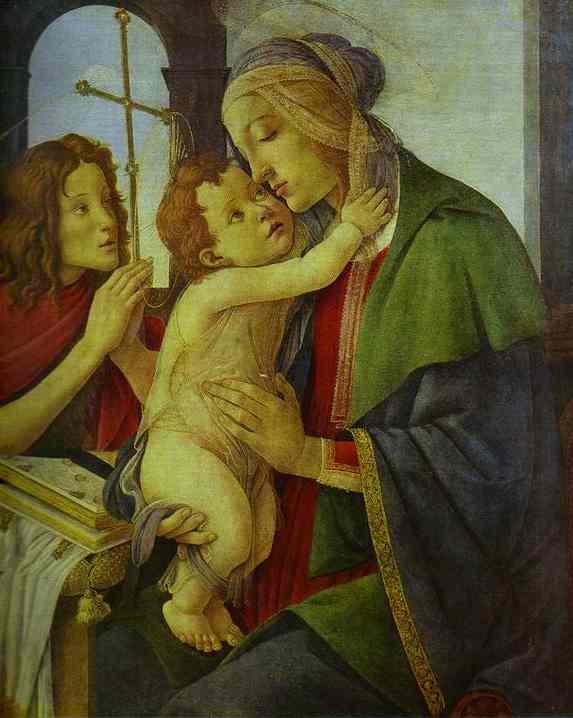 The Virgin and Child with the Infant St. John
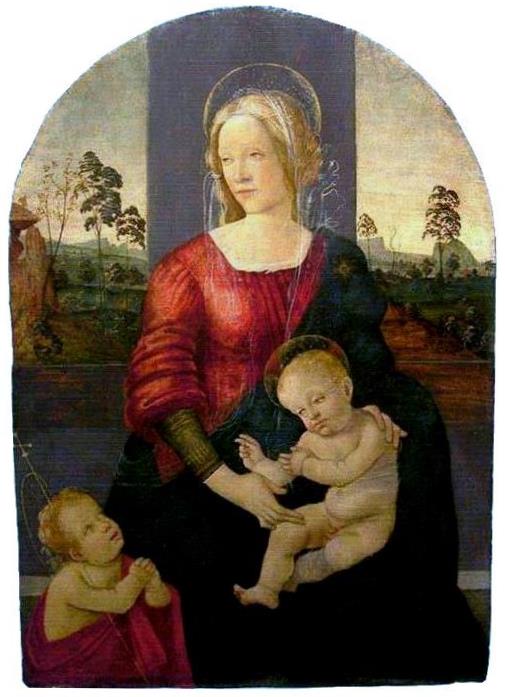 Madonna and Child with St. John the Baptist
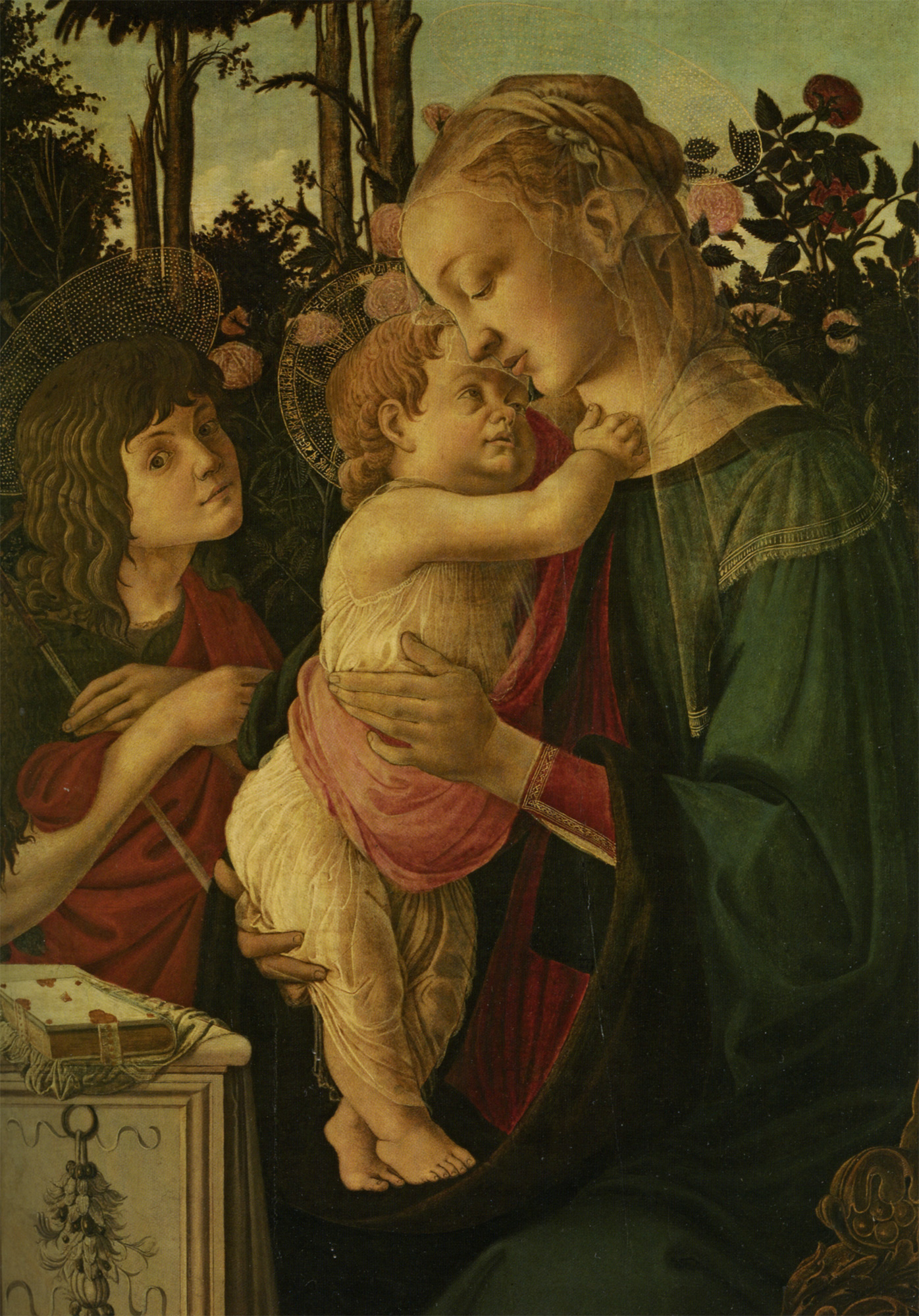 The Madonna and Child with the Infant Saint John the Baptist
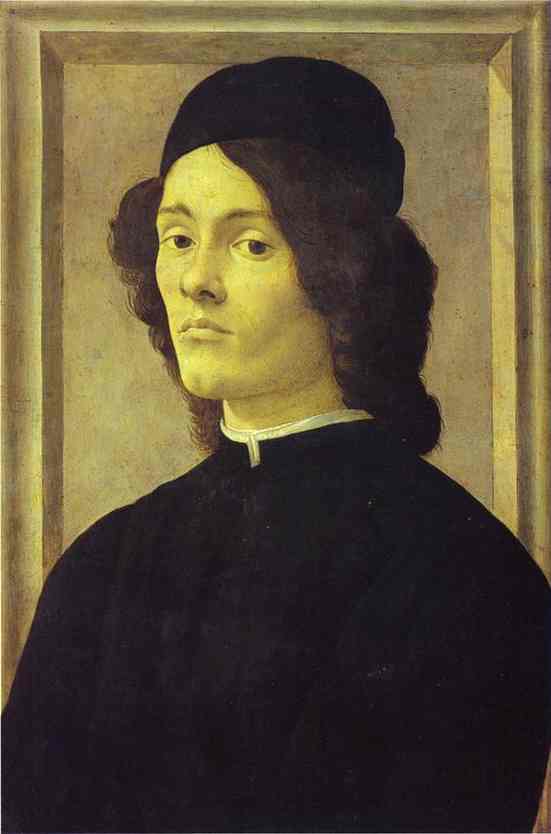 Portrait of a Man
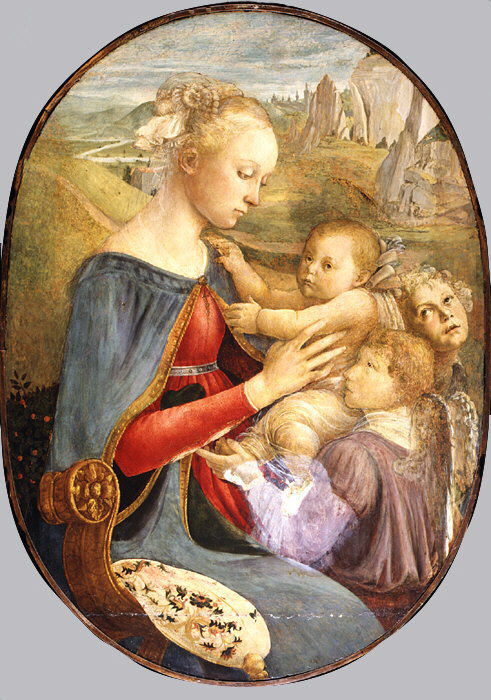 Madonna and Child with Two Angels
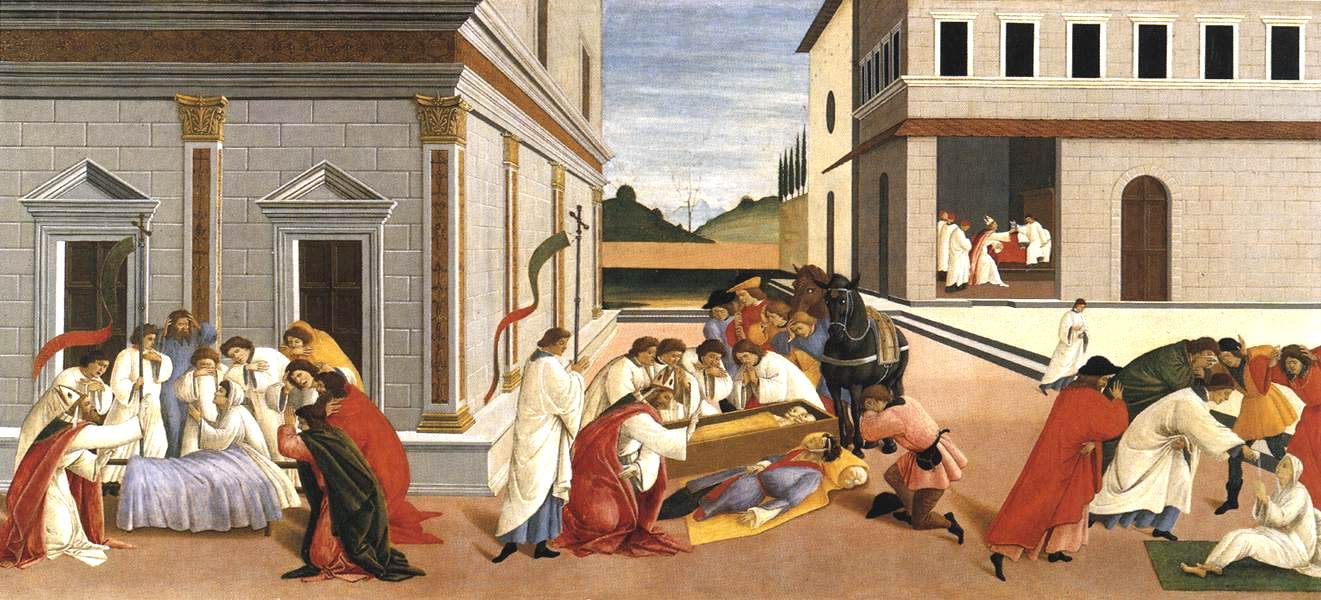 Three Miracles of St Zenobius
1500
Three Miracles of St Zenobius
1500
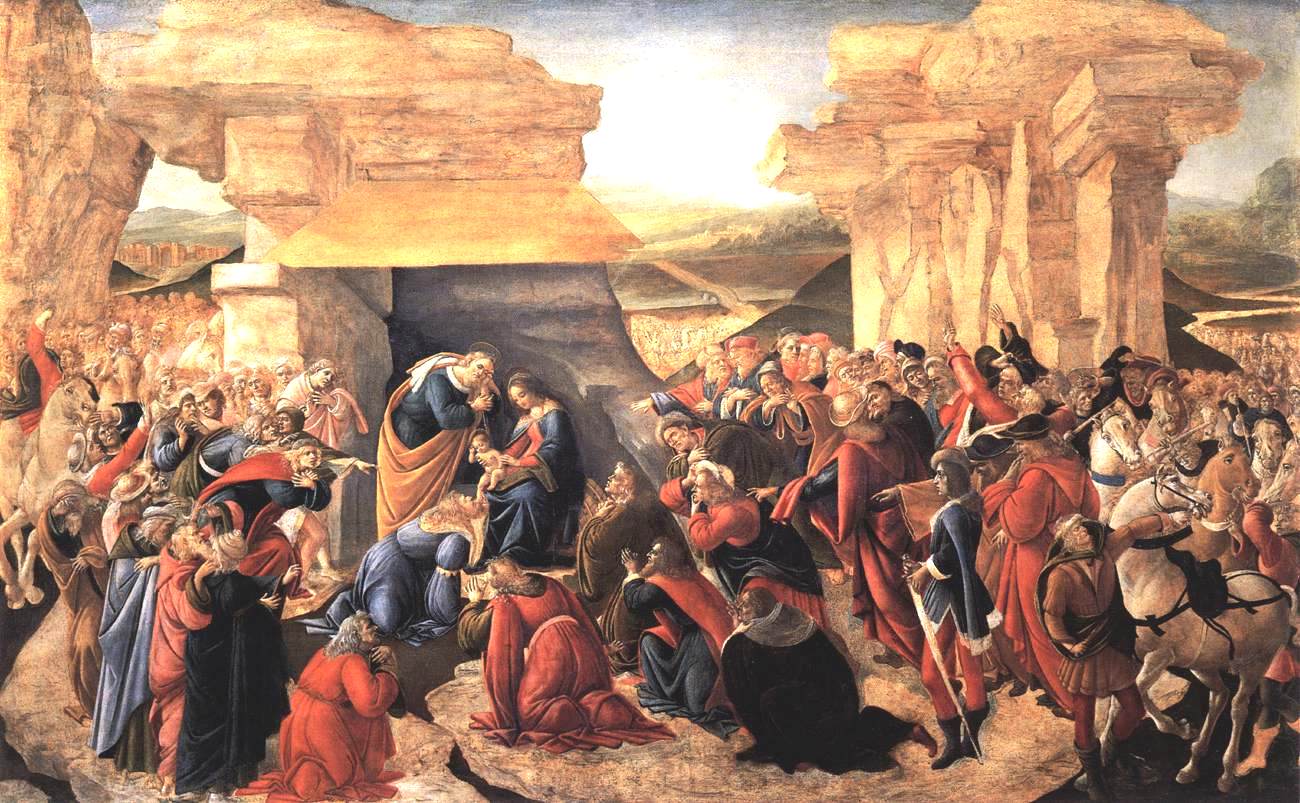 Adoration of the Magi
1500
Adoration of the Magi
1500
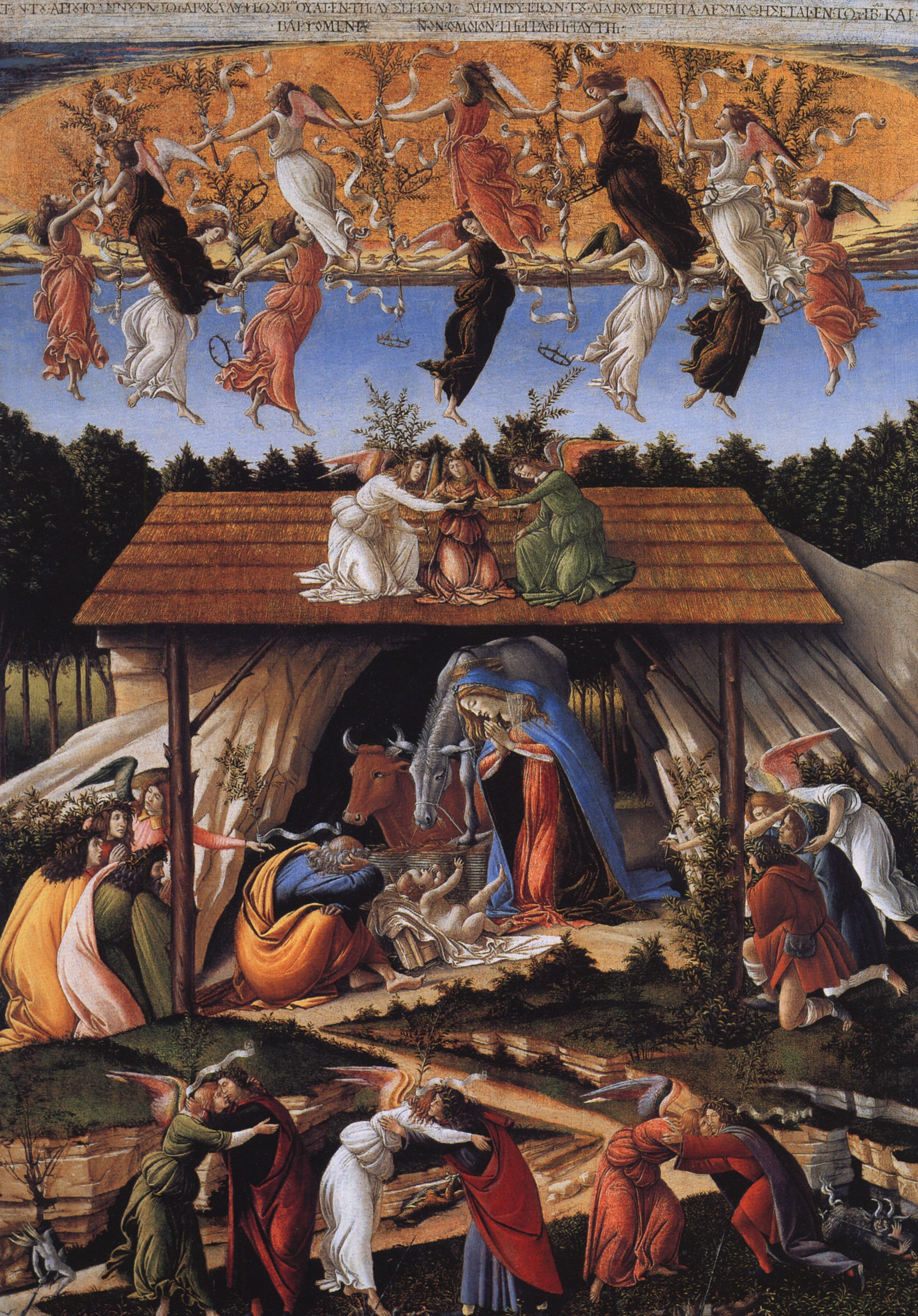 The Mystical Nativity
1500
The Mystical Nativity
1500
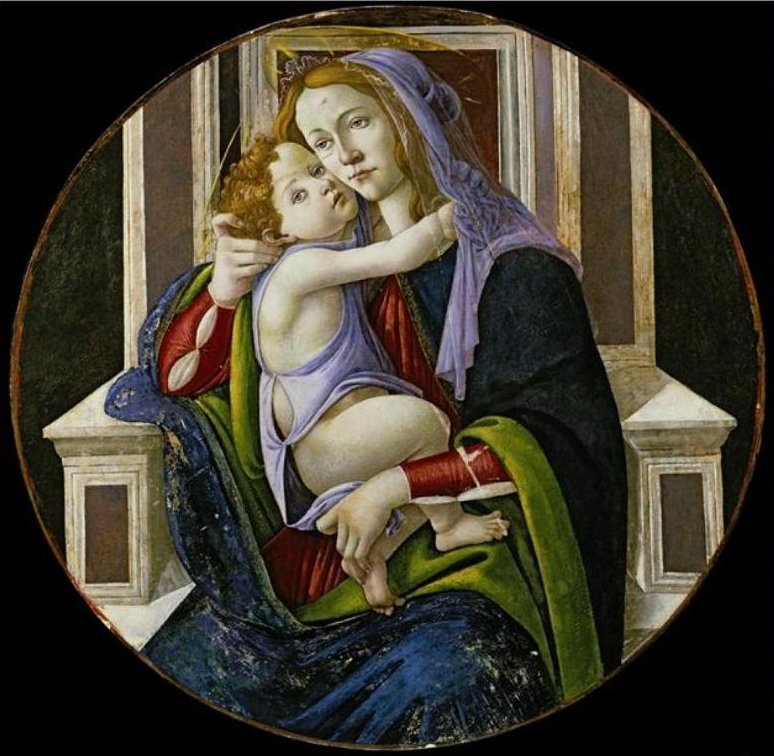 Madonna and Child
1500
Madonna and Child
1500
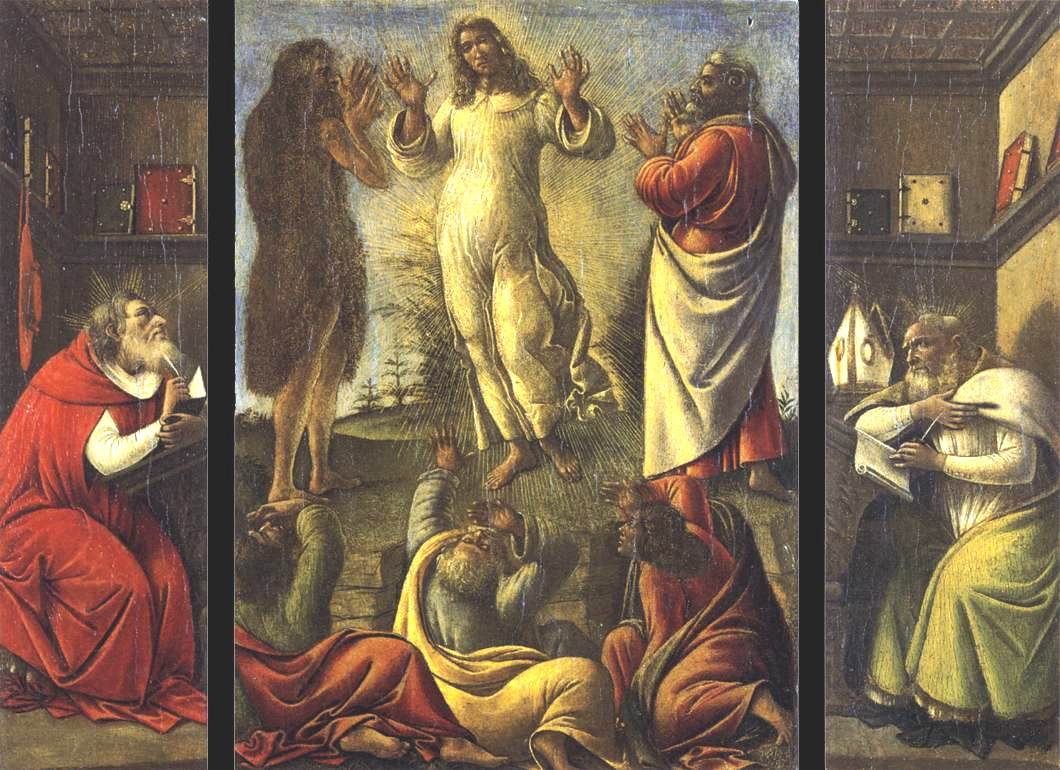 Transfiguration, St Jerome, St Augustine
1500
Transfiguration, St Jerome, St Augustine
1500
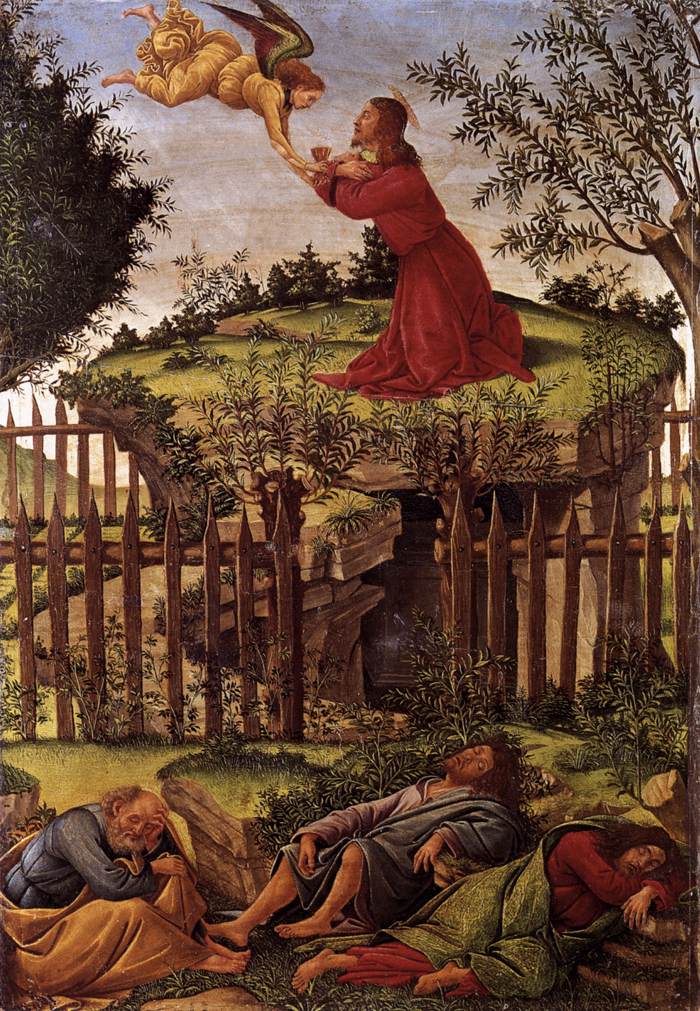 The Agony in the Garden
1500
The Agony in the Garden
1500
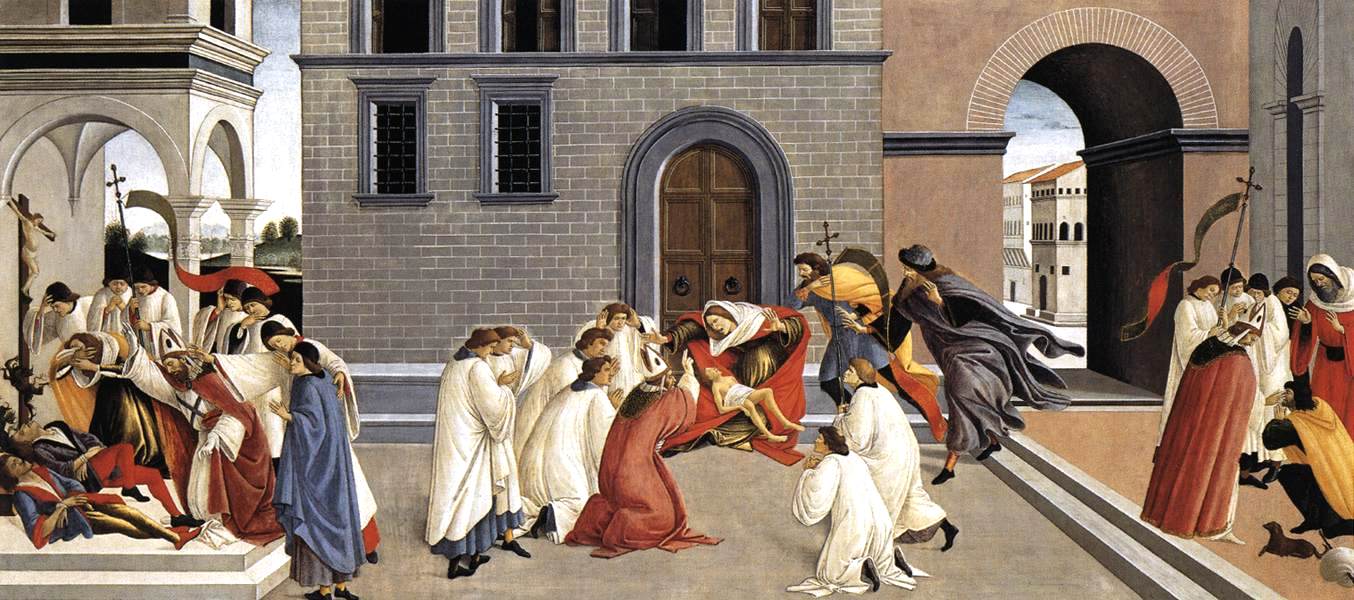 Three Miracles of St Zenobius
1500
Three Miracles of St Zenobius
1500
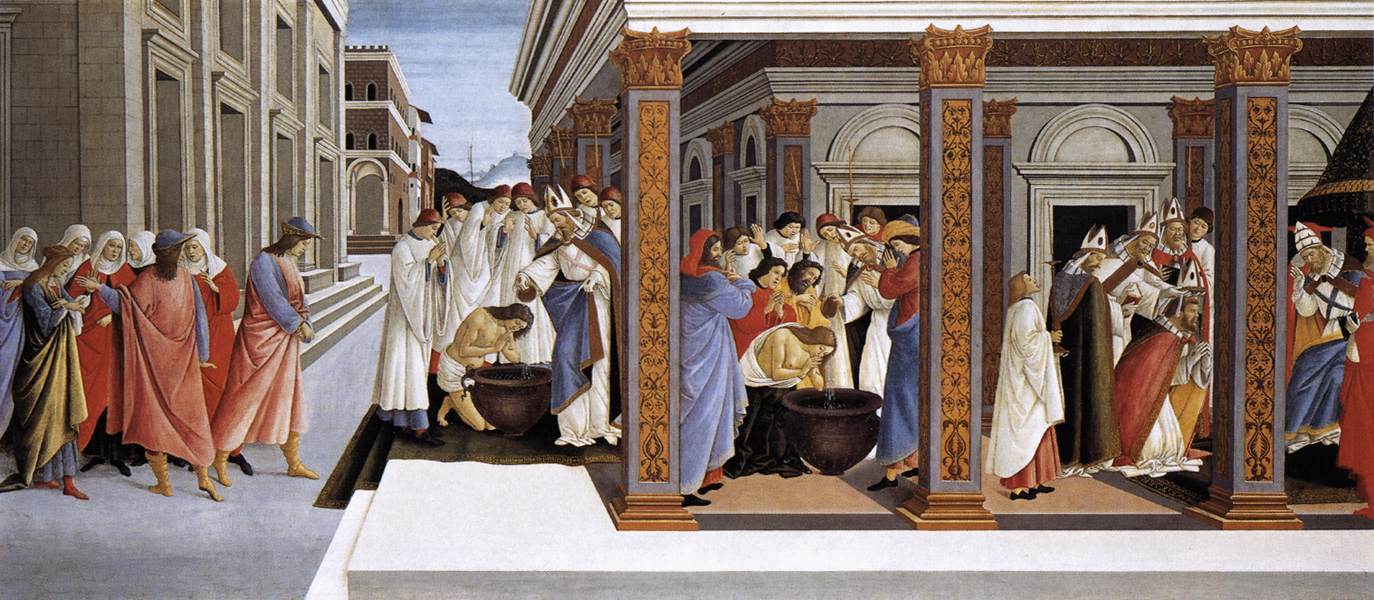 Baptism of St Zenobius and His Appointment as Bishop
1500
Baptism of St Zenobius and His Appointment as Bishop
1500
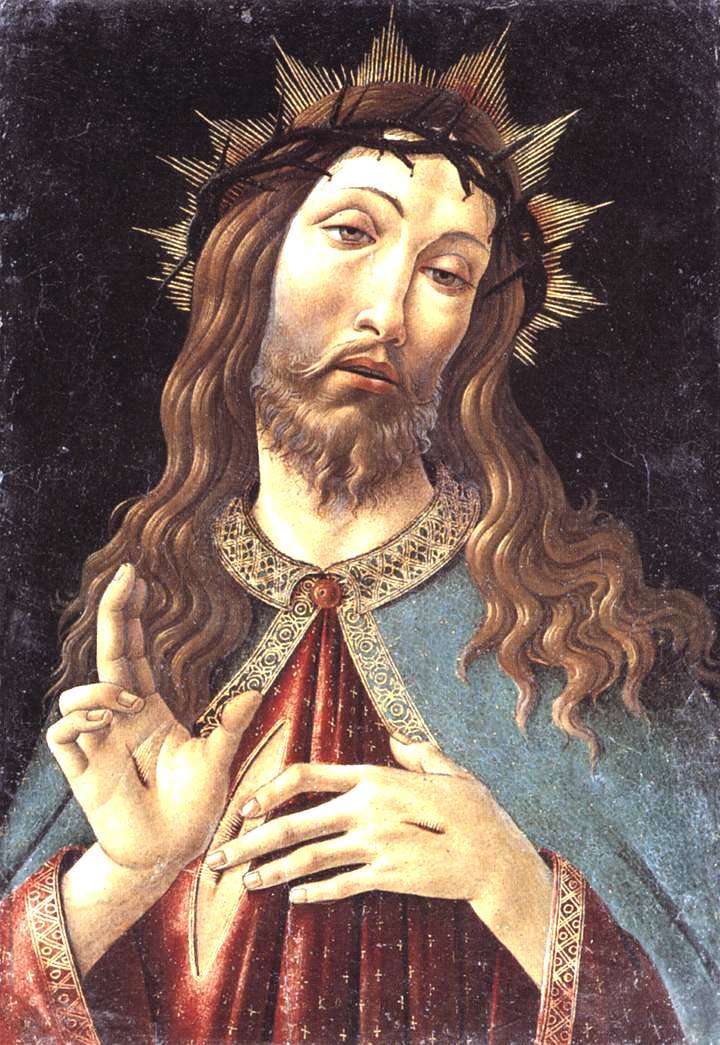 Christ Crowned with Thorns
1500
Christ Crowned with Thorns
1500
.jpg) Serie von vier Gemälden zum Leben des Hl. Zenobius von Florenz
1500
Serie von vier Gemälden zum Leben des Hl. Zenobius von Florenz
1500
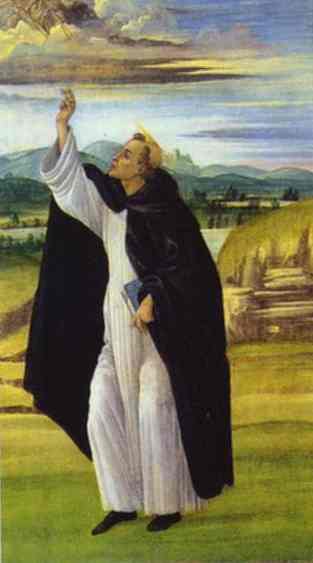 St. Dominic
1498
St. Dominic
1498
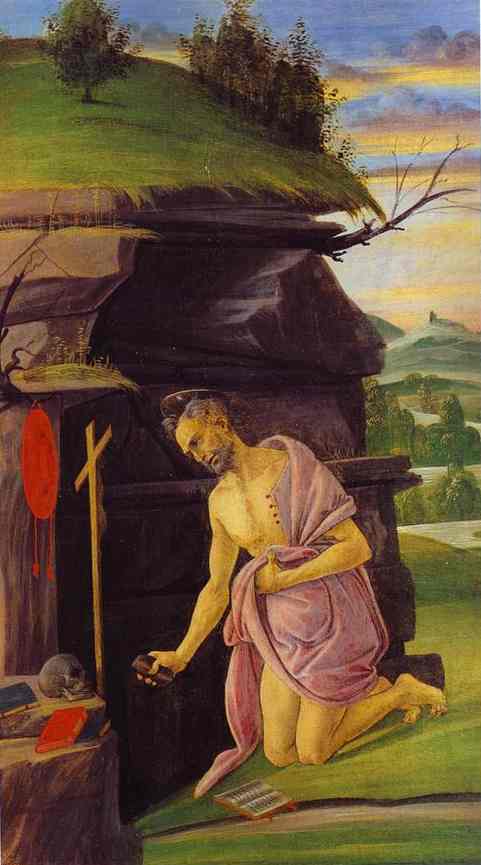 St.Jerome
1498
St.Jerome
1498
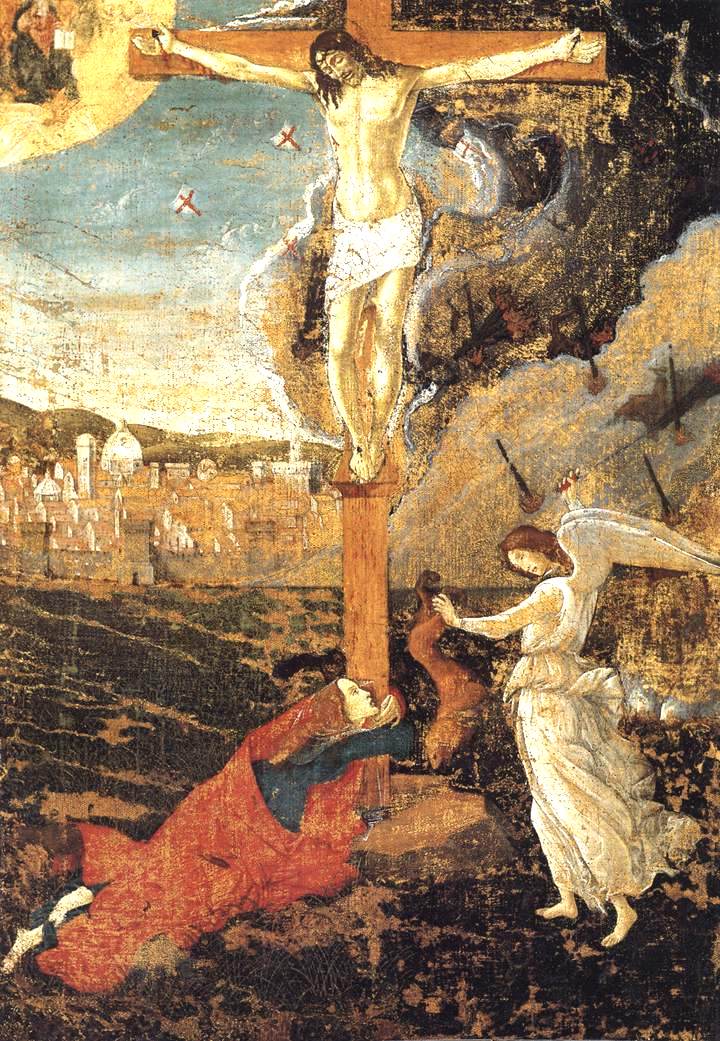 Crucifixion
1497
Crucifixion
1497
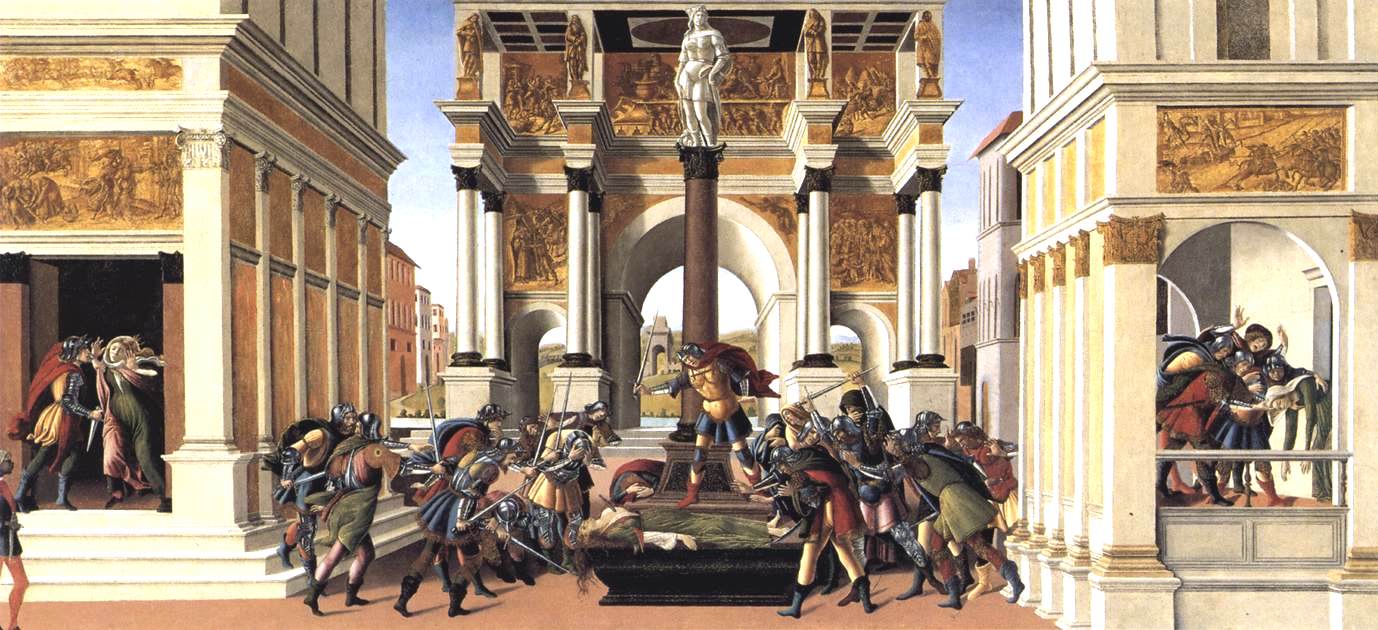 The Story of Lucretia
1496
The Story of Lucretia
1496
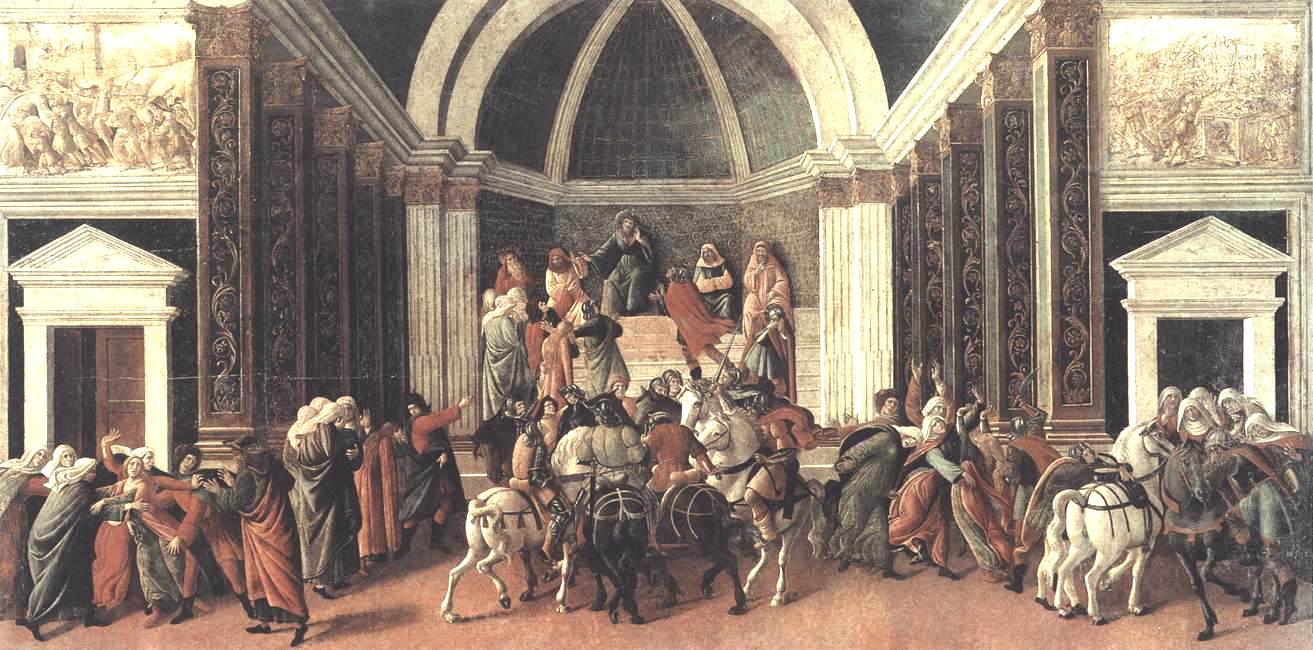 The Story of Virginia
1496
The Story of Virginia
1496
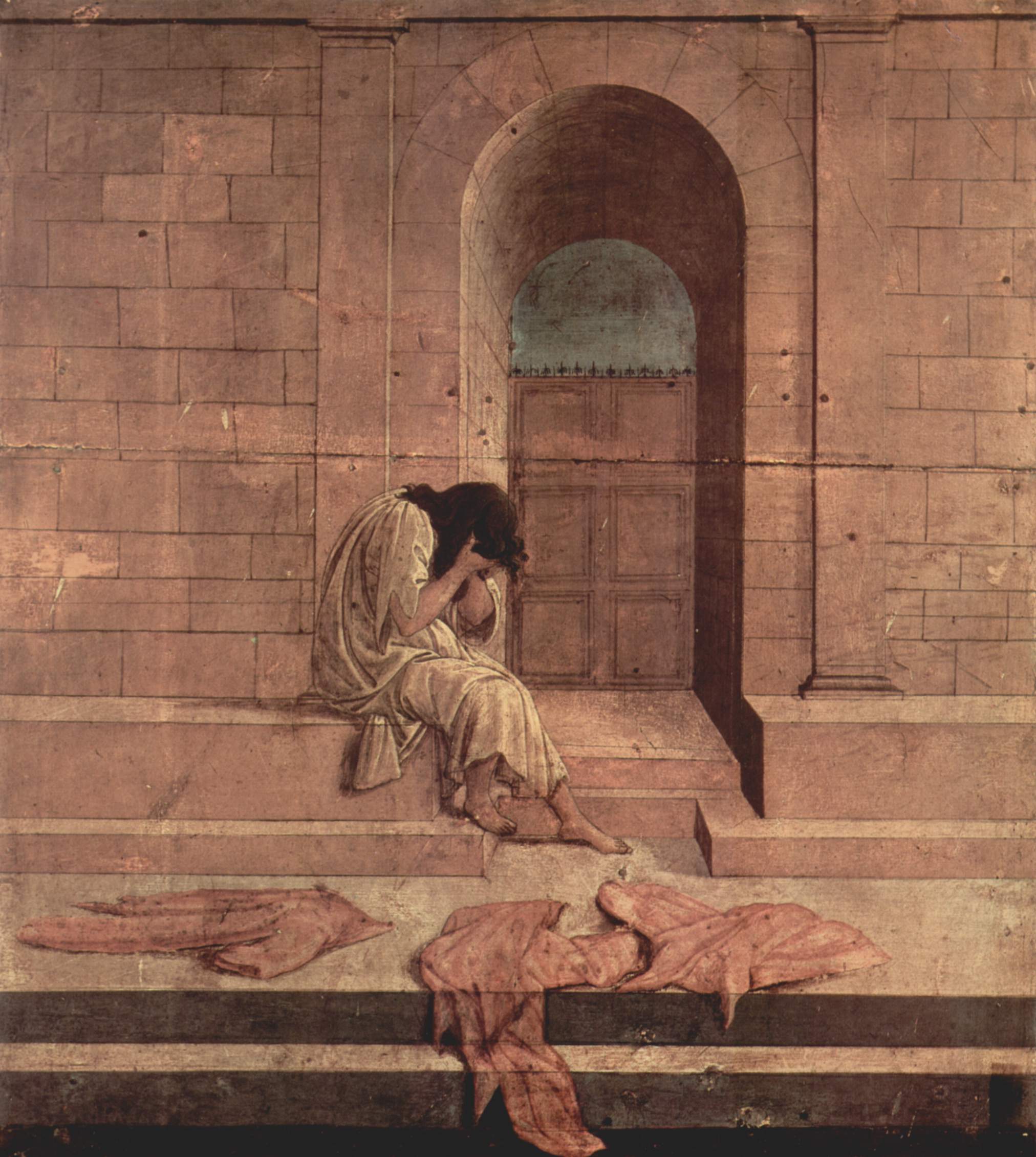 The outcast
1496
The outcast
1496
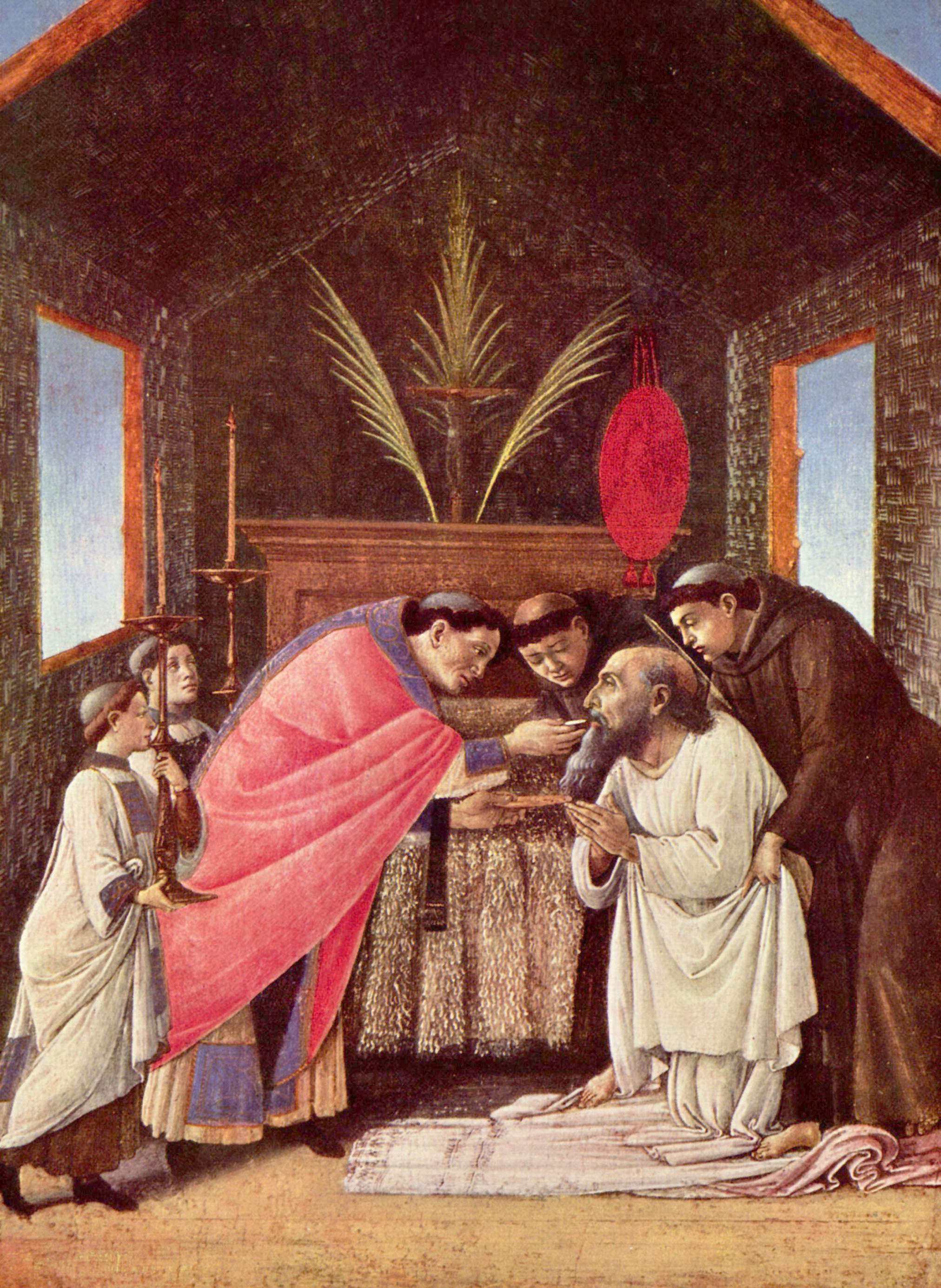 Last Communion of St Jerome
1495
Last Communion of St Jerome
1495
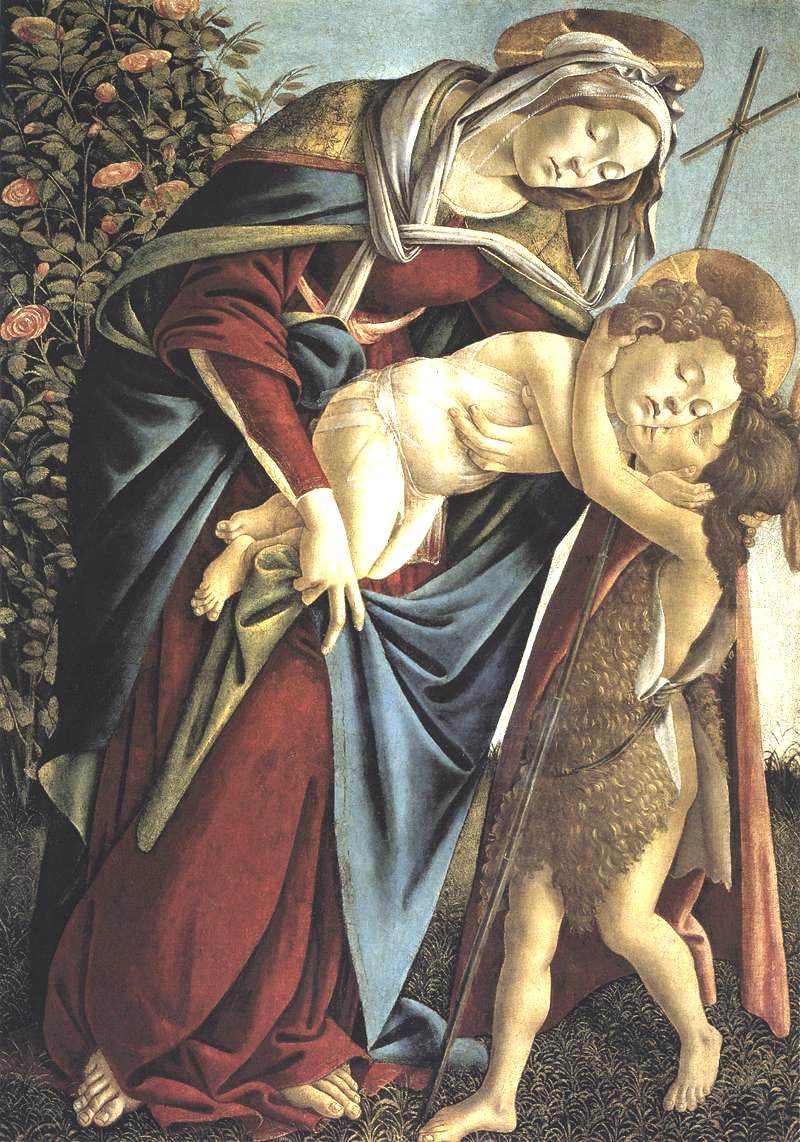 Madonna and Child and the Young St John the Baptist
1495
Madonna and Child and the Young St John the Baptist
1495
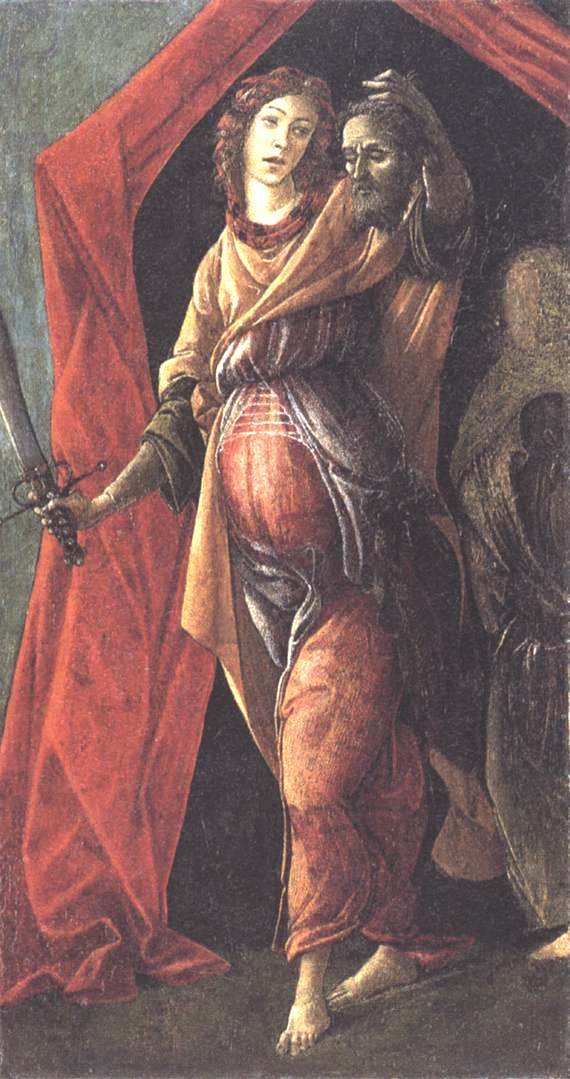 Judith Leaving the Tent of Holofernes
1495
Judith Leaving the Tent of Holofernes
1495