Pablo Picasso
Cubismo SurrealismoBiografia
Pablo Picasso was the most dominant and influential artist of the 1st half of the 20th century. Associated most of all with pioneering Cubism, he also invented collage and made major contribution to Surrealism. He saw himself above all as a painter, yet his sculpture was greatly influential, and he also explored areas as diverse as printmaking and ceramics. Finally, he was a famously charismatic personality, the leading figure in the Ecole de Paris. His many relationships with women not only filtered into his art but also may have directed its course, and his behavior has come to embody that of the bohemian modern artist in the popular imagination. Picasso rejected Matisse's view of the primary importance and role of colour, and focused instead on new pictorial ways of representing form and space. Influenced by novelties of Cézanne, and also by African sculpture and ancient Iberian art, he started to lend his figures more structure, and to deconstruct the conventions of perspective that had dominated painting since the Renaissance. This led him (alongside with Georges Braque) to evolve an entirely new Cubist movement, which rapidly became the cutting edge of modern art. At the same time, Picasso himself rejected the label Cubism, especially when critics began to differentiate between the two key approaches he pursued - Analytic and Synthetic. In the 1920s and 1930s Picasso adopted a neoclassical figurative style. As he matured he worked on his own versions of canonical masterpieces by artists such as Poussin, Ingres, Velazquez, Goya, Rembrandt, and El Greco. Picasso's influence was profound and far-reaching for most of his life. His work in pioneering Cubism established a set of pictorial problems, devices, and approaches, which remained important well into the 1950s. The Museum of Modern Art in New York (MoMA) has been called the house that Pablo built, because it has so widely exhibited the artist's work. Picasso created some of the greatest 20th century paintings, several of which have achieved iconic status (Les Demoiselles d'Avignon, Guernica, Weeping Woman).
Obras no acervo
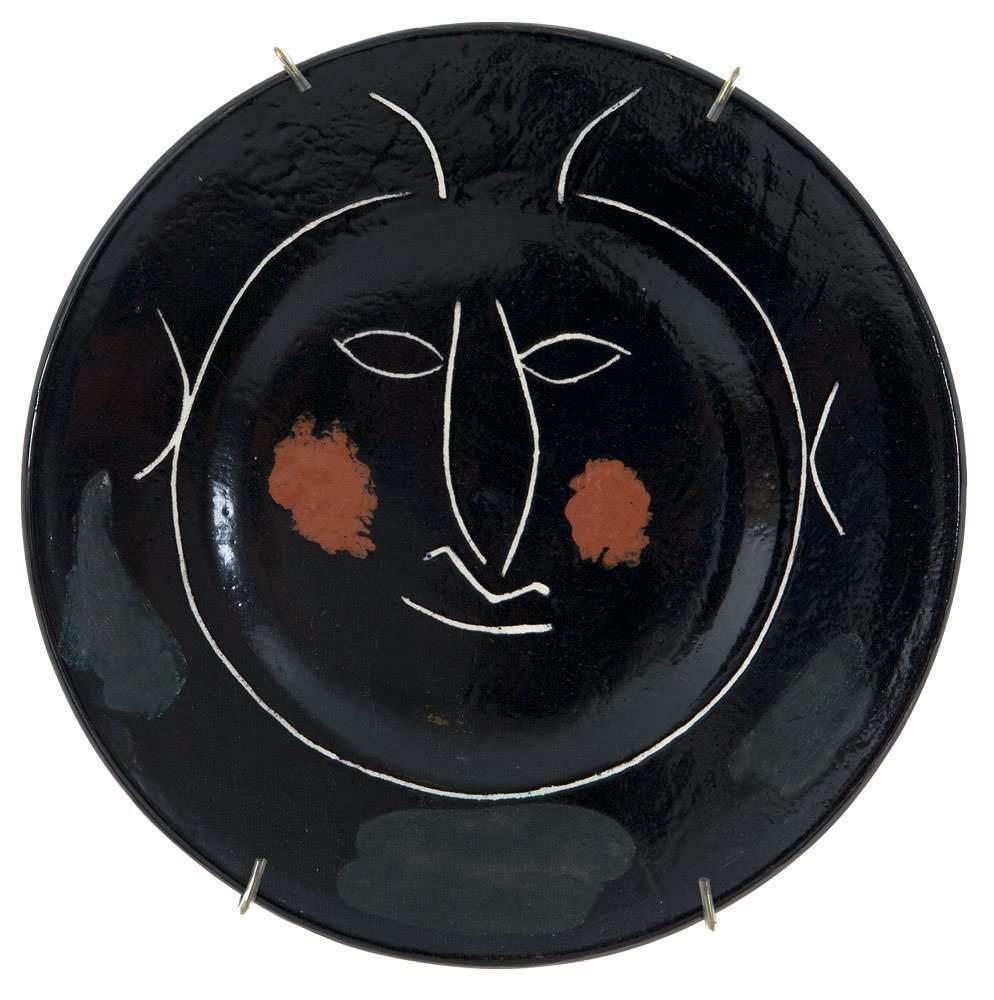 Service Visage Noir (A.R. 43)
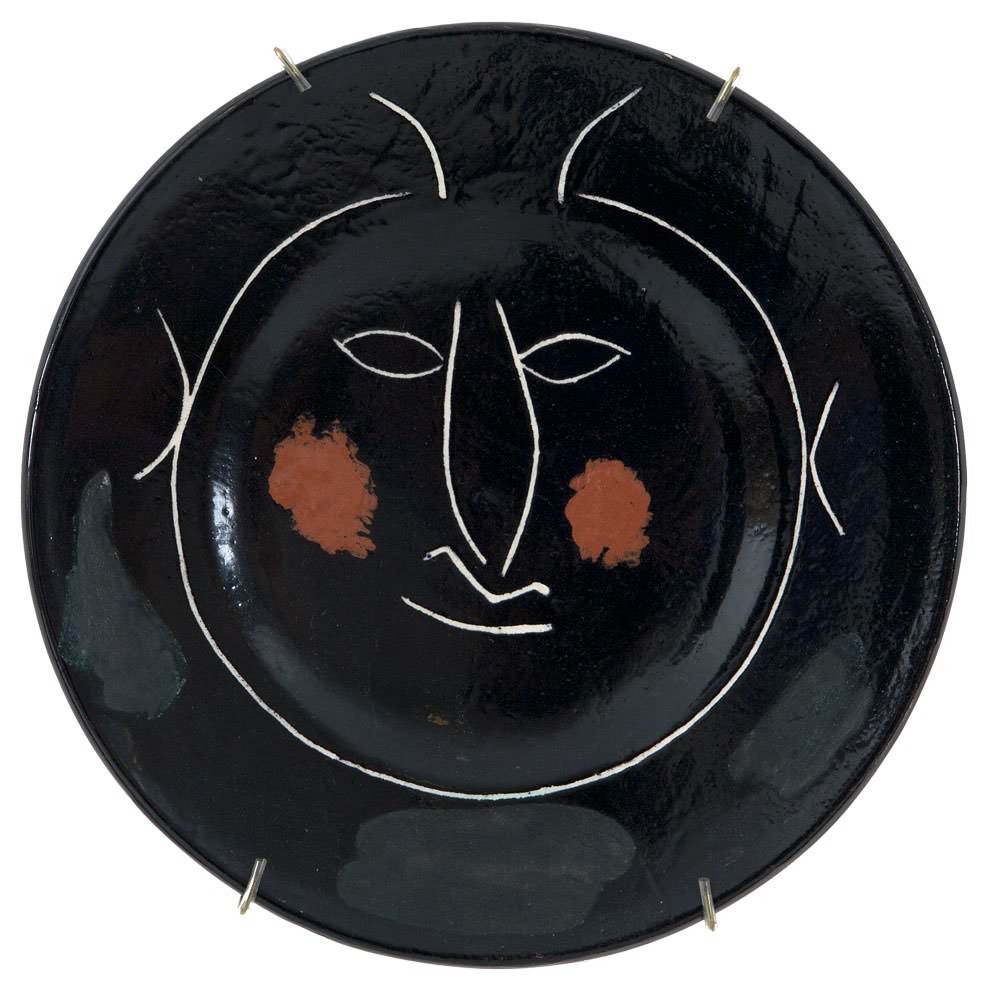 Service Visage Noir (A.R. 43)
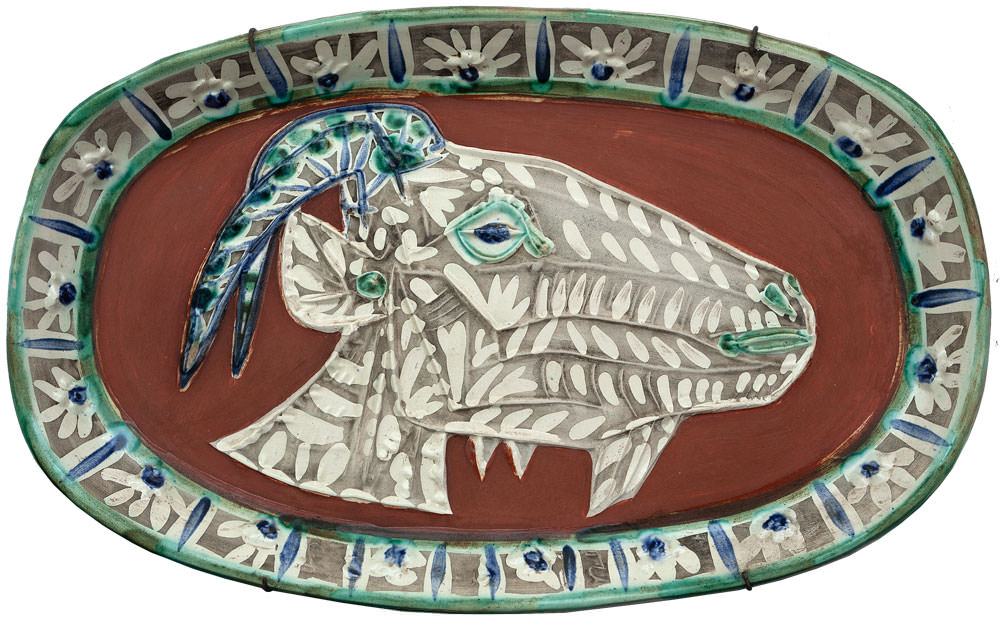 Bode (Travessa)
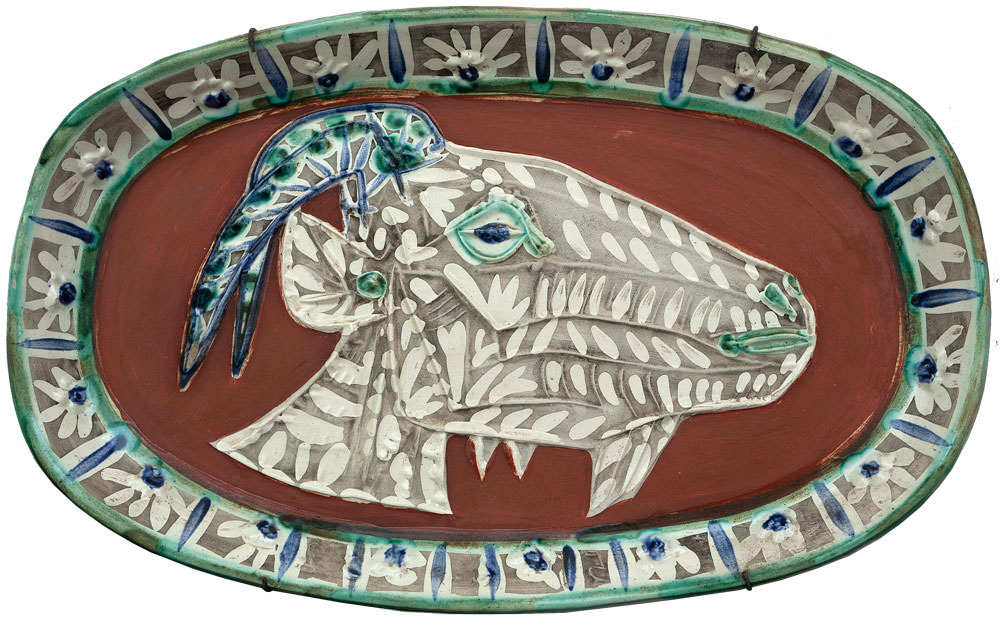 Bode (Travessa)
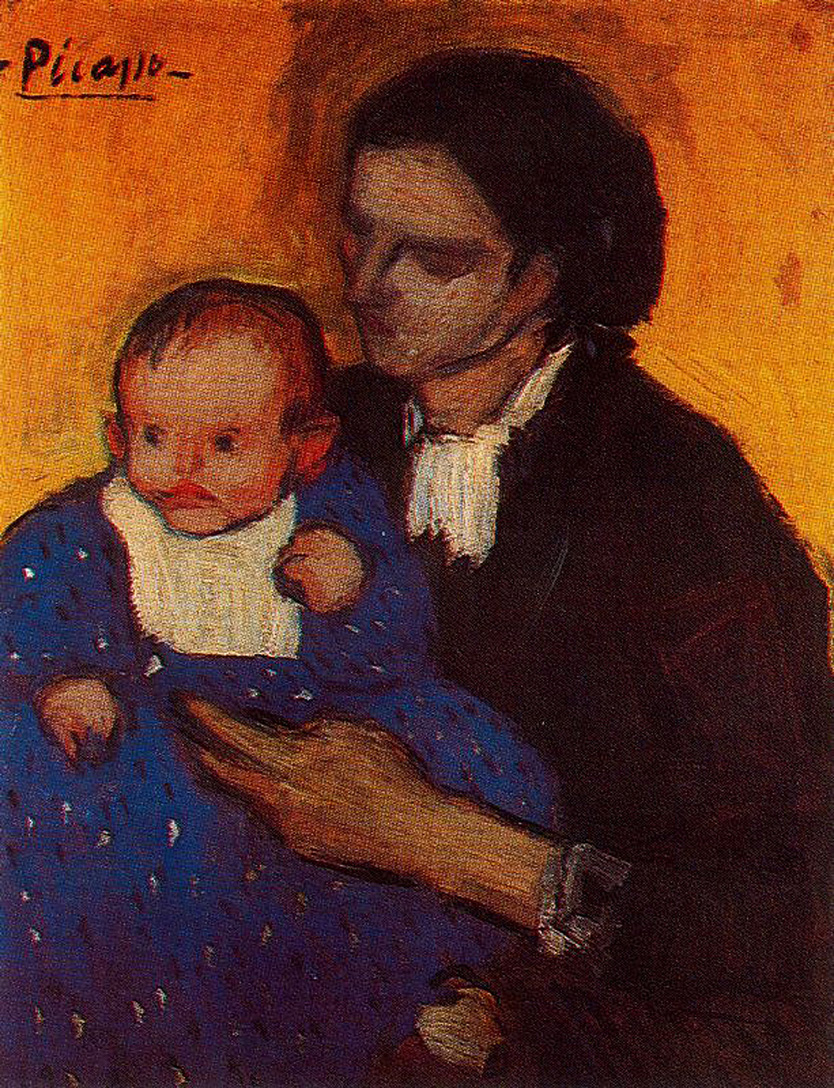 Woman with child
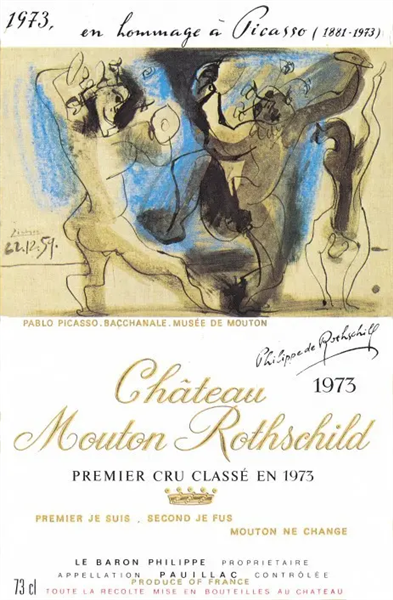 Chateau Mouton Rothschild
1973
Chateau Mouton Rothschild
1973
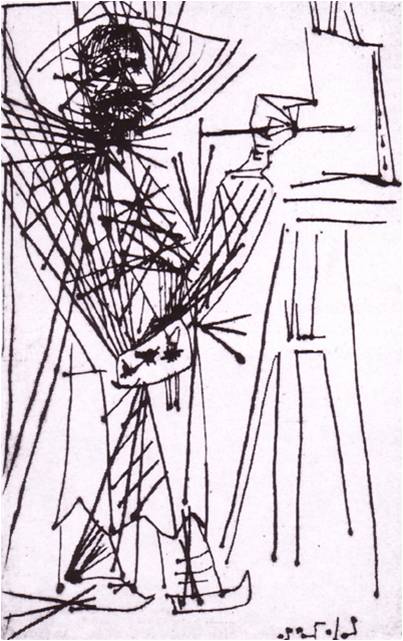 Niko Pirosmani
1972
Niko Pirosmani
1972
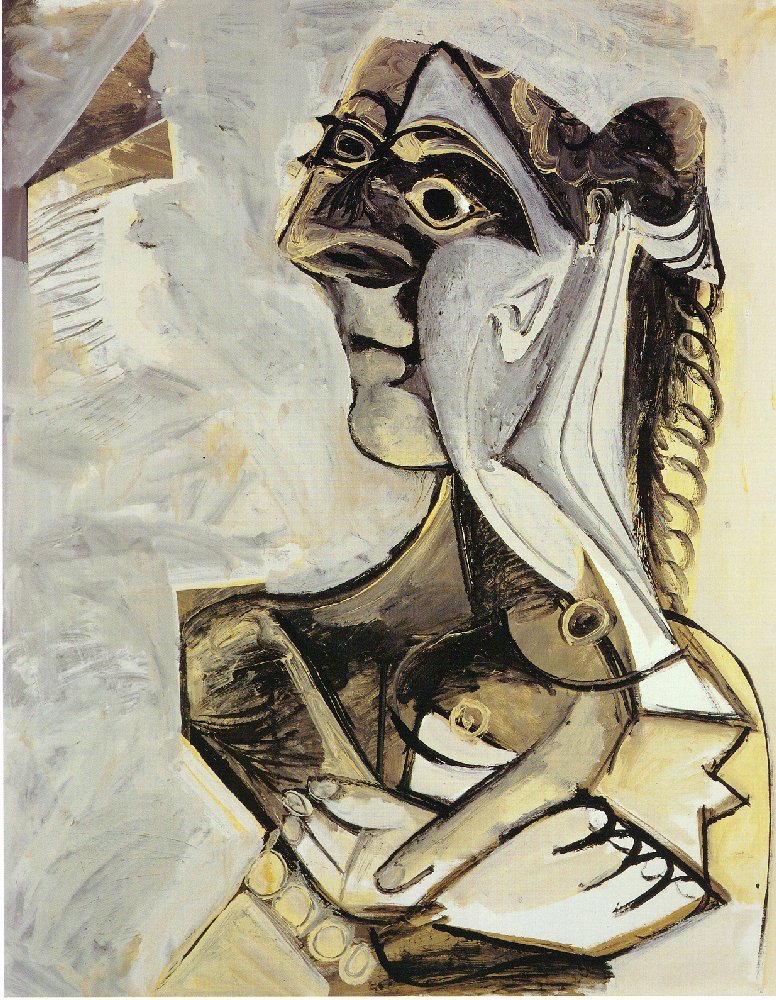 Woman with braid
1971
Woman with braid
1971
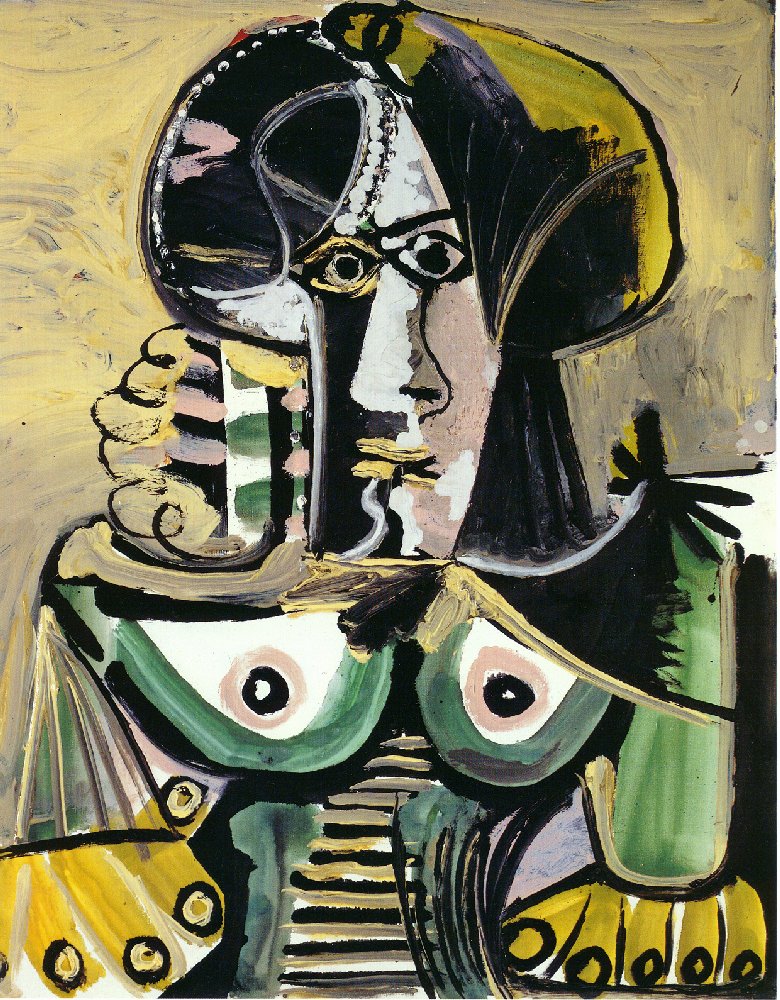 Bust of woman
1971
Bust of woman
1971
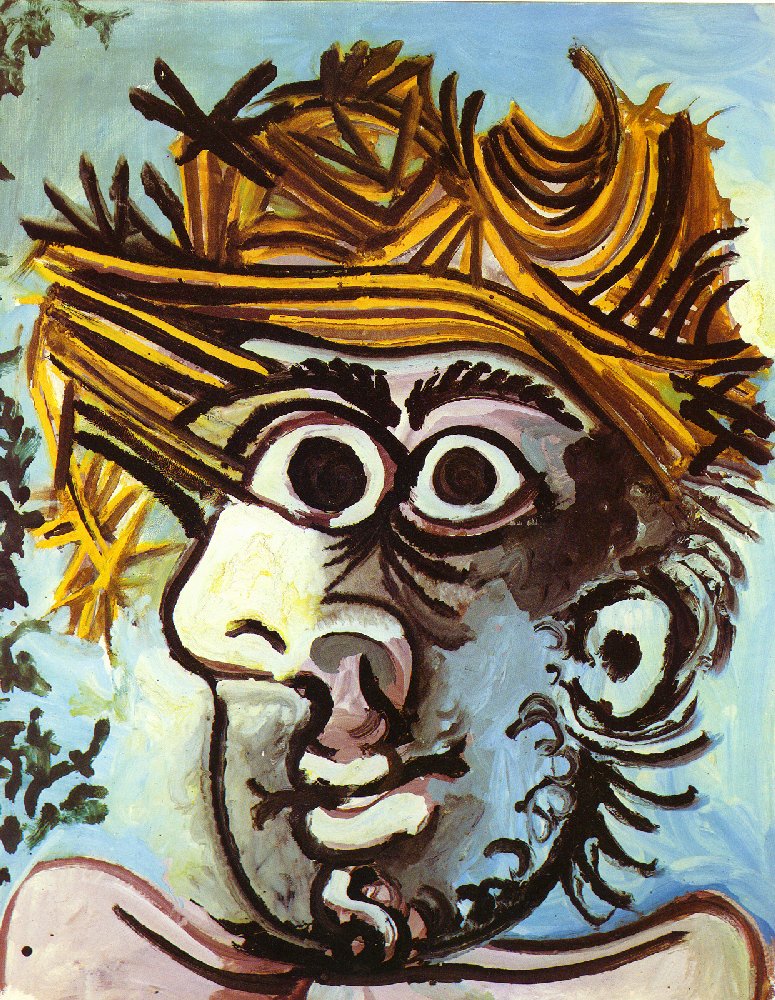 Head of a man with straw hat
1971
Head of a man with straw hat
1971
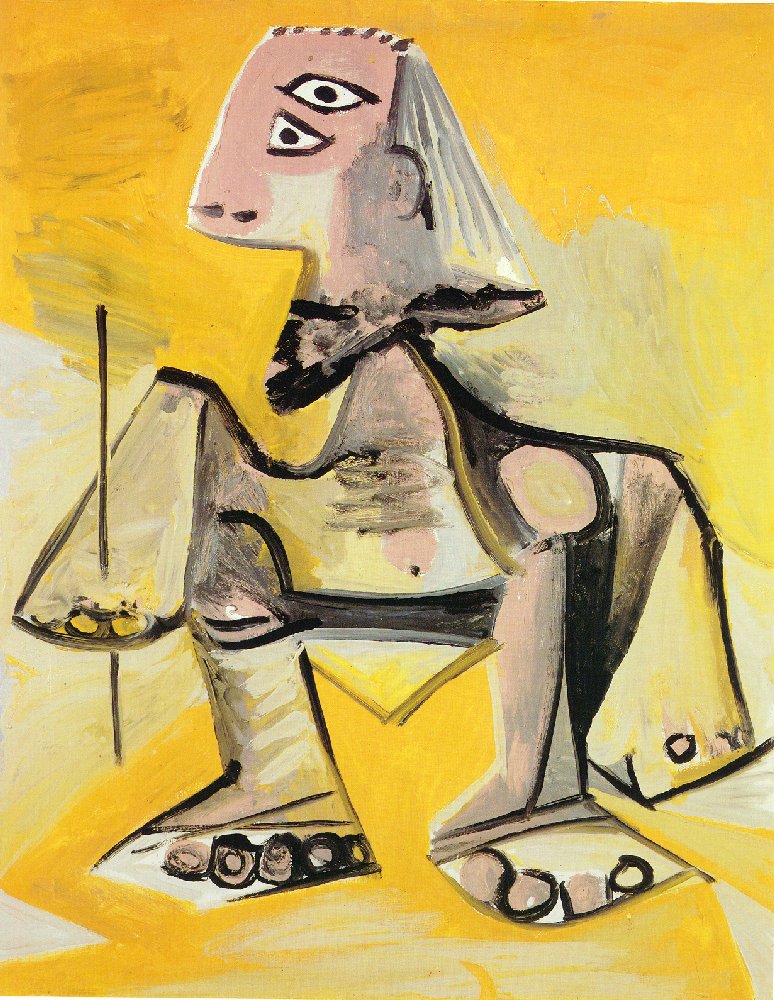 Crouching man
1971
Crouching man
1971
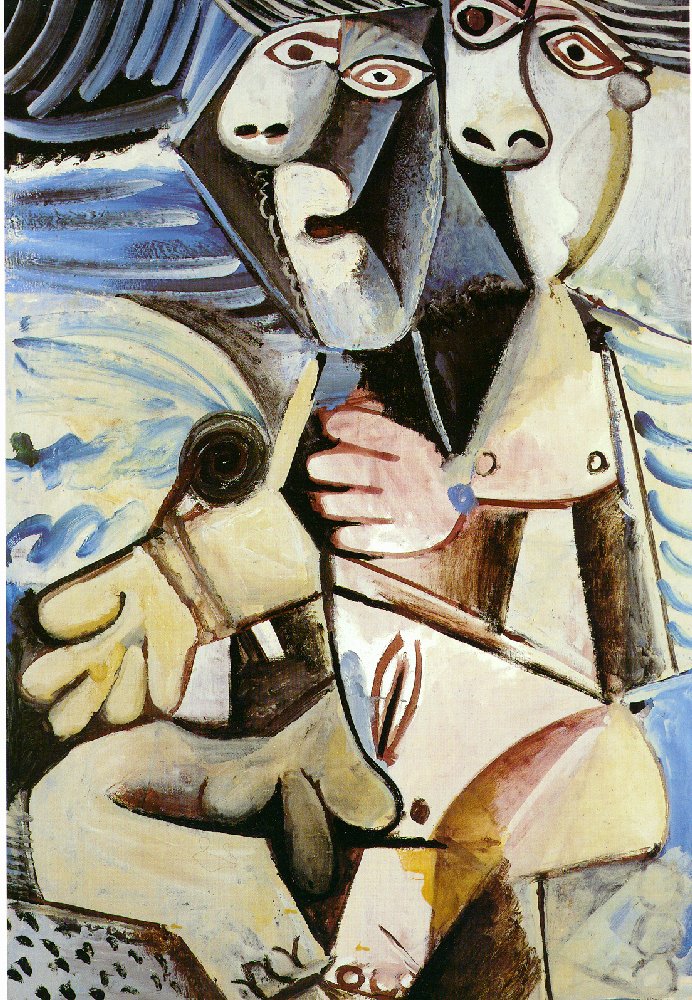 Embrace
1971
Embrace
1971
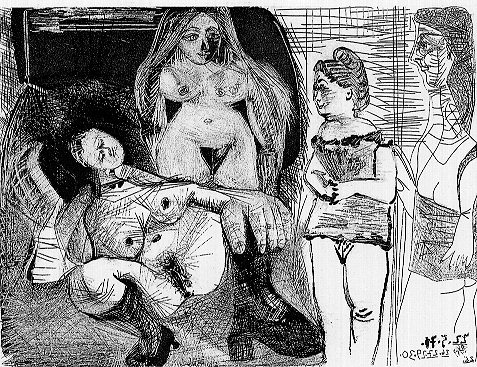 Untitled
1971
Untitled
1971
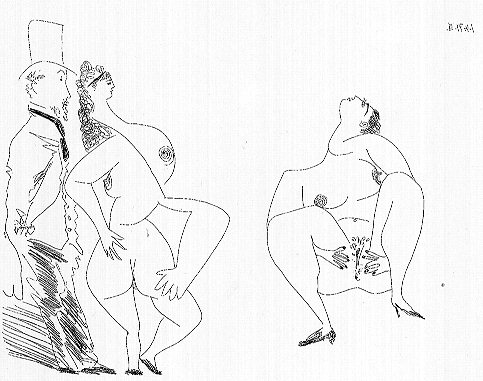 Untitled
1971
Untitled
1971
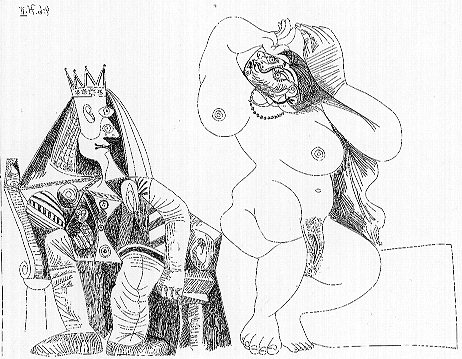 Untitled
1971
Untitled
1971
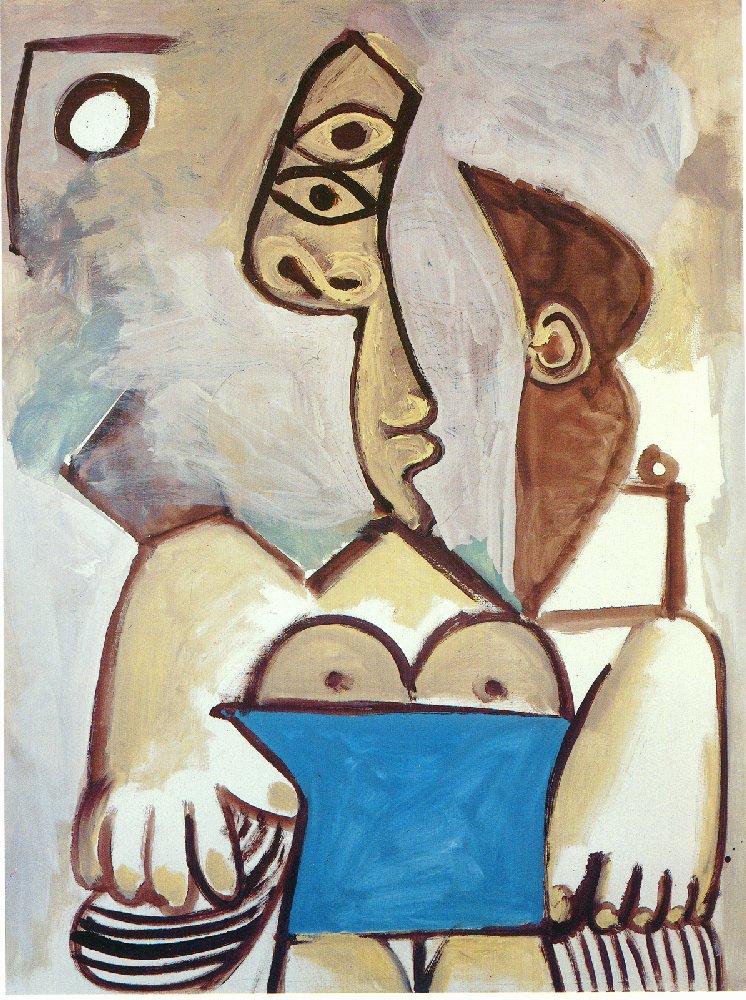 Seated woman
1971
Seated woman
1971
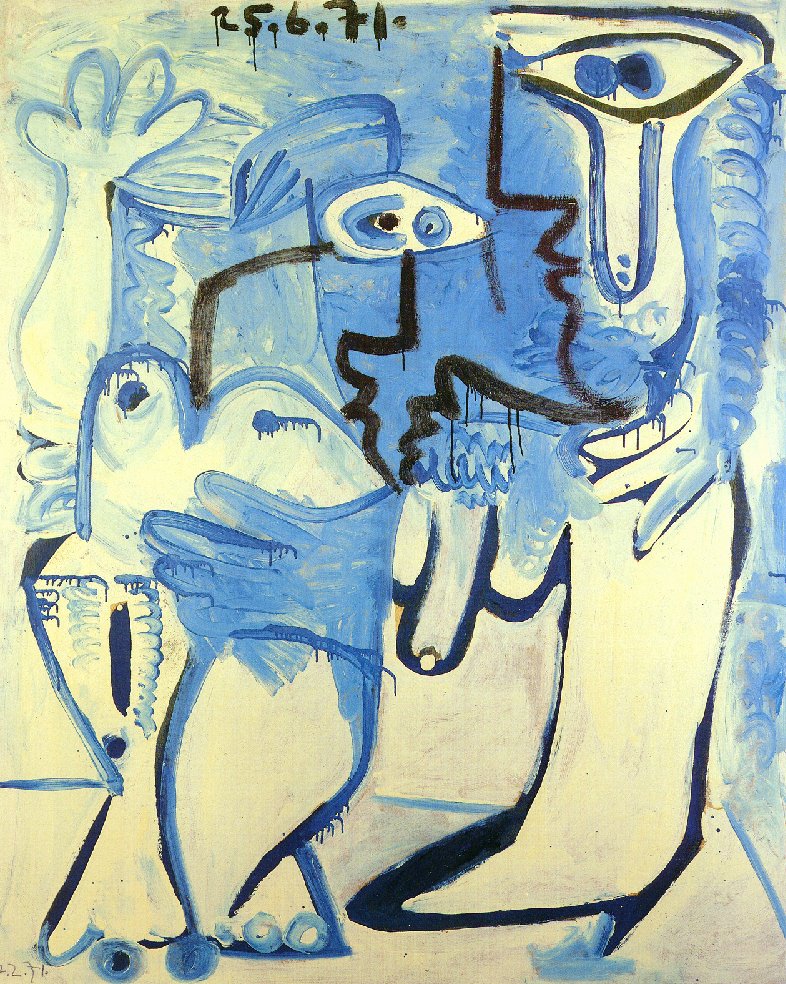 Man and Woman
1971
Man and Woman
1971
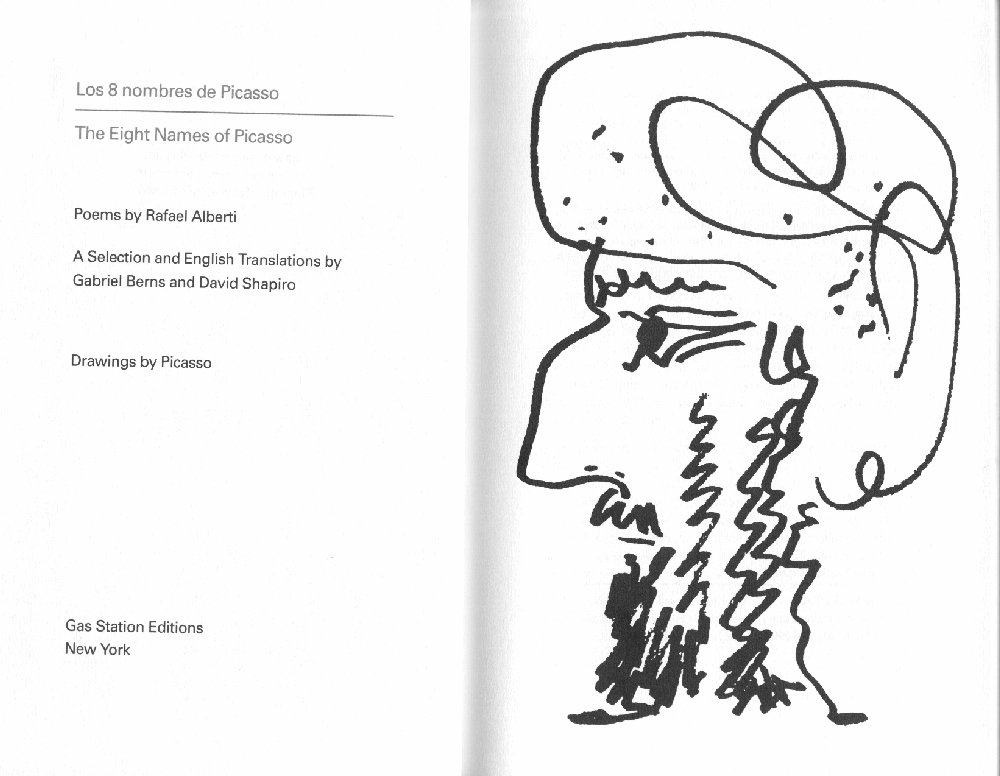 The eight names of Picasso
1970
The eight names of Picasso
1970
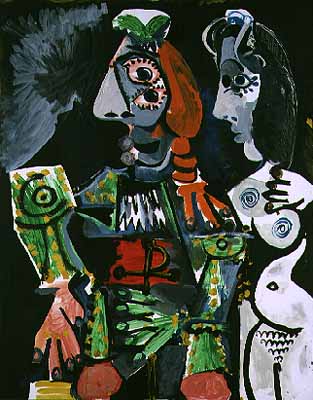 Matador and female nude
1970
Matador and female nude
1970
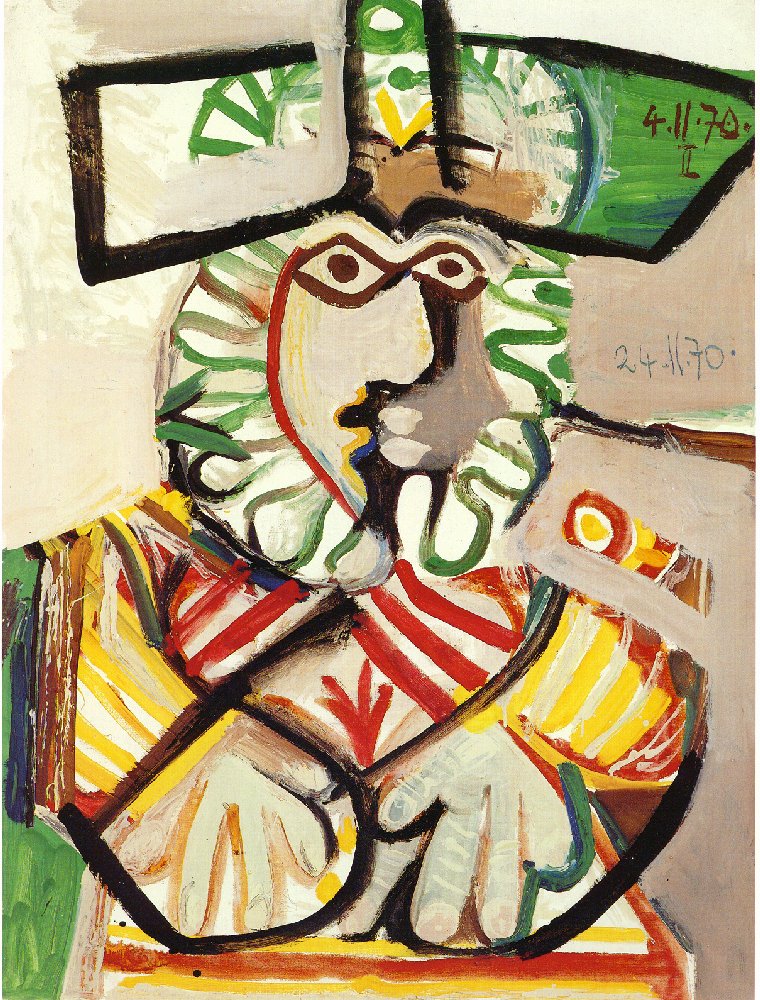 Musketeer
1970
Musketeer
1970
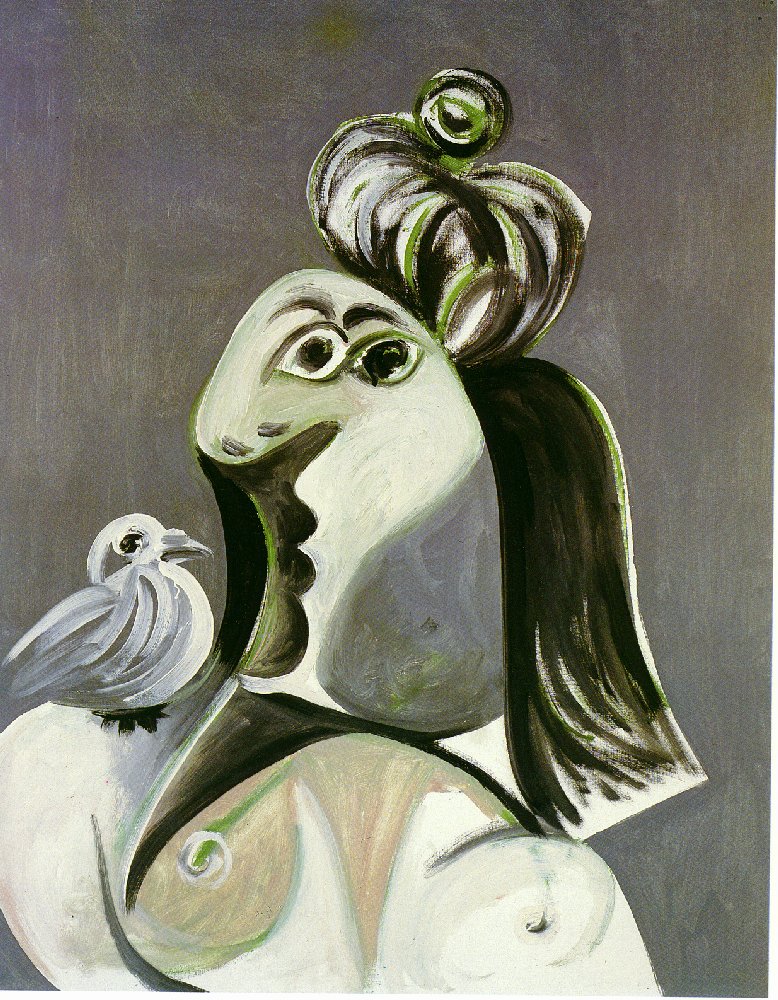 Woman with bird
1970
Woman with bird
1970
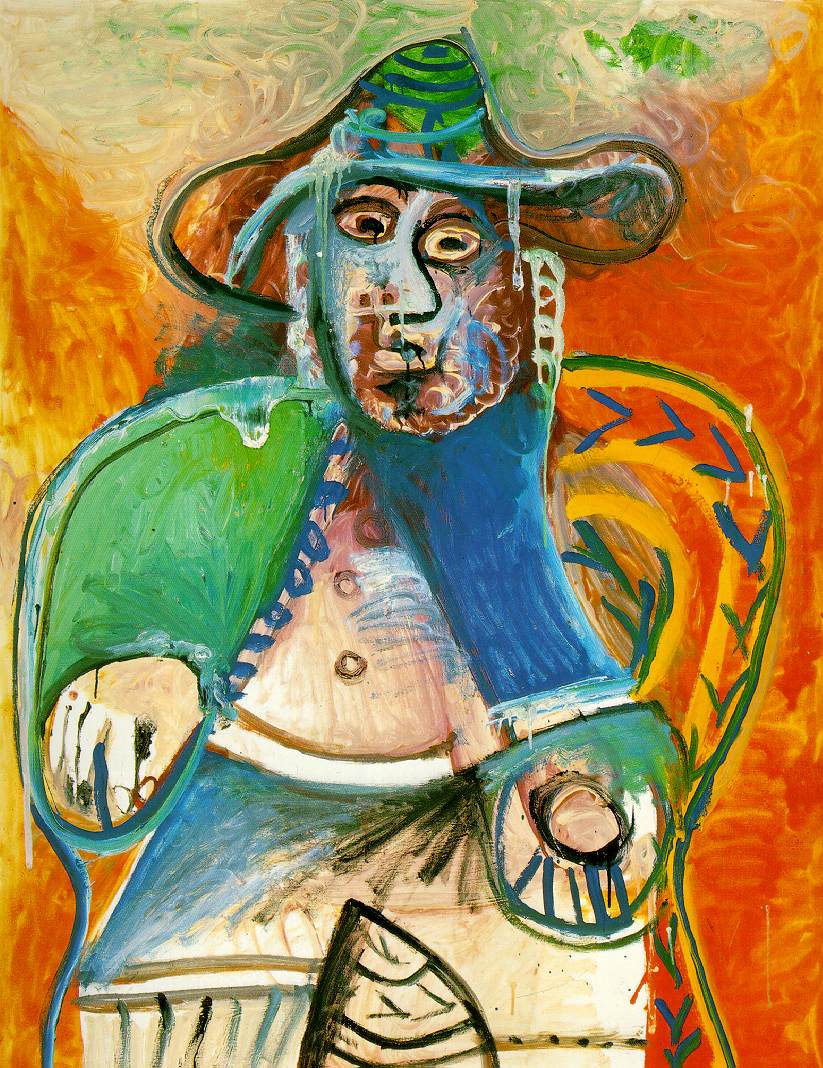 Seated old man
1970
Seated old man
1970
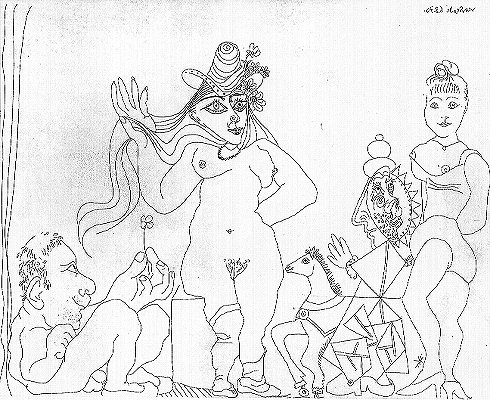 Untitled
1970
Untitled
1970
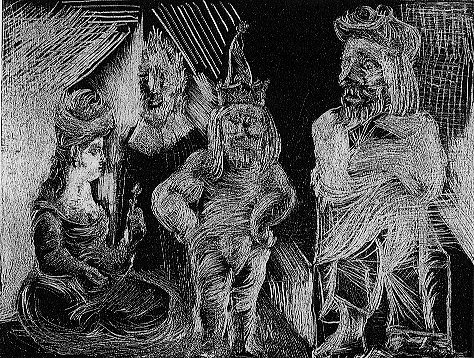 Untitled
1970
Untitled
1970